


































- Real-time energy monitoring through IIoT gives manufacturers and industrial operators granular visibility into where, when, and how energy is consumed — translating directly into cost savings and sustainability improvements.
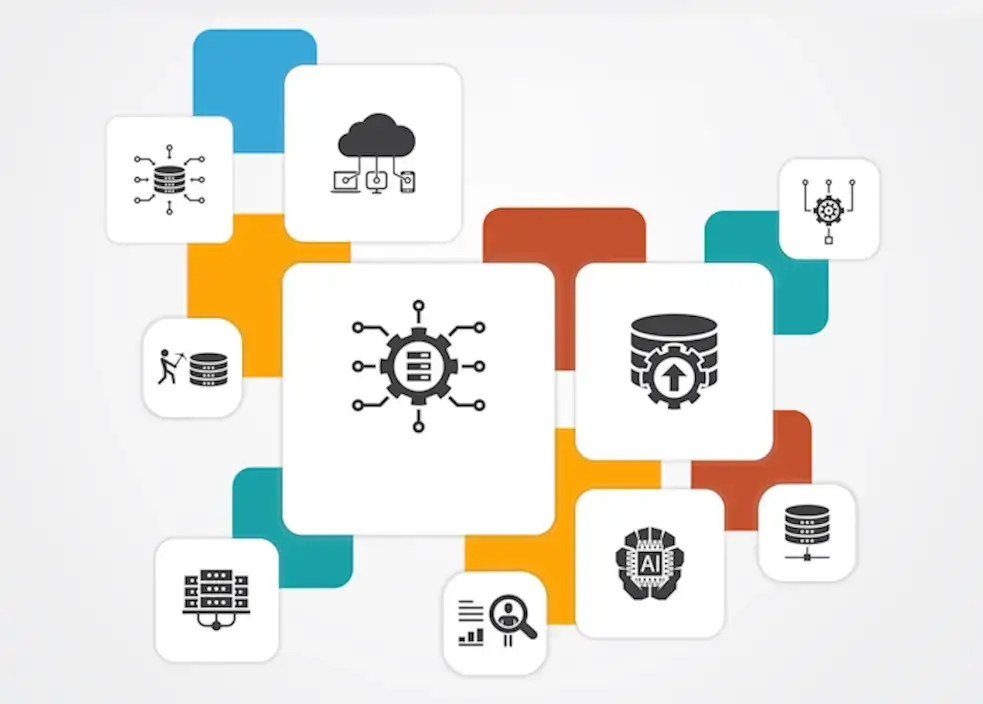
- The architecture spans six key layers: sensors (smart meters, current transformers, power quality sensors), edge devices, communication networks, cloud platforms, analytics and visualization tools, and security/management systems.
- Smart meters, current transformers, and environmental sensors installed on machinery, HVAC, transformers, and lighting capture continuous data at configurable sampling rates, forming the raw foundation of any energy monitoring system.
- Edge processing handles real-time filtering and initial anomaly detection close to the data source, reducing the bandwidth and latency costs of sending everything to the cloud — especially important in large industrial facilities.
- Best practices include choosing industrial-grade certified sensors, designing modular cloud architecture using services like Azure Stream Analytics and Power BI, and embedding security at every layer from device authentication to encrypted data transmission.
Why Real-Time Energy Monitoring Matters in Industrial IoT
If you’re in manufacturing, utilities, or any heavy industry, you know energy costs can eat up a huge chunk of your budget. And with rising energy prices and sustainability goals, companies are hunting for smarter ways to track and manage energy consumption. That’s where Industrial IoT (IIoT) energy monitoring steps in as a game changer.
By using connected sensors and smart analytics, IIoT lets you see exactly where, when, and how energy is being used in real-time. This data helps you spot inefficiencies, reduce waste, and make smarter decisions — all leading to big savings and a greener footprint.
But to make this happen, you need the right technical foundation — a solid IIoT architecture designed specifically for real-time energy monitoring.
In this post, we’ll break down the components of an IIoT energy monitoring system, discuss how they work together, and share best practices for building scalable, secure, and efficient solutions.
What Does an IIoT Energy Monitoring Architecture Look Like?
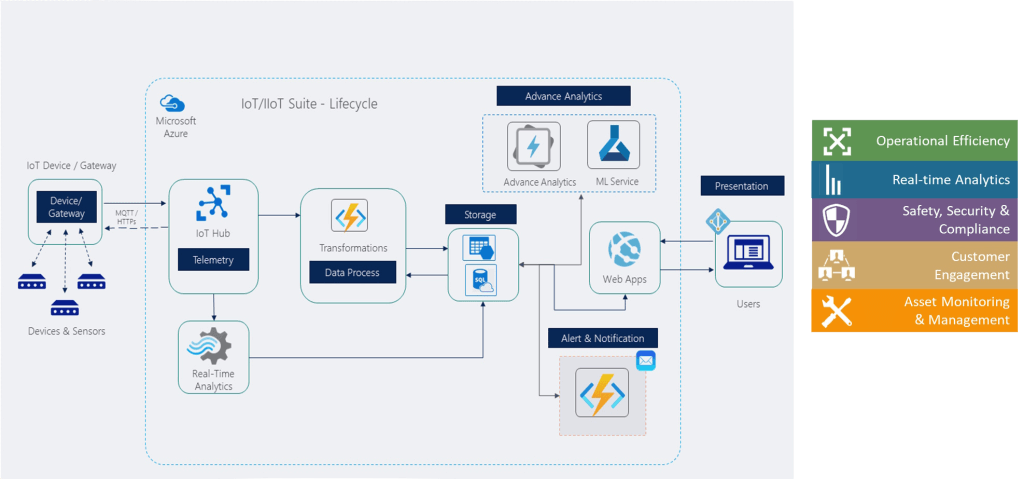
At a high level, your IIoT energy monitoring system consists of these key layers:
 Sensor
Edge
Communication
Cloud Platform & Data Storage
Analytics and Visualization
Security and Management
Sensor
Edge
Communication
Cloud Platform & Data Storage
Analytics and Visualization
Security and ManagementLet’s dive into each.

Sensor: Capturing Energy Data at the Source
The foundation of any energy monitoring solution is the data — and that starts with sensors.
What Sensors Are Commonly Used?
Smart Meters
Current Transformers (CTs)
Voltage Sensors
Power Quality Sensors
Environmental SensorsThese sensors are installed on machinery, transformers, HVAC systems, lighting, and more — wherever you want detailed energy insight.
Key Considerations:
Accuracy
Sampling Rate
Scalability
Edge: Processing Data Close to the Source
Once sensors capture data, it often makes sense to process some of it locally — at the edge — before sending it to the cloud.
Why Use Edge Computing?
 Lower Latency
Reduced Bandwidth
Improved Reliability
Lower Latency
Reduced Bandwidth
Improved ReliabilityWhat Does the Edge Layer Include?
Edge Gateways
Local Compute
Protocol TranslationFor example, a factory floor might have edge gateways aggregating data from dozens of sensors, running anomaly detection models locally to flag unusual energy spikes.

Communication: Connecting Devices to the Cloud
This layer enables secure, reliable data transmission from edge devices to the cloud or data centers.
Common Communication Protocols and Technologies:
Wired
WirelessSecurity is Critical: Data encryption, device authentication, and network segmentation protect sensitive energy data during transit.

Cloud Platform & Data Storage: Centralizing Energy Data
The cloud is where all that raw energy data is stored, managed, and prepared for analysis.
Popular cloud platforms supporting IIoT energy monitoring include:
Amazon Web Services (AWS) IoT
Google Cloud IoTThese platforms provide:
Scalable storage to handle massive volumes of sensor data.
Device management to monitor and update connected devices remotely.
Data ingestion services that handle various data formats and streaming frequencies.
Analytics and Visualization: Turning Data into Actionable Insights
This is where the magic happens — transforming raw data into dashboards, alerts, and predictive insights.
Typical Capabilities:
Real-time dashboards showing energy consumption by machine, shift, or location.
Anomaly detection to spot unusual energy usage patterns indicating faults or inefficiencies.
Predictive analytics to forecast energy demand and plan maintenance schedules.
Automated alerts sent via SMS, email, or apps to notify operators of issues.Visualization tools like Power BI, Tableau, or cloud-native options help stakeholders digest complex data and make informed decisions fast.

Security and Management: Keeping Your IIoT System Safe and Reliable
Security is non-negotiable when dealing with critical infrastructure data.
Key Security Measures:
Device authentication and authorization to prevent unauthorized access.
Data encryption in transit and at rest.
Network security including VPNs, firewalls, and intrusion detection systems.
Regular patching and firmware updates for all devices.Additionally, management platforms provide device health monitoring, logging, and auditing tools to ensure system integrity.
Best Practices for Designing an IIoT Energy Monitoring Architecture
 Start small, scale fast
Prioritize interoperability
Invest in edge intelligence
Plan for data lifecycle
Ensure cybersecurity from day one
Start small, scale fast
Prioritize interoperability
Invest in edge intelligence
Plan for data lifecycle
Ensure cybersecurity from day oneUnlocking Industrial Energy Efficiency with IIoT
Building a robust IIoT architecture for real-time energy monitoring is foundational for any industrial company looking to cut energy costs and improve operational efficiency. By carefully selecting sensors, leveraging edge computing, ensuring secure communications, and harnessing cloud analytics, you can gain unprecedented insight into your energy use — and drive smart, data-driven decisions.
At Infysion, we specialize in designing and deploying custom IIoT architectures tailored to your unique industrial needs. Whether you’re starting your energy monitoring journey or looking to upgrade an existing system, we’re here to help you build scalable, secure, and future-ready IoT solutions.