








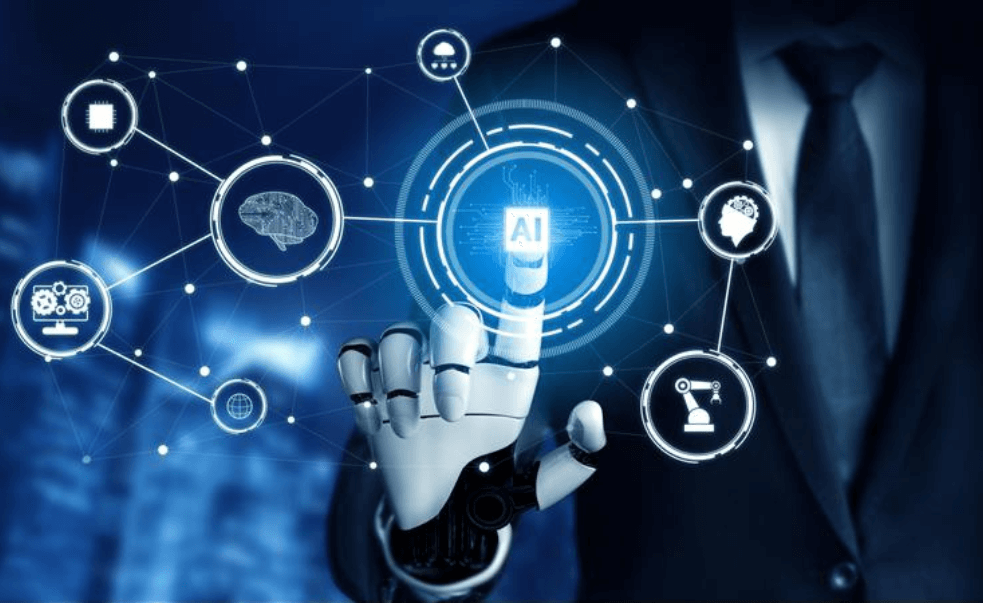
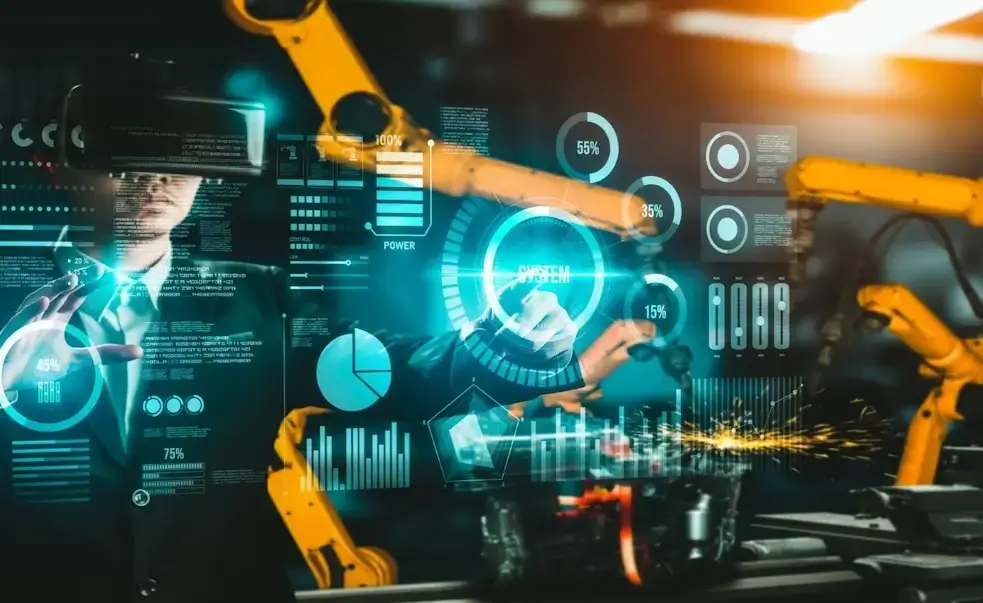
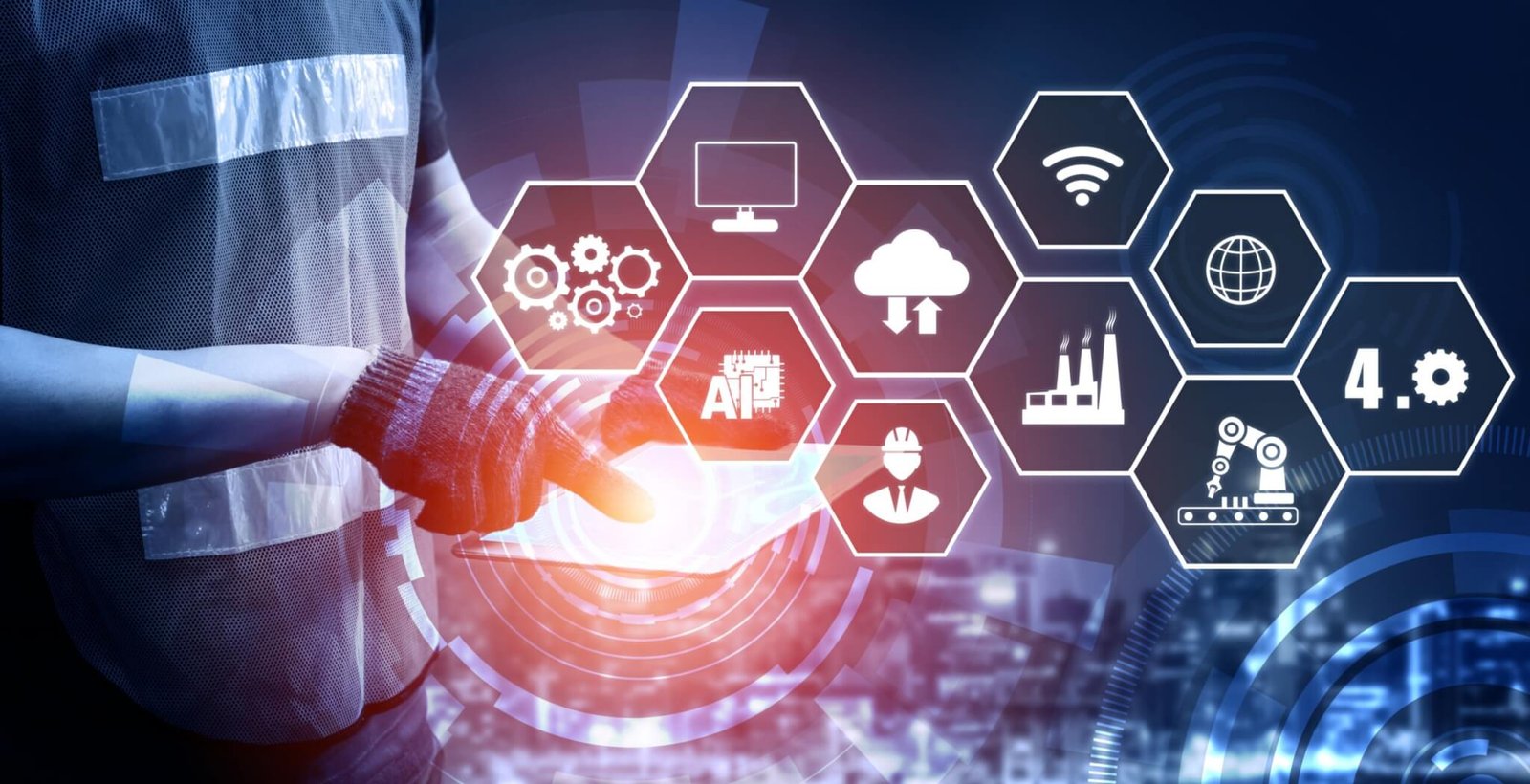
















- The fusion of AI and IoT — known as AIoT — transforms connected devices from passive data collectors into intelligent systems capable of predicting failures, automating decisions, and personalizing experiences in real time.
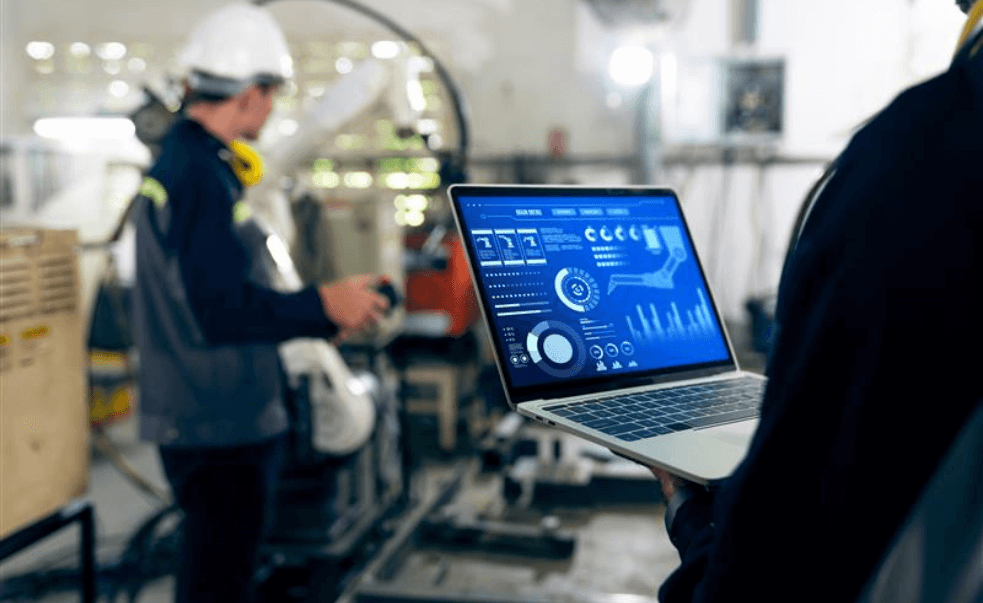
- Predictive maintenance is one of the highest-value applications, with AI models analyzing vibration, temperature, and acoustic sensor data to catch equipment degradation before it causes downtime — delivering up to 30% reductions in unplanned failures.
- AI-powered anomaly detection continuously scans IoT data streams for unusual patterns that may indicate cyber threats, sensor drift, or safety hazards — triggering automated responses before thresholds are crossed.
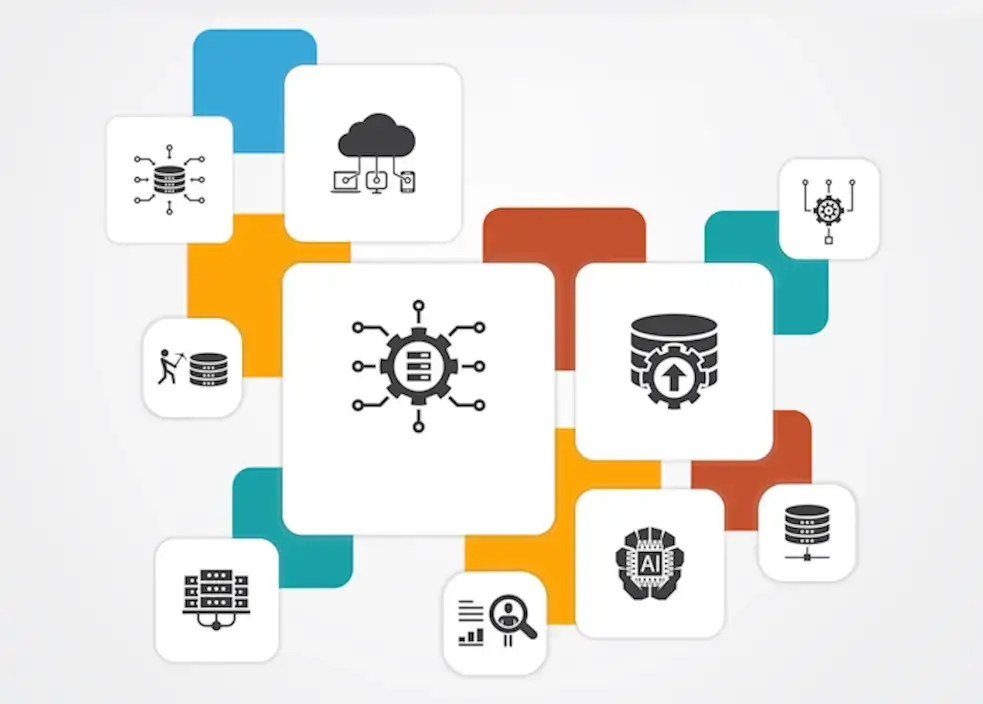
- The reference architecture spans four layers — device, communication, edge, and cloud — with platforms like Azure IoT Hub, Azure ML, and AWS SageMaker handling everything from device management to model training and real-time stream analytics.
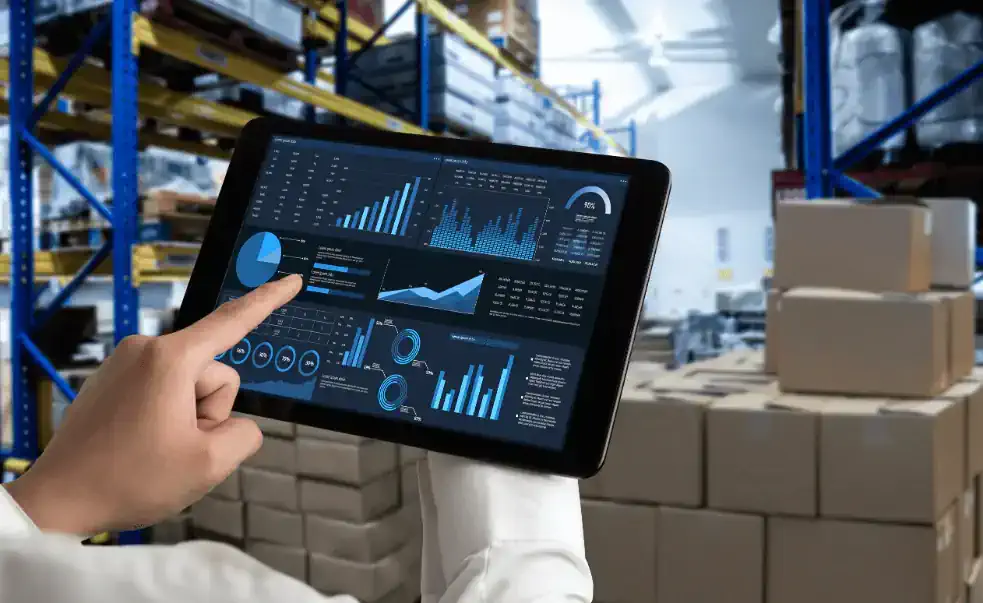
- Best practices for AIoT adoption include starting with a focused pilot use case, automating model retraining pipelines, prioritizing data quality, and designing intuitive dashboards that translate AI outputs into clear operational actions.
In today’s connected world, the Internet of Things (IoT) is generating massive volumes of data from sensors, devices, and machines. But data alone isn’t enough. To truly unlock value, businesses must harness Artificial Intelligence (AI) and Machine Learning (ML) to analyze, interpret, and act on this data in real-time.
This fusion, often called AIoT (Artificial Intelligence of Things), transforms IoT solutions from passive data collectors into smart systems capable of predicting failures, optimizing processes, enhancing user experiences, and automating decisions.
In this comprehensive blog, we’ll dive deep into:
 Core benefits and use cases of AI-empowered IoT applications
What happens when AI meets IoT
technical reference architecture for integrating AI/ML with IoT
How to select the right tools and platforms
Best practices and challenges for success
Core benefits and use cases of AI-empowered IoT applications
What happens when AI meets IoT
technical reference architecture for integrating AI/ML with IoT
How to select the right tools and platforms
Best practices and challenges for successLet’s start by understanding the powerful synergy between AI, ML, and IoT.
Why Integrate AI and Machine Learning with IoT?
IoT devices produce huge amounts of data, often in the form of streams from sensors monitoring temperature, pressure, motion, vibration, sound, images, and more. This raw data by itself is overwhelming and hard to interpret. AI and ML algorithms analyze this data, learn patterns, and provide actionable insights.
Here’s what happens:
 IoT acts as the data pipeline
AI/ML processes the data
Smart decisions happen
IoT acts as the data pipeline
AI/ML processes the data
Smart decisions happenThis synergy enables applications like predictive maintenance, anomaly detection, smart automation, and personalized experiences that drive efficiency and innovation.
Core Benefits of AI-Enabled IoT Applications
 Predictive Maintenance
Traditional maintenance schedules are either reactive (fix after failure) or preventive (fix at regular intervals), both of which can be costly or inefficient. AI and ML models analyze sensor data such as vibration, temperature, and acoustics to detect early warning signs of equipment degradation.
By predicting failures before they happen, businesses reduce downtime, extend asset lifespan, and save on maintenance costs.
Anomaly Detection and Enhanced SecurityAI models excel at detecting outliers or anomalies in data streams that may indicate faults, cyber-attacks, or environmental hazards.
For example, AI can:
Identify unusual network traffic patterns indicating a security breach
Detect sensor drift or hardware malfunctions
Trigger automated responses before safety thresholds are crossedThis proactive approach greatly improves the reliability and safety of IoT deployments.
Intelligent Automation and ControlAI-powered IoT systems can automate complex tasks and real-time controls without human intervention. Examples include:
Smart grids automatically adjusting energy flow based on demand predictions
Industrial robots coordinating tasks dynamically on the factory floor
Smart buildings optimizing HVAC and lighting using occupancy and weather dataThis reduces manual effort, improves efficiency, and enables new levels of operational agility.
Personalized User ExperiencesAI enables IoT devices to learn user behavior and preferences to provide tailored experiences.
Wearables track fitness data and suggest personalized workouts; smart home systems adjust settings based on habits; connected vehicles optimize routes using real-time traffic and driver behavior analysis.
This user-centric intelligence drives higher engagement and satisfaction.
Technical Reference Architecture for AI and ML Integrated IoT Applications
Understanding the architecture helps bridge the gap between theory and practical implementation. Below is a high-level reference architecture showcasing how AI and ML fit into an IoT ecosystem:
 Device Layer
Sensors and Actuators: Devices that collect data (temperature, vibration, image) or perform actions (valve control, alarms).
Edge Devices: Gateways or edge servers equipped with computing power to preprocess data and run lightweight ML inference models.
Device Layer
Sensors and Actuators: Devices that collect data (temperature, vibration, image) or perform actions (valve control, alarms).
Edge Devices: Gateways or edge servers equipped with computing power to preprocess data and run lightweight ML inference models. Communication Layer
Protocols: MQTT, AMQP, HTTP, CoAP for secure, reliable transmission of data.
Network: Wired/Wireless (Wi-Fi, LTE, 5G) connectivity connecting devices to edge and cloud.
Communication Layer
Protocols: MQTT, AMQP, HTTP, CoAP for secure, reliable transmission of data.
Network: Wired/Wireless (Wi-Fi, LTE, 5G) connectivity connecting devices to edge and cloud. Edge Processing Layer
Edge Analytics: Real-time data filtering, aggregation, and initial anomaly detection.
Edge AI/ML Models: Deployed using platforms like Azure IoT Edge or AWS IoT Greengrass to perform inference close to the data source, reducing latency and bandwidth usage.
Edge Processing Layer
Edge Analytics: Real-time data filtering, aggregation, and initial anomaly detection.
Edge AI/ML Models: Deployed using platforms like Azure IoT Edge or AWS IoT Greengrass to perform inference close to the data source, reducing latency and bandwidth usage. Cloud Layer
IoT Hub/Device Management: Central service (e.g., Azure IoT Hub) for device provisioning, security, and bidirectional messaging.
Data Ingestion: Event Hubs or Kinesis streams to collect data reliably.
Storage: Time-series databases (Azure Time Series Insights, Amazon Timestream) for storing IoT data.
AI and ML Model Training: Scalable cloud compute resources (Azure ML, SageMaker) to train, validate, and deploy models.
Stream Analytics: Real-time processing engines for immediate insights and alerts
Data Visualization: Dashboards and BI tools like Power BI to visualize data and AI outputs.
Cloud Layer
IoT Hub/Device Management: Central service (e.g., Azure IoT Hub) for device provisioning, security, and bidirectional messaging.
Data Ingestion: Event Hubs or Kinesis streams to collect data reliably.
Storage: Time-series databases (Azure Time Series Insights, Amazon Timestream) for storing IoT data.
AI and ML Model Training: Scalable cloud compute resources (Azure ML, SageMaker) to train, validate, and deploy models.
Stream Analytics: Real-time processing engines for immediate insights and alerts
Data Visualization: Dashboards and BI tools like Power BI to visualize data and AI outputs. Application Layer
Business Applications: Custom dashboards, mobile apps, or ERP integrations for monitoring and control.
Automation: Workflow automation using Azure Logic Apps or AWS Step Functions.
APIs: Expose data and AI predictions to third-party apps.
Application Layer
Business Applications: Custom dashboards, mobile apps, or ERP integrations for monitoring and control.
Automation: Workflow automation using Azure Logic Apps or AWS Step Functions.
APIs: Expose data and AI predictions to third-party apps.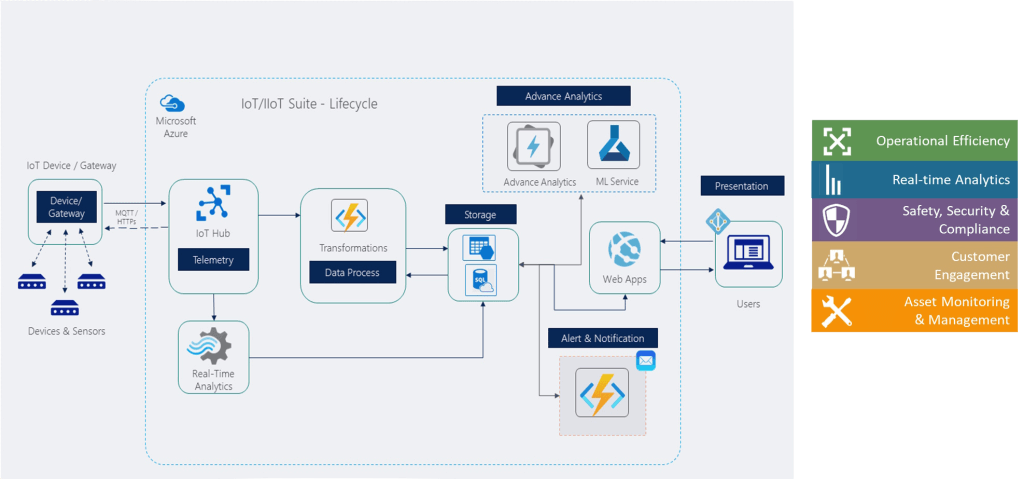
Selecting Tools and Platforms
Azure and AWS both offer comprehensive AIoT platforms:
Azure IoT Stack
Azure IoT Hub: Device connectivity and management.
Azure IoT Edge: Deploy AI models to edge.
Azure Machine Learning: Train and deploy models.
Azure Stream Analytics: Real-time data processing.
Azure Time Series Insights: IoT data exploration.
Power BI: Visualization.
AWS IoT Stack
AWS IoT Core: Device management.
AWS IoT Greengrass: Edge computing.
Amazon SageMaker: ML model development.
Amazon Kinesis: Data streaming.
AWS IoT Analytics: Data analysis.
Amazon QuickSight: Visualization.Choose based on your existing cloud environment, preferred programming languages, and integration needs.
Real-World Use Cases of AI + IoT Integration
Manufacturing: Predictive Quality and Maintenance
AI models analyze real-time vibration and temperature sensor data to predict machine failures and product defects. Companies see a 30% reduction in unplanned downtime and a 20% decrease in scrap rates.
Energy: Smart Grid Optimization
AI-powered IoT systems forecast electricity demand patterns using weather, usage, and market data, enabling utilities to optimize energy production and distribution dynamically.
Agriculture: Precision Farming
IoT sensors measure soil moisture, temperature, and nutrient levels; AI models recommend irrigation and fertilization schedules, increasing crop yields while conserving resources.
Healthcare: Remote Patient Monitoring
Wearables collect heart rate and blood pressure data, feeding AI platforms that predict health events and alert medical teams before emergencies occur.
Challenges and How to Overcome Them
Data Quality and Quantity
Security Concerns
Complexity of Integration
Cost and Resource ManagemenBest Practices for AIoT Development
Start Small
Iterate Frequently
Automate Model Retraining
Focus on User Experience
Monitor ContinuouslyGetting Started with AI and ML in Your IoT Applications
Identify high-value use cases like predictive maintenance or anomaly detection.
Map your device and data architecture, choosing edge vs. cloud processing based on latency and bandwidth.
Select a cloud platform (Azure, AWS) aligned with your existing infrastructure.
Collect and label data for training ML models.
Build and deploy AI models incrementally.
Integrate AI outputs with business workflows and automation.
Measure impact and optimize continuously.Conclusion
The integration of AI and machine learning with IoT is revolutionizing industries by turning raw sensor data into smart, actionable intelligence. This combination powers predictive maintenance, enhances security, automates processes, and delivers personalized experiences.
By architecting solutions that blend edge and cloud AI, choosing the right platforms, and following best practices, businesses can build intelligent IoT applications that drive real business value and innovation.