


















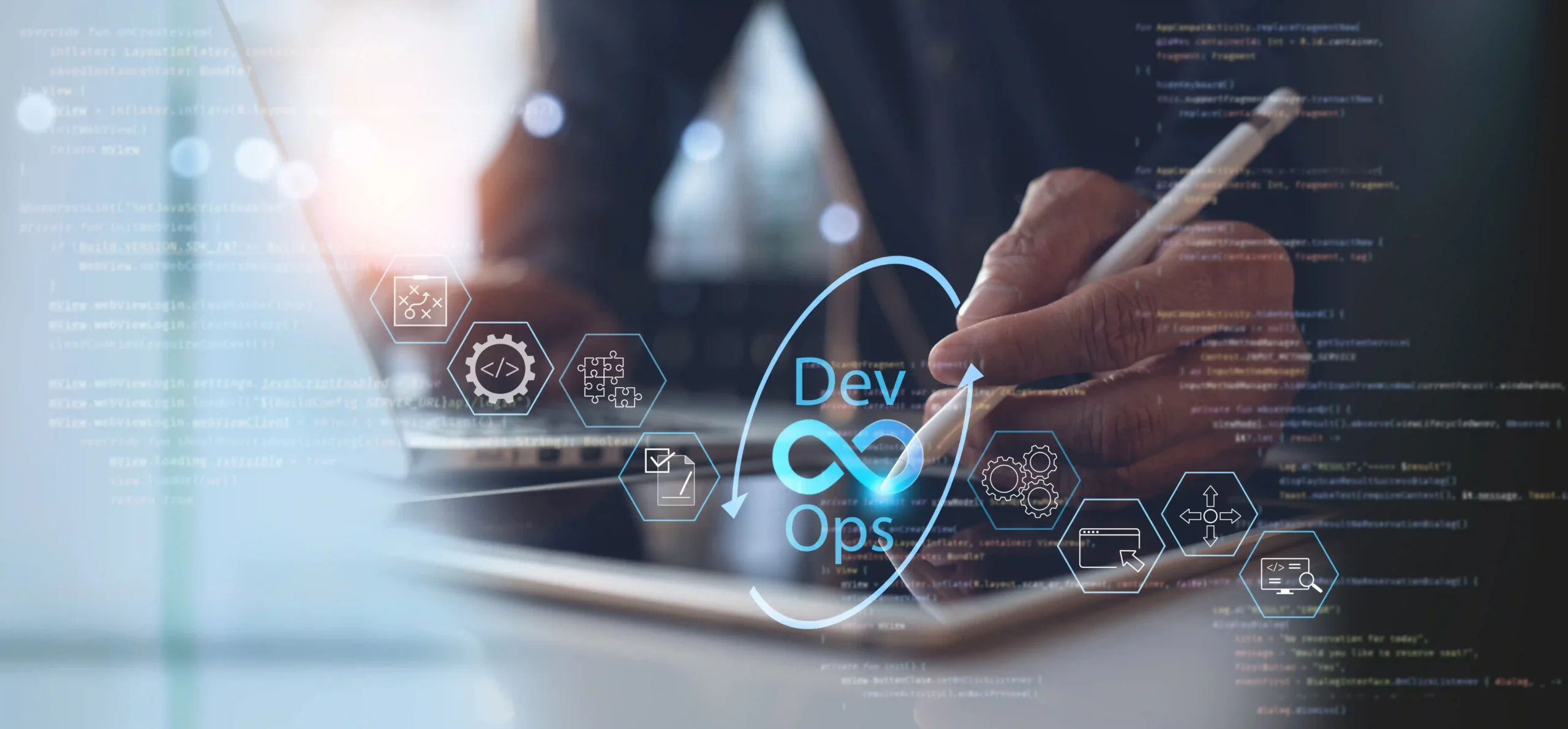


- Agility in industrial manufacturing means adjusting workflows in real time, responding to supply chain disruptions proactively, and making confident decisions based on live data — none of which is possible with disconnected legacy systems.
- Tailored IT solutions — rather than off-the-shelf platforms — are the foundation of operational agility, designed to fit existing processes and integrate with the ERP, MES, SCADA, and PLC systems already in use.
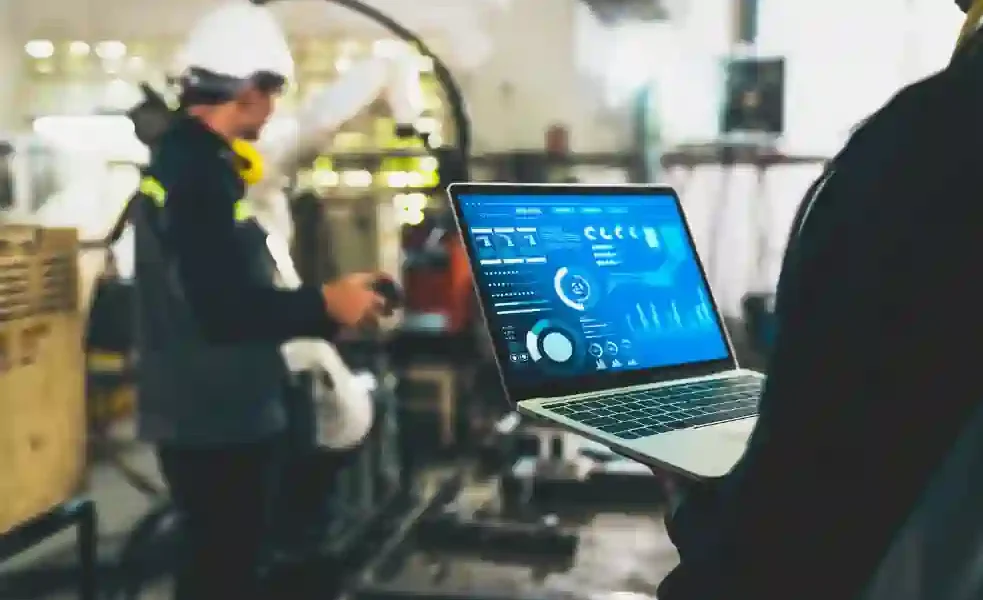
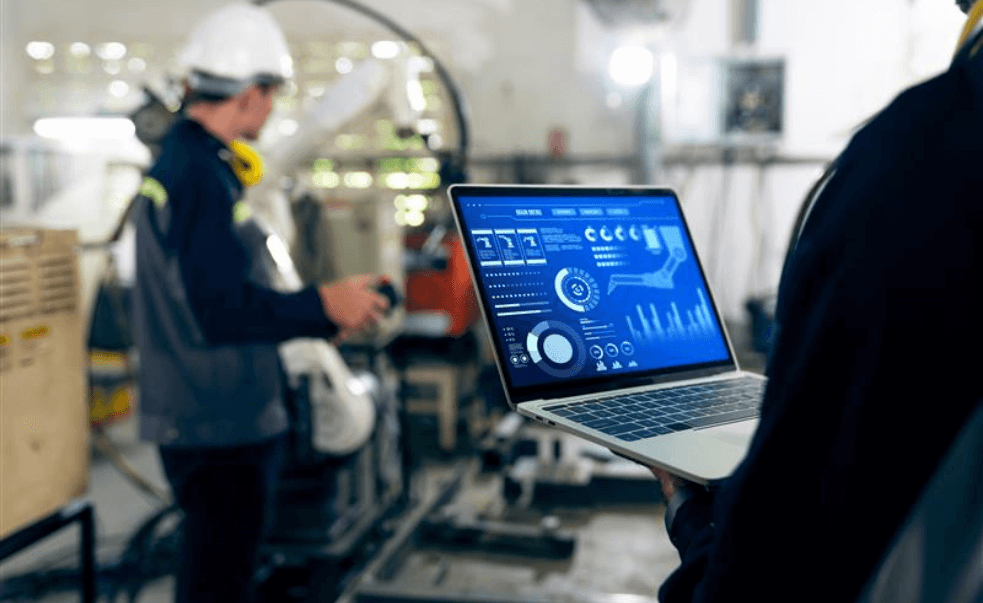
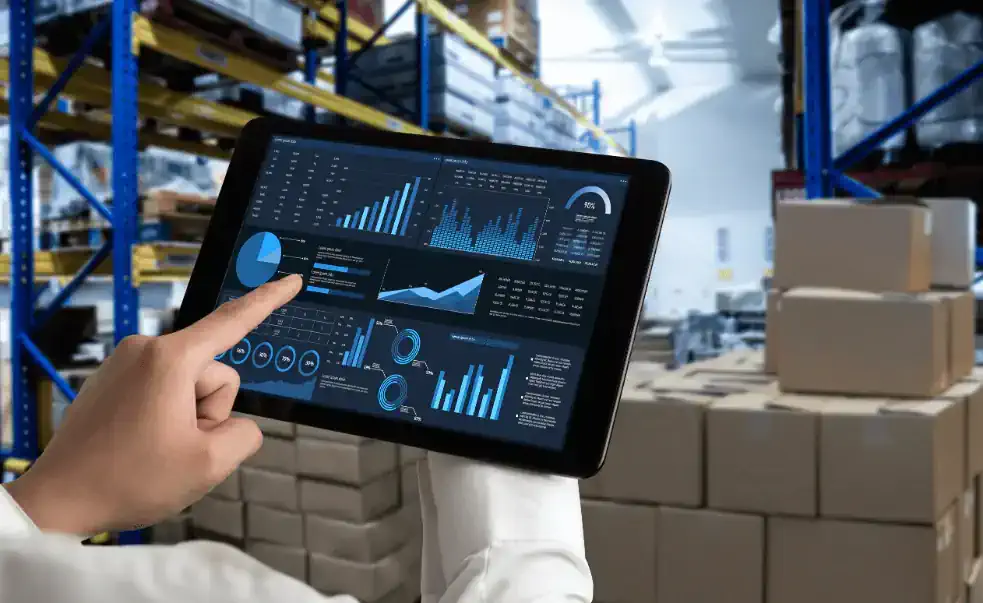
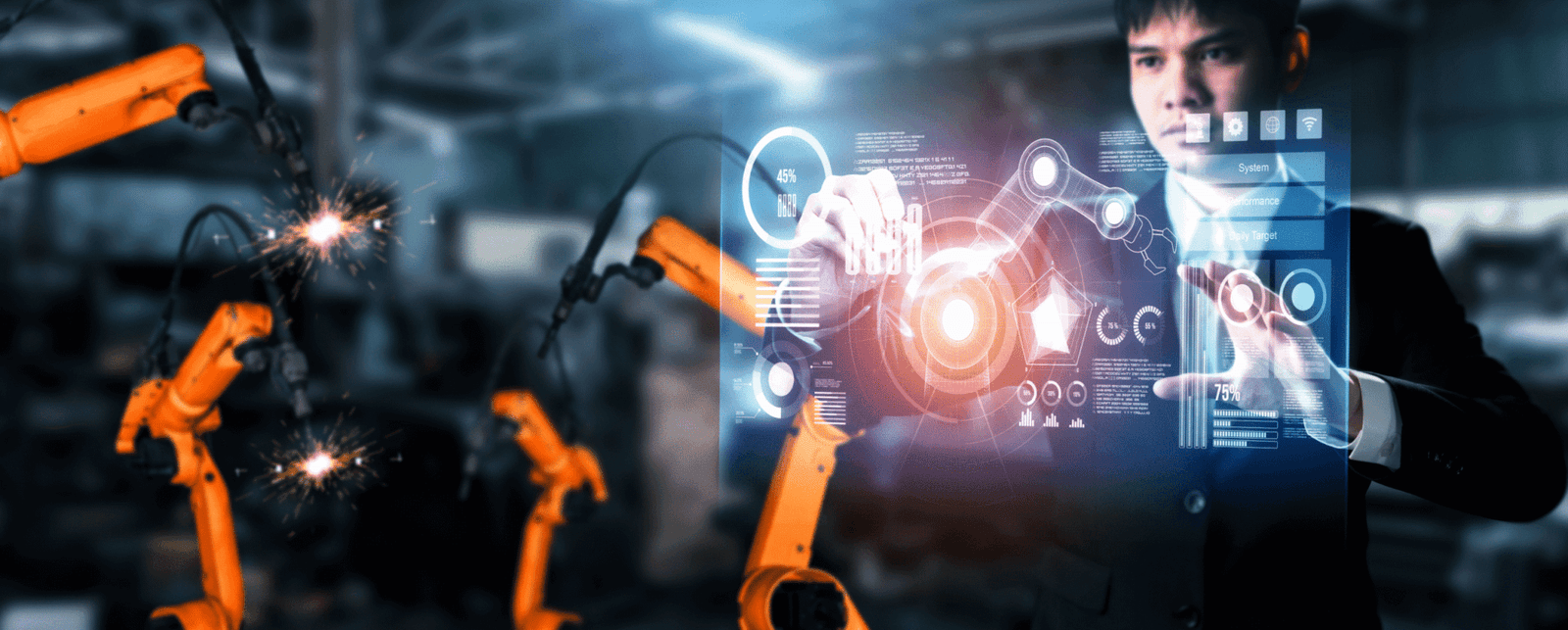
- IoT-connected ecosystems stream live machine data to real-time dashboards, giving supervisors visibility into production counts, energy usage, uptime, and anomalies from a single screen — enabling immediate decision-making rather than waiting for next week’s report.
- Automation of routine tasks like quality audits, maintenance scheduling, and inventory tracking frees manufacturing teams to focus on higher-value work — and custom analytics engines turn historical data into root-cause analysis and predictive planning.
- Manufacturers in India have seen concrete results: a 27% reduction in downtime, 18% higher throughput, and 50% faster audit preparation — all from targeted, modular IT initiatives rather than disruptive full-scale overhauls.
In the world of industrial manufacturing, success depends on more than just machinery and manpower. Agility—your ability to respond quickly to market changes, customer demands, and production challenges—is the real game changer.
But here’s the truth: most mid-sized manufacturers aren’t set up to be agile.
Disjointed systems, legacy tech stacks, manual processes—they slow everything down. They hide insights. They drain productivity. And in a global marketplace where speed and precision are everything, they leave even strong companies lagging behind.
This is where tailored IT services for manufacturing make a real difference—not as a band-aid, but as a performance accelerator.
The Challenges Facing Modern Industrial Operations
Industrial manufacturers operate in a pressure cooker of variables: fluctuating demand, rising costs, regulatory shifts, labor shortages, and increasing customer expectations for speed, traceability, and sustainability.
In the past, these challenges were addressed with brute force—more shifts, more machines, more manual tracking.
That doesn’t cut it anymore.
True agility means having the ability to
 Adjust production workflows in real time
Respond to supply chain disruptions proactively
Make confident decisions based on live data
Automate tasks so teams can focus on value creation
Scale operations efficiently without massive overhead
Adjust production workflows in real time
Respond to supply chain disruptions proactively
Make confident decisions based on live data
Automate tasks so teams can focus on value creation
Scale operations efficiently without massive overheadBut none of that happens with disconnected spreadsheets and outdated ERPs.
Agility needs data. It needs visibility. It needs digital programs that are purpose-built for your operations.
Digital Solutions for Connected Industrial Operations
A one-size-fits-all software won’t deliver meaningful change on your factory floor.
What works is tailored IT solutions—designed to fit your processes, people, and systems, not force you to change everything overnight.
These solutions include:
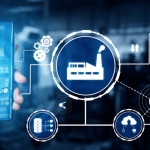
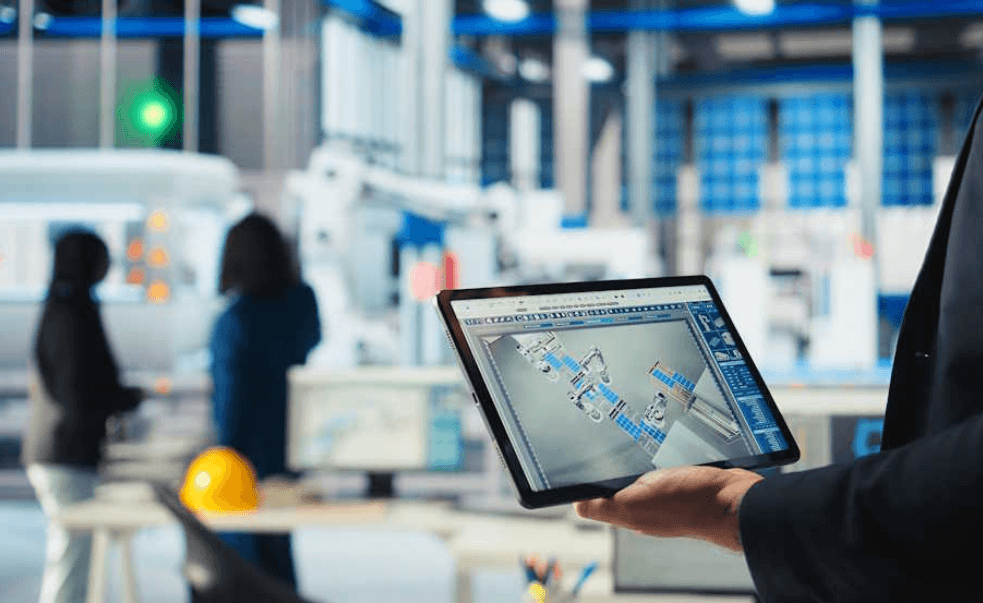
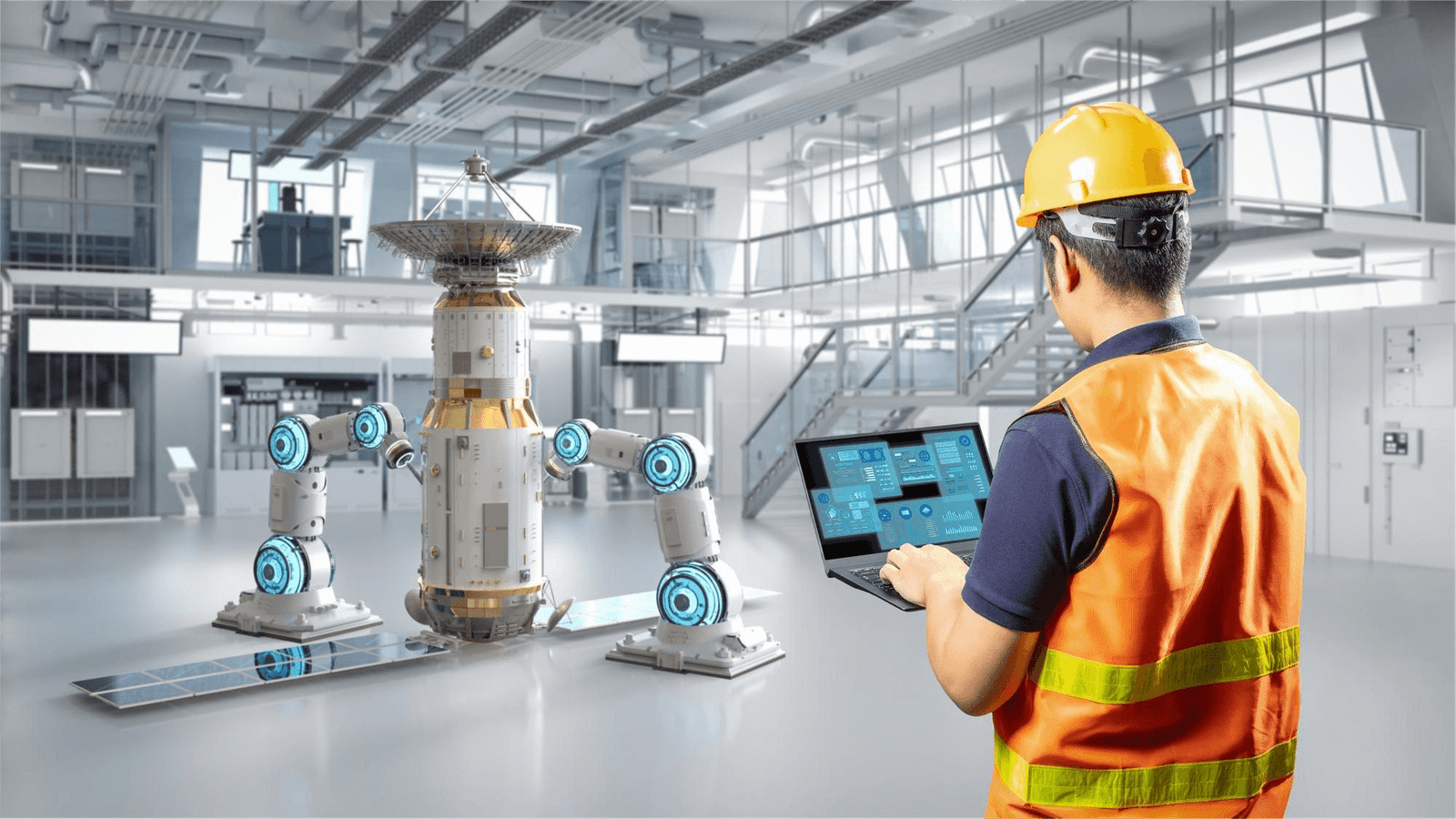
 Connected IoT ecosystems that stream live data from machines, sensors, and lines
Custom dashboards that give visibility across operations—from procurement to packaging
Workflow automation for scheduling, reporting, maintenance, and quality tracking
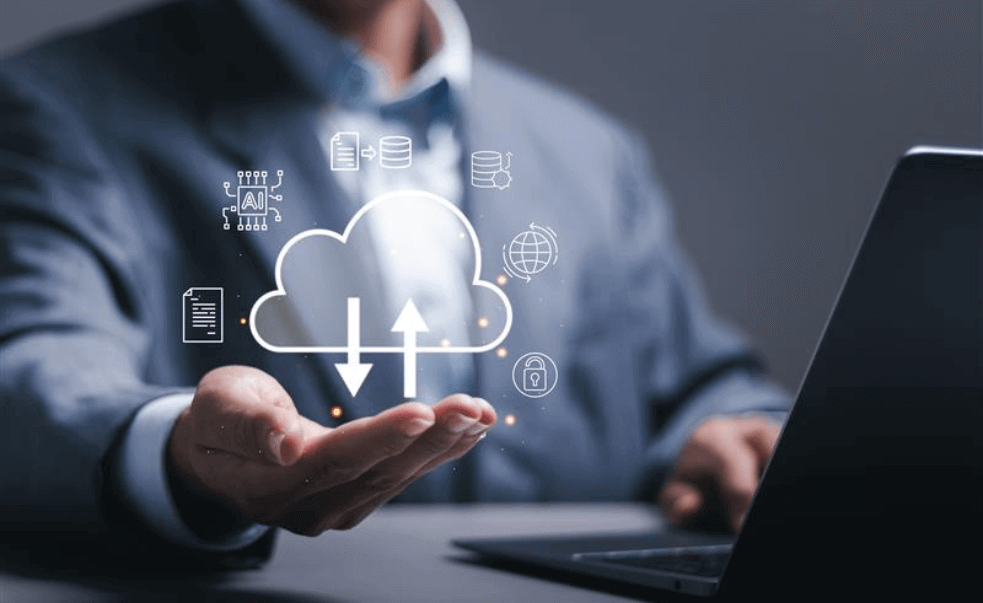
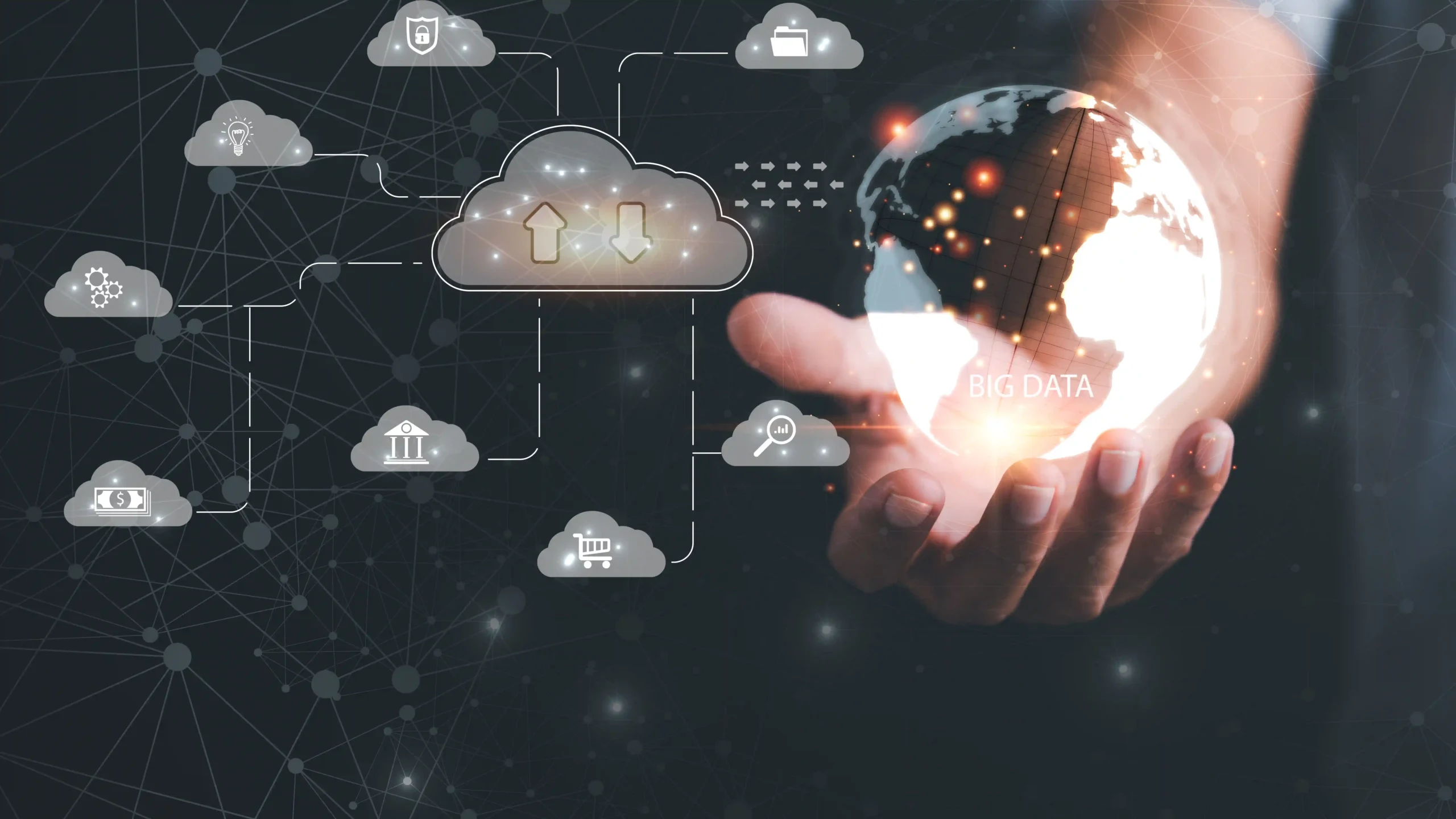
Cloud platforms that enable flexible access and scalability across multiple sites
Data analytics engines that turn raw inputs into insights and action
Secure integrations with your existing ERP, MES, SCADA, or PLC environment
Connected IoT ecosystems that stream live data from machines, sensors, and lines
Custom dashboards that give visibility across operations—from procurement to packaging
Workflow automation for scheduling, reporting, maintenance, and quality tracking
Cloud platforms that enable flexible access and scalability across multiple sites
Data analytics engines that turn raw inputs into insights and action
Secure integrations with your existing ERP, MES, SCADA, or PLC environment Let’s break down what each brings to the table.
Connected Industrial Operations
Industrial manufacturing runs on machines—but until recently, those machines didn’t talk to each other. Or to your team. Or to your ERP.
With IoT-enabled IT services, manufacturers can:
Track machine performance in real time
Set alerts for unusual vibrations, temperature, or load
Predict failures before they cause downtime
Optimize maintenance scheduling
Monitor energy usage for sustainability goalsThis isn’t just “smart factory” hype. It’s practical, proven, and designed to scale at your pace.
Operational Visibility with Real-Time Data
Your supervisors, engineers, and planners need visibility—not next week’s report.
Tailored digital dashboards offer:
Live updates on production counts, rejects, machine uptime
Line-to-line performance comparisons
Real-time shift summaries
Energy and resource usage data
Alerts and escalations when thresholds are crossed It’s operational awareness, distilled into a single pane of glass.
Workflow Automation for Industrial Operations
Too many industrial teams still rely on clipboards, manual logbooks, or emailing Excel sheets back and forth. This adds friction, error, and delay.
With the right digital solutions:
Quality audits can be logged from mobile devices
Maintenance requests are auto-assigned and tracked
Inventory counts sync directly to procurement systems
Production anomalies are flagged and routed in real timeAutomation doesn’t replace your people—it empowers them to do higher-value work.
Cloud Infrastructure for Continuous Operations
Agility demands flexibility—and on-premise IT often can’t keep up.
By migrating to cloud-based platforms, manufacturers gain:
Centralized access across plants and geographies
Remote visibility and control
Faster software rollouts and updates
Lower infrastructure maintenance costs
Scalability for new lines, shifts, or locationsA hybrid cloud model often works best—where core operations stay local, and intelligence moves to the cloud.
The result: decisions are based on real-time truth, not gut feeling or outdated assumptions.
Unified Operational Data for Better Decisions
Data is only valuable when it informs action.
Manufacturers using custom IT services benefit from:
Historical trend analysis
Root-cause analysis for recurring issues
Predictive analytics for demand, failure, or quality
Cost modeling and margin impact simulations
Custom visualizations for executive reportingThe result: decisions are based on real-time truth, not gut feeling or outdated assumptions.
Integrating Existing Industrial Systems
You don’t need to rip and replace everything.
The best digital programs integrate seamlessly with:
ERP systems like SAP, Oracle, Microsoft Dynamics
MES systems tailored to your production
SCADA and PLC setups already in use
Homegrown tools that still serve critical needsIt’s not about change for the sake of it—it’s about building on what works and upgrading what holds you back.
Real Outcomes: Industrial Manufacturers Already Seeing the Impact
Let’s talk results—because theory doesn’t run a factory.
Here’s how some mid-sized manufacturers have used tailored IT solutions to unlock operational agility:
✅ Mid-Sized Auto Component Maker – Chennai
Problem: Frequent unplanned downtime and poor visibility into maintenance scheduling.
Solution: IoT sensors + predictive analytics + digital work orders.
Outcome: 27% drop in downtime, 40% reduction in unplanned maintenance tasks.
✅ Industrial Equipment Assembly – Pune
Problem: Bottlenecks in final assembly due to inconsistent inventory tracking.
Solution: Real-time inventory integration with MES.
Outcome: Increased throughput by 18%, improved on-time delivery by 22%.
✅ Specialty Chemicals Plant – Gujarat
Problem: Compliance reporting was time-consuming and error-prone.
Solution: Automated digital quality reporting linked to process data.
Outcome: Cut audit prep time by 50%, reduced reporting errors by 70%.
Building Sustainable Industrial Operations
Industrial manufacturers are under growing pressure to reduce their environmental footprint. But sustainable manufacturing isn’t about ideology—it’s about efficiency.
With digital visibility into energy, water, materials, and waste, manufacturers can:
Connected IoT ecosystems that stream live data from machines, sensors, and lines
Optimize resource use
Identify and address inefficiencies
Meet regulatory requirements
Appeal to environmentally-conscious customers
Reduce cost per unit over time Tailored IT services make these goals achievable—and measurable.
A Structured Approach to Digital Transformation
Worried about change? You’re not alone. But the smart path isn’t a massive overhaul. It’s a series of targeted, modular initiatives that build confidence and momentum.
Start small. See results. Scale strategically.
Many manufacturers begin with:
A pain point (e.g., maintenance, reporting, quality)
A 90-day pilot to prove ROI
Identify and address inefficienciesAnd from there, they expand—on their terms.
Future-Ready Industrial Operations
Industrial manufacturing is evolving fast. Markets change. Customers demand more. And traditional systems just can’t keep up.
That’s why more and more SMB manufacturers are embracing tailored IT services—to unlock agility, reduce waste, and compete stronger.
At Infysion, we specialize in helping industrial businesses like yours design and deploy digital solutions that fit your exact needs—without disruption, confusion, or unnecessary cost.