





































- IoT projects span hardware, firmware, cloud, security, and analytics — making the choice of development partner one of the most critical decisions for ensuring your project succeeds on time and within budget.
- Start by clearly defining your project scope: what problem it solves, what devices are involved, your data volume expectations, and whether you need real-time alerts or AI-driven insights.
- Evaluate partners on industry-specific experience, cross-stack technical depth (embedded systems, cloud platforms, AI, security), and their development methodology — including how they handle scope changes and communicate progress.
- Always verify claims through case studies and direct client references, paying close attention to feedback on communication quality, problem-solving approach, and measurable project outcomes.
- Look beyond the launch — ask about post-deployment support, maintenance plans, long-term scaling strategies, pricing models, IP ownership, and confidentiality agreements before signing anything.
If you’re gearing up to launch an IoT project, one of the biggest decisions you’ll make is choosing the right development partner. Let’s be real — IoT projects are complex beasts. They involve hardware, software, cloud services, security, and sometimes AI and analytics. You need a company that not only understands the tech but also your industry and business goals.
Hiring the wrong partner can lead to missed deadlines, ballooning costs, poor-quality apps, or even security risks. But find the right IoT development company, and you get a trusted collaborator who delivers solutions that work, scale, and add real value.
In this blog, we’ll walk through everything you need to know to hire the best IoT development company for your business.
Why Hiring the Right IoT Development Company Matters
IoT isn’t your typical app or website project. It’s an end-to-end system that often touches critical infrastructure and sensitive data. Because IoT solutions usually connect physical devices to digital platforms, they must be reliable, secure, and easy to maintain.
When you partner with an IoT development company, you’re not just hiring coders — you’re hiring strategic experts who will guide hardware selection, design communication protocols, develop cloud integration, and build user-friendly apps.
The right partner ensures:
 Your project stays on schedule and within budge
The solution is scalable and future-proof
Security is baked in from day one
You get ongoing support and updates
Your project stays on schedule and within budge
The solution is scalable and future-proof
Security is baked in from day one
You get ongoing support and updates Define Your Project Scope and Goals
Before you start searching, clarify what you want to achieve. Ask yourself:
 What problem will the IoT solution solve?
What types of devices will be involved?
How much data do you expect to collect and analyze?
Do you need real-time alerts or AI-driven insights?
What’s your timeline and budget?
What problem will the IoT solution solve?
What types of devices will be involved?
How much data do you expect to collect and analyze?
Do you need real-time alerts or AI-driven insights?
What’s your timeline and budget?Having clear answers will help you find a company with the right expertise and tailor your conversations.
Look for Relevant Industry ExperienceIoT solutions vary wildly across industries — manufacturing, healthcare, smart cities, agriculture, energy, and more all have unique requirements.
Look for companies that:
Have proven experience in your industry or with similar use cases
Understand the regulatory landscape affecting your sector
Have delivered solutions for devices and sensors you plan to useIndustry expertise often translates to faster development and better problem-solving.
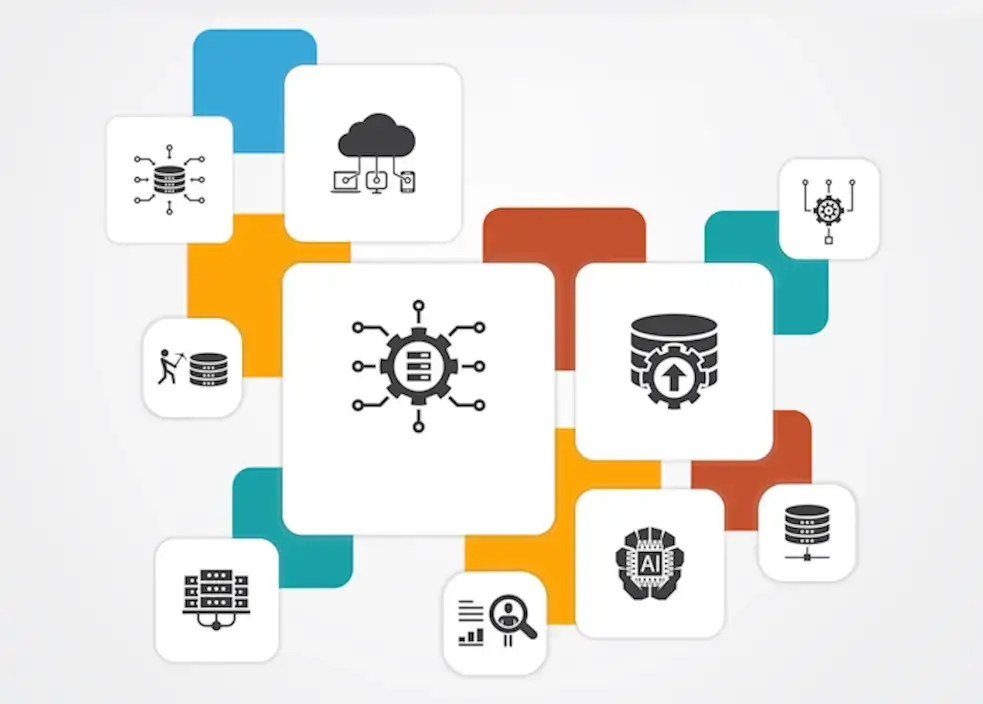
Evaluate Technical Skills and ExpertiseA solid IoT development company should have skills across:
Embedded systems and firmware development: For device programming
Cloud platforms: Experience with Azure IoT, AWS IoT, or Google Cloud IoT
Data analytics and AI: For deriving insights and automation
Security: Implementing device authentication, data encryption, and compliance standards
App development: Mobile and web apps for monitoring and controlDon’t hesitate to ask about their tech stack and certifications.
Assess Their Development Process and Collaboration StyleSuccessful IoT projects need clear communication and agile workflows.
Ask about:
Their project management approach (Agile, Scrum, etc.)
How they handle changes in requirements or scope
Frequency and format of updates and demos
Tools used for collaboration and issue tracking
How they onboard new clients and understand their needsGood chemistry and transparency go a long way.
Check Client References and Case StudiesRequest case studies or references to verify claims.
Look for:
Similar projects in size and complexity
Client feedback on communication and problem-solving
Examples of delivered solutions and measurable impactIf possible, speak directly with previous clients to hear their experience.
Consider Support, Maintenance, and Future ScalingIoT solutions are never “done.” Devices need firmware updates, cloud services evolve, and your business may want to add features.
Ask about:
Post-launch support and maintenance plans
Ability to provide long-term partnerships
Strategies for scaling the solution as you growReliable support helps avoid downtime and technical debt.
Understand Pricing Models and ContractsPricing models vary — some companies charge fixed-price per project, others bill hourly or per milestone.
Clarify:
What’s included in the price (development, testing, deployment)
How they handle scope changes and extra features
Ownership of code and intellectual property
Confidentiality agreements and data security policiesDon’t automatically go with the cheapest option — value matters more than cost alone.
Bonus Tips: Questions to Ask Prospective IoT Development Companies
How do you handle hardware-software integration challenges?
What cloud platforms and tools do you prefer, and why?
Can you explain a recent IoT project where you faced significant challenges?
How do you ensure security throughout the IoT stack?
What is your approach to testing and quality assurance?
How do you handle device provisioning and onboarding at scale?
What’s your experience with edge computing or AI integration?Common Mistakes to Avoid
Not defining project requirements clearly
Ignoring security early on
Overlooking ongoing maintenance
Choosing a company based on price alone
Skipping client referencesHiring the right IoT development company is a foundational step toward your project’s success. Take your time, do your research, and treat this as a strategic partnership — not just a transaction. When you find a company that blends technical excellence, industry knowledge, and good communication, you’re setting yourself up for a smooth, impactful IoT journey.