



















- Legacy systems — old on-premise ERPs, paper-based QA, and disconnected machines — create hidden costs including slow decision-making, siloed teams, and inability to integrate with modern cloud or IoT tools.
- Smart manufacturing is defined not by industry, but by how well technology creates flow across people, systems, and machines — with live dashboards, automated alerts, digital work instructions, and real-time inventory sync.
- A full rip-and-replace is not necessary; hybrid IT architectures that augment legacy systems with modern cloud, IoT, and analytics layers deliver real-time visibility while preserving existing investments.
- The modernization roadmap follows clear phases: audit and align, connect key machines, digitize workflows, build an analytics layer, and enable cross-functional cloud collaboration.
- Mid-sized manufacturers often lack internal IT resources, so working with a specialized partner who handles discovery, deployment, training, and ongoing lifecycle management is key to success.
Legacy systems have long powered the backbone of manufacturing. But as market dynamics evolve, these systems often become more of a liability than a strength.
They were built for stability, not agility.
For volume, not visibility.
For continuity—not competitive edge.
And in a world where speed, data, and precision drive profits, mid-sized manufacturers can no longer afford to be held back by outdated technology.
But here’s the good news: a full rip-and-replace isn’t required.
Instead, incremental, intentional digital modernization—backed by the right IT services manufacturing partner—can help manufacturers leap from legacy to smart without interrupting operations or burning budgets.
This blog explores how to make that shift happen:
 The real cost of sticking with legacy systems
Common obstacles (and how to move past them)
A practical roadmap to modern, connected operations
Proven benefits seen by peers in industrial manufacturing
How Infysion helps businesses modernize with confidence
The real cost of sticking with legacy systems
Common obstacles (and how to move past them)
A practical roadmap to modern, connected operations
Proven benefits seen by peers in industrial manufacturing
How Infysion helps businesses modernize with confidenceLet’s dig in.
Why Legacy Systems Feel Safe—But Aren’t
Many manufacturers still rely on:
On-premise ERPs from the 2000s
Excel-based scheduling and reporting
Paper-based quality checklists
Unconnected CNC or PLC machines
Access databases running on old desktopsIf these systems “still work,” why fix them?
Because the costs are real—and rising.
| Hidden Cost | Impact |
| Lack of real-time data | Poor decision-making and slow response times |
| Siloed departments | Manual handoffs, duplication of effort |
| No mobile access | Inflexibility in fast-paced environments |
| Fragile integrations | Risk of failure when upgrades or changes happen |
| Incompatibility | Unable to connect to modern tools, IoT, or cloud platforms |
These legacy roadblocks limit growth, drain resources, and leave businesses behind.
Smart Manufacturing: What’s Possible with the Right Digital Foundation
Smart Manufacturing aren’t defined by industry—they’re defined by how they use technology to create flow across people, systems, and machines.
Here’s what “smart operations” look like in action:
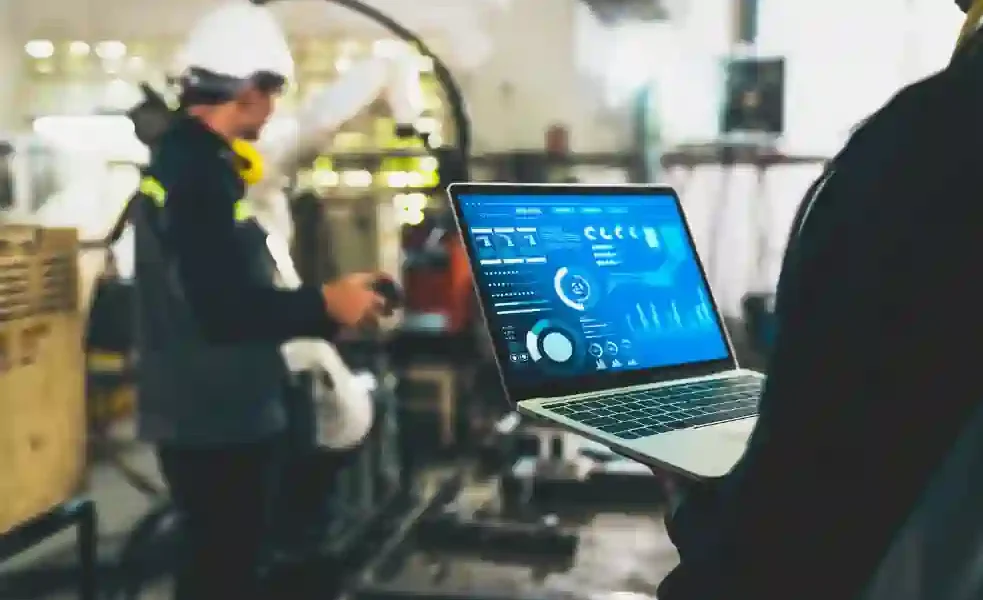
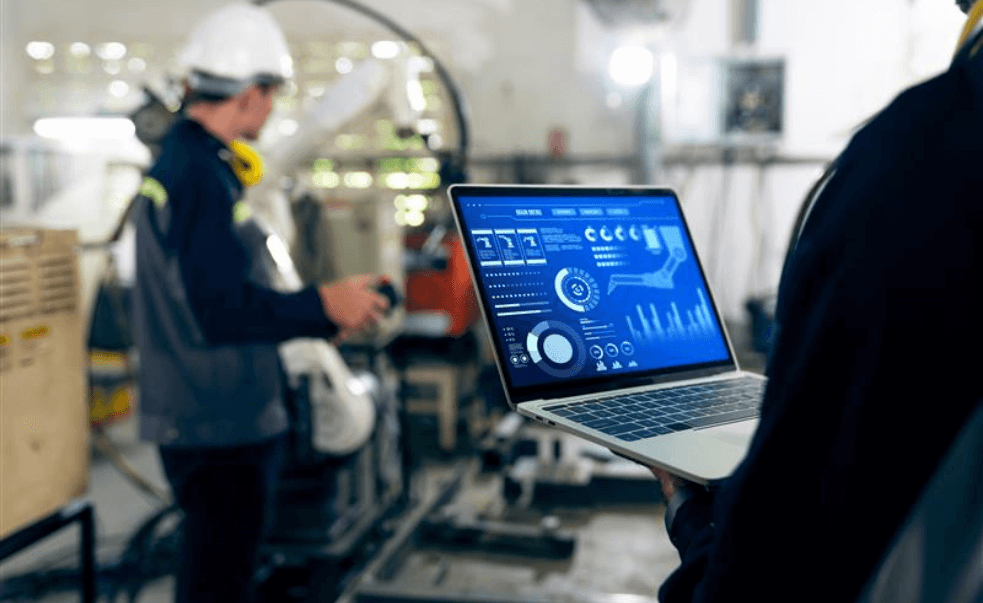
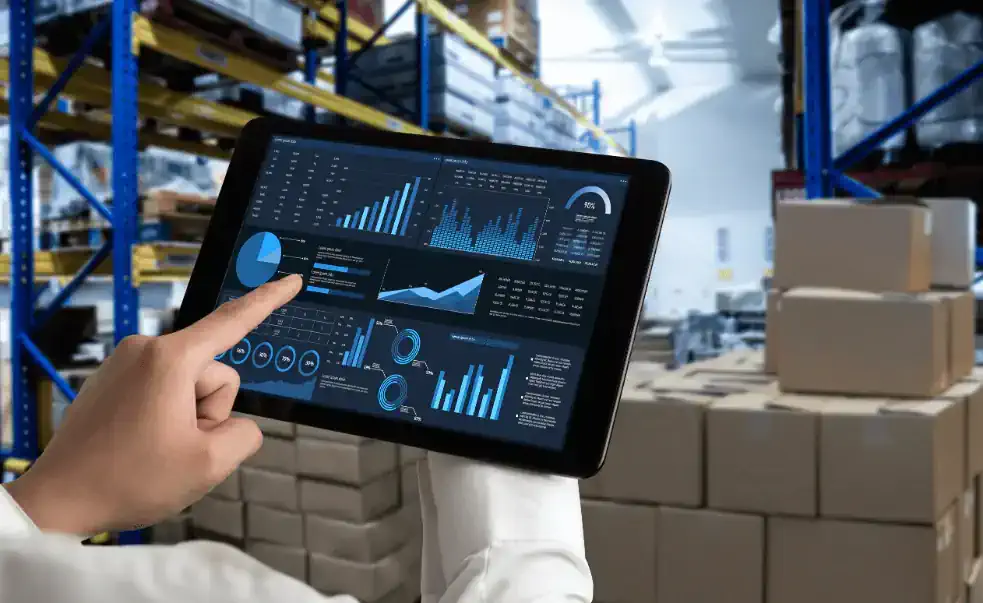
 Supervisors see production data live on mobile dashboards
Maintenance teams get alerts before failures happen
Operators follow digital work instructions on tablets
Quality issues trigger instant workflows and escalations
Inventory and job orders sync automatically across systems
Energy usage is tracked in real-time for sustainability reporting
Supervisors see production data live on mobile dashboards
Maintenance teams get alerts before failures happen
Operators follow digital work instructions on tablets
Quality issues trigger instant workflows and escalations
Inventory and job orders sync automatically across systems
Energy usage is tracked in real-time for sustainability reportingThis isn’t about the latest tech buzzword.
It’s about building visibility, speed, and control into daily operations—using tech that fits mid-sized realities.
Why Mid-Sized Manufacturers Struggle to Modernize (and How to Fix It)
Digital transformation sounds massive—and for enterprise manufacturers, it often is.
But for smaller operations, the challenges are different:
| Common Concern | How Infysion Helps |
| “We can’t afford downtime” | Solutions are deployed alongside existing systems with minimal disruption |
| “Our team isn’t tech-savvy” | We build intuitive interfaces + train every user role |
| “We don’t have IT staff” | Infysion manages the lifecycle from design to scale |
| “We don’t want to replace our ERP” | Legacy systems are integrated, not replaced (unless needed) |
| “We don’t know where to start” | We conduct a discovery sprint to map gaps and prioritize value |
It’s not about tech-first—it’s about people-first transformation.
A Practical Roadmap: From Legacy to Smart, Step by Step
Modernization doesn’t need to be overwhelming.
Here’s how mid-sized manufacturers move from outdated systems to connected operations—with measurable ROI at every phase.
🔹 Audit and Align
Review current tools, data flows, and bottlenecks
Interview frontline users—where are delays and workarounds happening?
Align digital goals with business priorities: e.g., reduce downtime, increase OEE, improve delivery time Deliverable: Digital Transformation Blueprint (focused on IT services manufacturing)
🔹 Connect What Matters Most
Deploy IoT sensors on key machines
Link them to cloud dashboards for visibility
Integrate production and quality logsQuick Win: Supervisors gain real-time insights without changing ERP
🔹 Digitize Core Workflows
Replace paper-based SOPs with digital work instructions
Automate inspection data capture
Digitize maintenance logs and schedulesQuick Win: Reduce errors, rework, and compliance audit time
🔹 Build Analytics & Reporting Layer
Aggregate data across production, QA, inventory
Deliver insights through Power BI, Grafana, or Tableau
Create mobile-friendly KPIs for leadership and shop floor teamsQuick Win: Faster decisions, less spreadsheet wrangling
🔹 Enable Scalable Collaboration
Roll out cloud-based tools across departments
Sync with ERP or CRM (or replace if needed)
Automate cross-functional workflows (order-to-delivery, complaints, recalls) Quick Win: Reduce order lead time, improve customer service SLAs
The Power of Integration: Legacy + Smart = Better
You don’t have to choose between old and new.
Hybrid IT architectures—where legacy systems remain but are augmented by modern cloud, IoT, and analytics layers—are enabling manufacturers to:
Extend the life of expensive legacy platforms
Gain real-time visibility without ERP overhaul
Reduce risk while accelerating time-to-value
Create interoperability between machines and business systems Think of it like this:
Why Smart Manufacturing Isn’t Optional Anymore
Customers demand more.
Workforces expect better tools.
Margins shrink without optimization.
Here’s what forward-thinking manufacturers are gaining with digital manufacturing and connected operations:
| Benefit | Outcome |
| Real-time production insights | Faster response to issues |
| Connected teams and tools | Smoother collaboration |
| Traceable quality data | Easier audits and compliance |
| Lower manual effort | Higher throughput, less error |
| Scalable architecture | Ready for future growth |
And with the right IT services partner, this shift becomes a strategic edge—not a technical nightmare.
Infysion’s Approach: Modernization Without the Mayhem
Infysion doesn’t throw tech at problems.
We specialize in helping mid-sized manufacturers modernize with minimum disruption and maximum ROI. Our services include:
Legacy system audits and migration strategy
Custom cloud apps that talk to your existing tools
IoT integration for machines and factory equipment
Business-focused dashboards and reporting
Cross-platform workflow automationWe’re not trying to turn every plant into Silicon Valley.
We’re here to elevate industrial manufacturing with practical, outcome-driven technology.