






























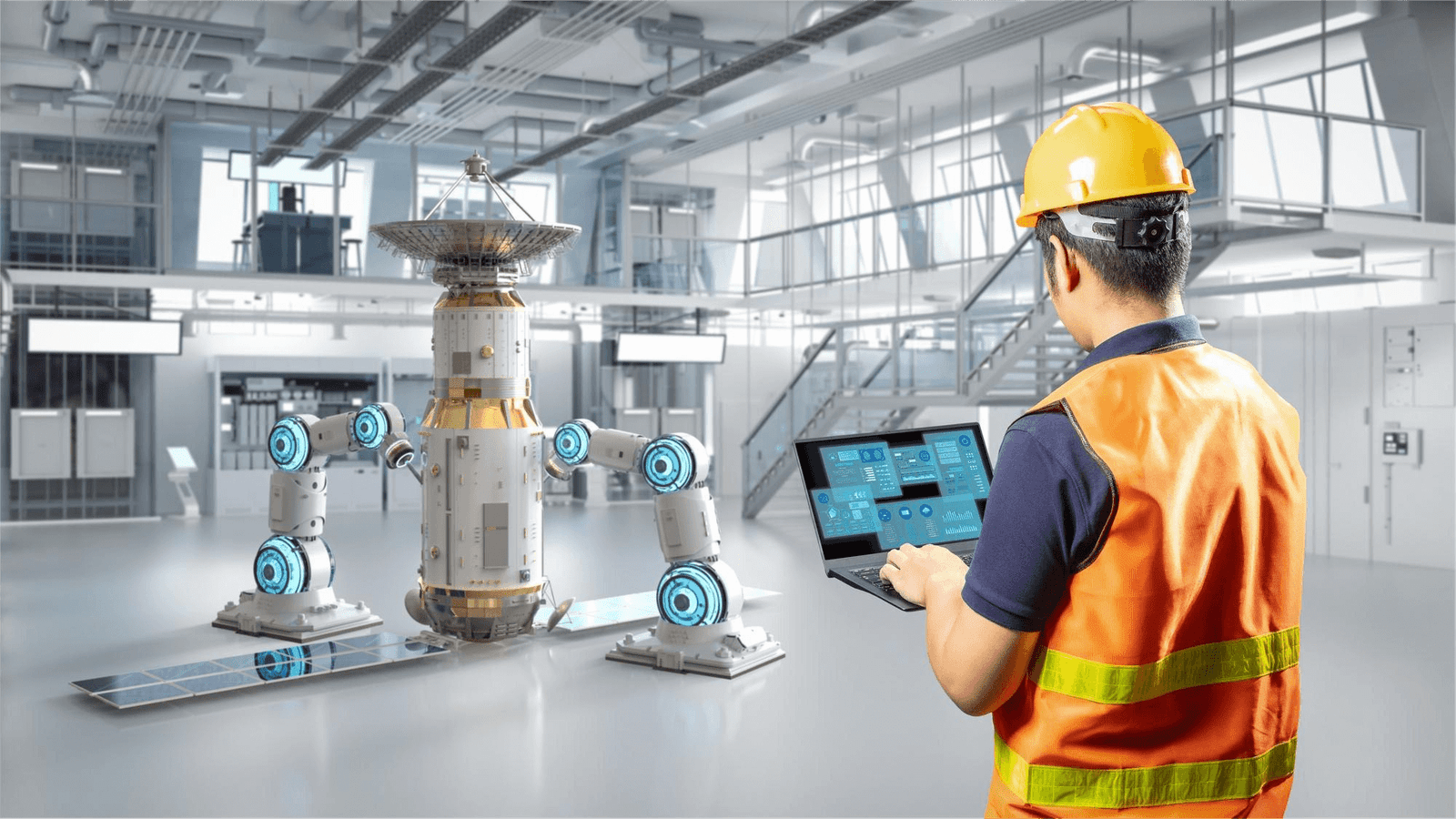





Building an IoT application involves more than connecting devices.
You need secure device communication, real-time data processing, scalable infrastructure, analytics, and applications that can turn connected data into business value. Azure IoT brings these capabilities together, helping organizations develop and scale connected solutions without building every component from scratch. Microsoft’s current Azure IoT ecosystem includes services such as Azure IoT Hub, IoT Edge, Azure Digital Twins, Device Provisioning Service, and Microsoft Fabric.
Key takeaways
- Azure IoT provides building blocks for connected device and application development.
- Prebuilt services can reduce development complexity and speed up deployment.
- Edge computing enables faster processing closer to connected devices.
- Azure services can connect IoT data with analytics, AI, and business applications.
- A scalable architecture helps IoT applications grow from initial deployments to enterprise environments.
What Is Azure IoT?
Azure IoT is a collection of cloud and edge services for connecting, managing, monitoring, and analyzing IoT devices and data.
Key services include:
Provides secure, bidirectional communication between devices and cloud applications.
Brings cloud capabilities closer to devices, supporting local processing, lower latency, and offline decision-making.
Creates digital models of physical environments such as buildings, factories, energy networks, and other connected assets.
Provides a unified data platform for IoT telemetry, real-time intelligence, analytics, and AI-ready data.
How Azure IoT Accelerates Application Development
Faster development with ready-to-use services
Azure IoT provides services and SDKs for device connectivity, provisioning, data ingestion, and management. This reduces the need to develop foundational IoT capabilities from scratch, allowing teams to focus on application functionality and business requirements.
Security built into the architecture
Device identity, authentication, access controls, and monitoring can be integrated across the IoT environment. This helps organizations establish security and governance as part of development rather than adding them later.
Scalable infrastructure
Azure IoT supports architectures that can connect devices across cloud and edge environments. This makes it easier to expand an IoT application as device volumes, locations, and data requirements increase.
Edge computing for faster decisions
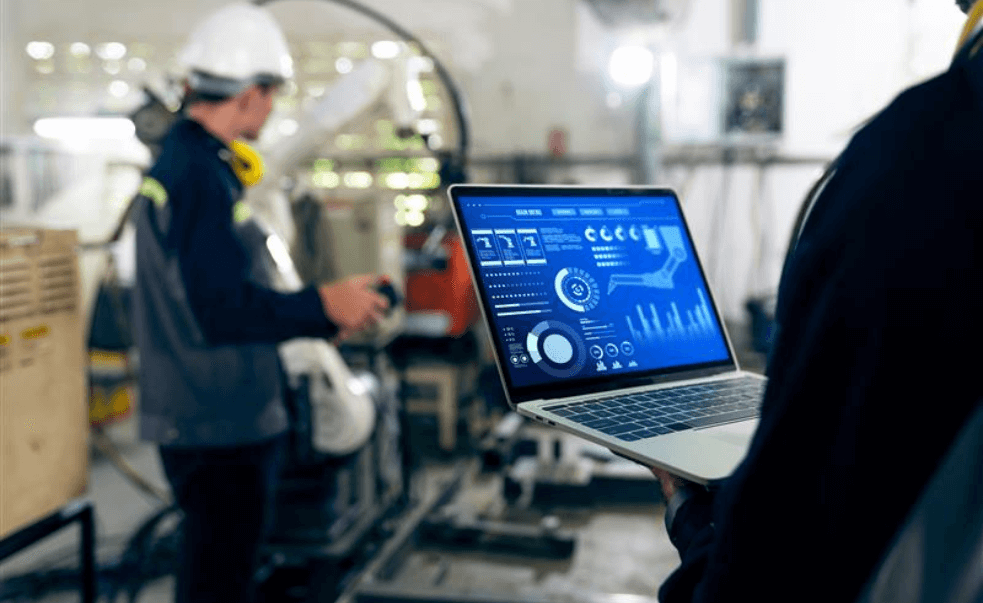
With Azure IoT Edge, processing can happen closer to the device instead of sending every data point to the cloud. This is useful for scenarios such as manufacturing where anomaly detection or operational decisions may require low latency.
Real-time analytics and AI
IoT telemetry can be processed and analyzed using Azure services and Microsoft Fabric. Organizations can combine real-time device data with analytics and AI to identify anomalies, predict issues, and improve operational decisions.
Azure IoT in Action
Manufacturing
Connected equipment can send telemetry through IoT Hub while edge processing supports local anomaly detection. Analytics can then help teams identify potential equipment issues and improve maintenance decisions.
Energy and Utilities
IoT solutions can collect data from connected assets and meters, helping organizations monitor consumption, identify anomalies, and improve operational visibility.
Smart Buildings
IoT sensors combined with Azure Digital Twins can provide a digital representation of buildings and connected assets, supporting applications for energy optimization, space management, and facility operations.
How to Get Started with Azure IoT
- Define the architectureIdentify your devices, data sources, applications, users, and business objectives before selecting services.
- Establish device connectivityUse Azure IoT Hub and Device Provisioning Service to connect and manage devices securely at scale.
- Decide where processing should happenDetermine which workloads should run in the cloud and which require edge processing for latency, connectivity, or operational reasons.
- Build the applicationUse Azure SDKs, APIs, and cloud services to develop dashboards, device management applications, analytics solutions, and connected workflows.
- Add analytics and AIConnect IoT data to real-time analytics, machine learning, or AI capabilities to move from monitoring toward predictive and automated operations.
Tips for Successful Azure IoT Development
- Start with a clearly defined business use case.
- Design for scalability from the beginning.
- Build security and governance into the architecture.
- Use edge processing where low latency matters.
- Monitor device, application, and data performance continuously.
- Keep the data foundation ready for analytics and AI.
From Connected Devices to Intelligent Applications
Azure IoT can help organizations move through a connected intelligence journey:
- Connect
- Collect
- Analyze
- Act
- Optimize
The objective is not simply to connect more devices. It is to turn device data into timely insights and actions that improve business performance.
Accelerate Your IoT Application Development
Building a scalable IoT ecosystem requires the right combination of IoT architecture, application development, cloud integration, data engineering, and analytics. Infysion helps enterprises design and develop connected solutions that integrate devices, applications, cloud platforms, and real-time data.
Build smarter, scalable IoT applications with Infysion.FAQs
What is Azure IoT used for?
Azure IoT is used to connect, manage, monitor, and analyze data from IoT devices and integrate that data with cloud, edge, analytics, and AI solutions.
How does Azure IoT speed up application development?
Prebuilt services for connectivity, device management, provisioning, data processing, and analytics reduce the need to build core IoT infrastructure from scratch.
When should I use Azure IoT Edge?
IoT Edge is useful when applications need local processing, low-latency decisions, reduced bandwidth usage, or operation during intermittent connectivity.
Can Azure IoT support AI applications?
Yes. IoT data can be integrated with Azure and Microsoft Fabric capabilities for analytics and AI, helping organizations build predictive and intelligent applications.