








































Data has become a business asset, but making that data consistently accessible, reliable, secure, and useful is not always simple.
Data as a Service (DaaS) provides a way to deliver data through a managed, scalable model without requiring every customer or business unit to build and maintain the underlying data infrastructure themselves. For organizations building a DaaS offering, the challenge is not simply collecting more data. It is creating a reliable path from data sources to usable business value.
What Is Data as a Service?
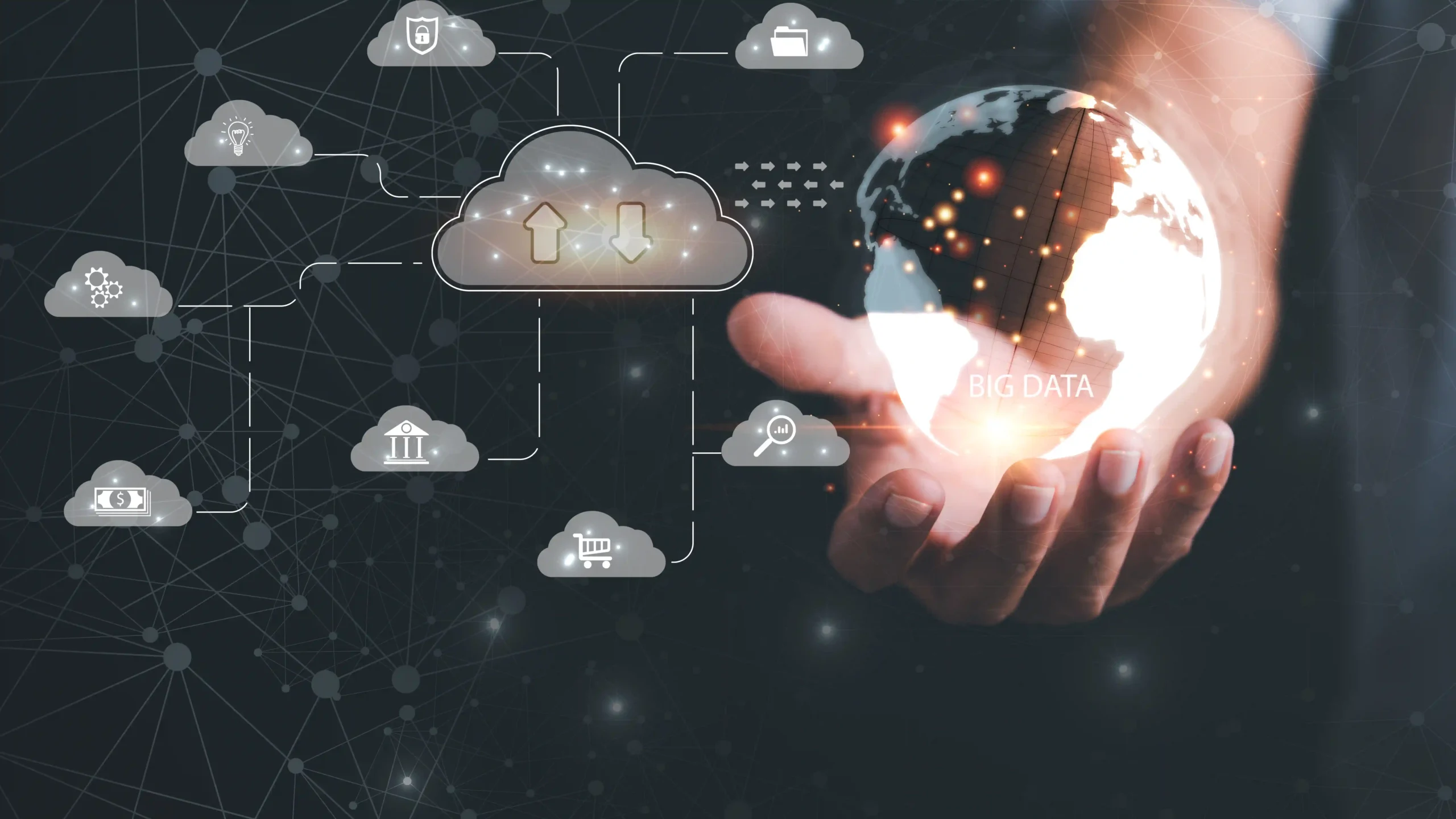
Data as a Service (DaaS) is a model that provides users with on-demand access to data through a managed platform. Instead of managing the complete infrastructure required to collect, store, process, and deliver data, customers can consume the data through interfaces such as APIs, dashboards, queries, or other applications.
A strong DaaS model depends on a reliable data pipeline that moves information from its sources through processing and storage before making it available to users. The goal is not simply to provide access to data. It is to make that data accessible, trustworthy, and useful.
Why Businesses Are Adopting DaaS
Managing data independently can require significant infrastructure, technical expertise, and ongoing maintenance. A DaaS model can simplify this by allowing organizations to consume the data they need without managing the entire underlying environment.
DaaS can help businesses:
- Reducethe infrastructure required to access and manage data
- Scaledata consumption as requirements change
- Improveaccess to business information
- Supportfaster data-driven decision-making
- Integratedata into analytics, applications, and machine learning workflows
The Building Blocks of a DaaS Model
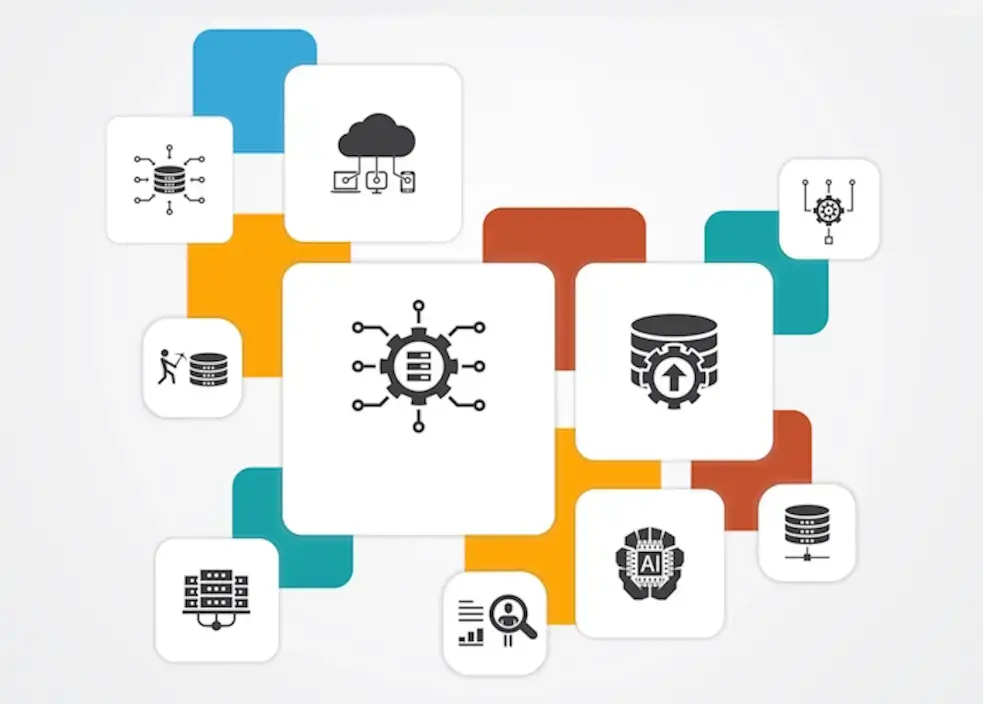
A successful DaaS platform typically brings together several connected capabilities:
- Data sources
Internal databases, APIs, IoT devices, third-party sources, or public datasets.
- Data pipelines
Processes for collecting, cleaning, transforming, and moving data.
- Data storage
Scalable and secure platforms for storing processed information.
- Data analytics
Tools that help users explore data and generate insights.
- Data delivery
APIs, dashboards, queries, or applications through which users access the data.