


















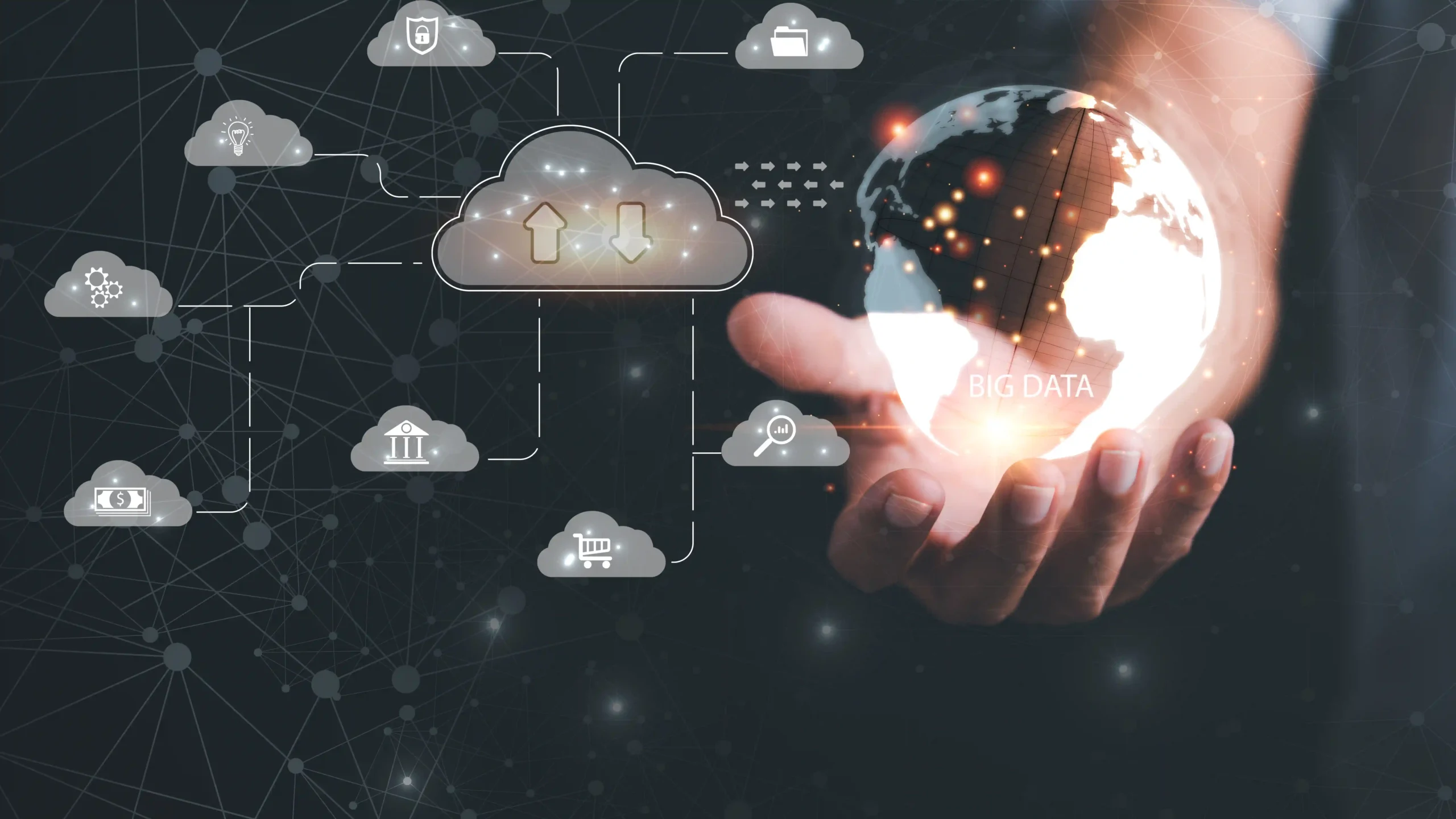



- Edge AI deploys artificial intelligence models directly on local edge devices — processing data at the source rather than routing everything to centralized cloud servers — reducing latency and enabling faster decisions for critical utility operations.
- Azure IoT Edge supports Docker-based AI model deployment, continuous operation during network outages, and seamless integration with Azure Machine Learning and Stream Analytics, making it well-suited for utility field deployments.
- AWS IoT Greengrass extends cloud capabilities to local devices in utility environments, enabling water quality monitoring, gas leak detection, and local analysis that continues functioning without constant cloud connectivity.
- Key utility use cases include predictive maintenance on substation equipment, anomaly detection for leaks or unauthorized access, real-time energy optimization, and water quality compliance monitoring — all handled locally for faster response times.
- Implementing Edge AI starts with identifying high-impact use cases, selecting appropriate edge hardware, building ML models tailored to the operational environment, and deploying via platforms like Azure IoT Edge or AWS Greengrass.
Edge AI for utilities enables energy, water, and other utility organizations to process data closer to where it is generated, supporting faster analysis and operational decision-making. By running AI models and data-processing workloads closer to connected devices and infrastructure, utilities can reduce latency, limit unnecessary data transmission, and maintain selected capabilities even when connectivity is limited.
From predictive maintenance and anomaly detection to smart grid and water-quality monitoring, Edge AI can support utility operations that require timely access to operational data.
This article explores how Edge AI can be used in utilities, the role of edge platforms such as Azure IoT Edge and AWS IoT Greengrass, key use cases, implementation considerations, and the benefits of processing intelligence closer to the source.
What is Edge AI?
Edge AI refers to running AI models or AI-enabled processing capabilities on or near the devices where data is generated, rather than sending every piece of data to a centralized cloud environment for processing. In utility environments, data can come from sensors, meters, connected equipment, control systems, and other operational devices.
Processing selected information at the edge can provide several benefits:
- Reduced Latency: Data can be analyzed closer to the source.
- Bandwidth Efficiency: Only relevant information may need to be transmitted to centralized systems.
- Operational Resilience: Selected processing can continue when connectivity to the cloud is disrupted.
- Data Control: Some sensitive or operational information can be processed locally.
Edge AI does not necessarily replace cloud computing. Instead, edge and cloud environments can work together, with each handling workloads appropriate to its capabilities.
Edge AI Use Cases in Utilities
1. Predictive Maintenance
Utility infrastructure relies on equipment that needs to operate reliably. Sensors can continuously generate information about equipment conditions and operating behavior. Edge AI can process selected sensor data locally to identify patterns or anomalies that may indicate potential equipment issues.
A typical workflow could look like:
Sensor Data → Edge Processing → Anomaly Detection → Alert → Maintenance Action
This can help utility teams identify issues earlier and prioritize equipment that requires investigation.
The cloud can still be used for longer-term data storage, model development, reporting, and broader analysis.
2. Real-Time Anomaly Detection
Utility infrastructure can generate large volumes of operational data. Edge AI can analyze relevant data close to the source and identify unusual conditions that require attention.
Potential applications include:
- Equipment anomalies
- Unusual consumption patterns
- Pressure changes
- Potential leaks
- Abnormal operating conditions
Instead of transmitting every data point for centralized processing, edge systems can identify relevant events and send important information to backend systems.
3. Smart Grid Operations
Electricity networks require timely visibility into changing operating conditions. Edge computing and AI can support local processing of information generated by connected grid assets.
Potential applications include:
- Monitoring equipment conditions
- Detecting abnormal network behavior
- Supporting demand management
- Analyzing local operating conditions
- Providing information for faster operational response
The specific level of automation depends on the utility’s infrastructure, controls, safety requirements, and operational processes.
4. Water Quality and Infrastructure Monitoring
Water utilities can use sensors to monitor conditions such as water quality, flow, pressure, and other operational parameters. Edge AI can analyze selected sensor information locally and identify unusual patterns.
For example, an edge system could flag an abnormal reading and send the relevant event to a centralized platform for further investigation. This can be useful in environments where connectivity, latency, or data volumes make continuous transmission of raw sensor data impractical.
5. Gas Leak Detection
Connected sensors can continuously monitor gas infrastructure for abnormal conditions. Edge AI can help analyze sensor readings locally and identify patterns that may indicate a potential leak.
A simplified workflow could be:
Sensor Reading → Local AI Analysis → Anomaly Detected → Alert → Response Workflow
Where required, the event can then be transmitted to centralized systems for additional analysis, reporting, or operational response.
Azure IoT Edge for Utility Operations
Azure IoT Edge enables cloud capabilities and workloads to run on edge devices. For utilities using Microsoft technologies, an edge architecture can support local processing while maintaining connections with broader Azure services.
Potential capabilities include:
- Local data processing
- AI and machine learning inference
- Device management
- Connectivity with cloud services
- Processing during intermittent connectivity
- Centralized monitoring and management
Azure-based architectures can therefore combine local processing with cloud-based analytics, storage, and model management. The exact architecture should depend on the utility’s existing systems, devices, data requirements, and operational environment.
AWS IoT Greengrass for Utility Operations
AWS IoT Greengrass extends AWS capabilities to edge devices, allowing applications and selected processing workloads to operate closer to where data is generated.
For utility environments, this can support local processing while maintaining connectivity with AWS cloud services.
Potential applications include:
- Local data processing
- Machine learning inference
- Connected device management
- Smart grid monitoring
- Water infrastructure monitoring
- Anomaly detection
As with other edge architectures, the appropriate design depends on the devices, connectivity, security requirements, and operational use case.
Comparative Overview: Azure IoT Edge vs. AWS IoT Greengrass
| Feature | Azure IoT Edge | AWS IoT Greengrass |
| Deployment Model | Docker-based containers | AWS Lambda functions and containers |
| Integration with Cloud | Seamless integration with Azure services | Seamless integration with AWS services |
| Offline Capabilities | Yes, with local storage and synchronization | Yes, with local data processing |
| Security | Secure device provisioning and management | Secure communication and device management |
| Scalability | Scalable deployment via Azure IoT Hub | Scalable management via AWS IoT Device Management |
The decision between platforms should be based on the organization’s existing cloud environment, device architecture, technical requirements, security model, and operational objectives rather than the platform alone.
How to Implement Edge AI in Utility Operations
A successful Edge AI initiative should begin with a clearly defined operational problem.
1. Identify the Use Case
Start with a process where local data processing can provide meaningful value. Potential starting points include predictive maintenance, anomaly detection, asset monitoring, and operational monitoring.
2. Assess the Data
Identify what data is generated, where it originates, how frequently it is generated, and what information is required for the AI model.
3. Select the Edge Environment
Evaluate the available devices, connectivity, processing capacity, security requirements, and cloud environment.
4. Develop and Test the AI Model
Develop the required model and validate its performance against the selected operational use case.
5. Deploy at the Edge
Deploy the required model or processing workload to appropriate edge devices or infrastructure.
6. Monitor and Improve
Monitor model performance, device health, data quality, and operational outcomes. Models may need to be updated as conditions and data change.
Benefits of Edge AI for Utilities
Faster Operational Response
Processing information closer to the source can reduce the delay associated with transmitting data to centralized systems.
Reduced Data Transmission
Local processing can reduce the amount of raw data that needs to be transferred to the cloud.
Improved Resilience
Selected workloads can continue operating during temporary connectivity interruptions.
Better Operational Visibility
Edge intelligence can help identify relevant events closer to connected equipment and infrastructure.
Scalable Architecture
A combination of edge and cloud computing can support distributed utility environments while retaining centralized management and analytics.
Challenges and Considerations
Edge AI also introduces considerations that utilities need to address.
Device Management
Managing a large number of distributed edge devices requires appropriate monitoring, provisioning, security, and maintenance processes.
Model Management
AI models deployed at the edge need to be monitored, updated, and validated to maintain performance.
Security
Edge devices can expand the technology environment that needs to be secured. Device authentication, access controls, secure communications, and software updates are important considerations.
Hardware Constraints
Edge devices may have less processing, memory, and storage capacity than centralized cloud infrastructure. Models therefore need to be appropriate for the target environment.
Integration
Edge AI needs to work with existing utility systems, data platforms, operational technology, and cloud environments.
The Future of Edge AI in Utilities
Utilities are generating increasing amounts of data through connected meters, sensors, equipment, and operational systems. The opportunity is not simply to move AI closer to the edge. It is to determine which decisions and processing activities benefit from local intelligence and which are better handled centrally.
A connected architecture can combine:
Utility Assets → Sensors → Edge AI → Cloud & Data Platforms → Operational Workflows
This approach allows utilities to use local intelligence where speed and resilience matter while continuing to use cloud platforms for broader analytics, storage, model development, and centralized management.
Building More Responsive Utility Operations with Edge AI
Edge AI for utilities can provide a practical way to bring intelligence closer to connected infrastructure. From predictive maintenance and anomaly detection to smart grid and water infrastructure monitoring, edge processing can help utilities respond to operational information more quickly while reducing unnecessary data transmission.
The most effective implementations will start with specific operational problems and integrate edge intelligence with the utility’s existing IoT, cloud, data, and operational technology environment.