




































IoT is changing how organizations monitor assets, manage operations, and make decisions.
By connecting devices, sensors, machines, and business systems, organizations can turn operational data into actionable insights.
With Azure IoT, businesses can build connected solutions that collect and analyze data, monitor assets in real time, identify potential failures, and connect operational information with broader business processes. Microsoft’s Azure IoT portfolio combines cloud services, edge capabilities, and device management to support IoT solutions at scale.
For organizations looking to improve operational efficiency, Azure IoT applications can provide a practical foundation for moving from reactive processes to more connected and data-driven operations.
Key takeaways
- Monitor operations in real time: Connected devices and sensors provide continuous visibility into assets, equipment, environments, and processes.
- Reduce unplanned downtime: Predictive analytics can help identify abnormal conditions and potential equipment failures before they disrupt operations.
- Improve inventory accuracy: IoT-enabled tracking provides better visibility into stock movement, location, and environmental conditions.
- Strengthen supply chain visibility: Organizations can track shipments and assets across multiple stages of the supply chain.
- Connect operational and business data: Azure IoT can work alongside enterprise systems and analytics platforms to create a more complete view of operations.
- Process data closer to the source: Edge capabilities can support faster responses when data needs to be processed locally.
- Build a scalable IoT foundation: Azure provides services for connecting, managing, monitoring, and analyzing IoT devices and assets at scale.
Azure IoT at a glance
The adoption of connected technologies is increasing as manufacturers look for better visibility, automation, and operational performance.
These numbers show how IoT is increasingly being implemented alongside cloud and analytics technologies rather than as an isolated technology initiative.
5 Ways Azure IoT Applications Can Improve Your Operations
1. Enable real-time monitoring and insights
Traditional operational processes often depend on periodic inspections, manual reporting, or information collected after an event has already occurred.
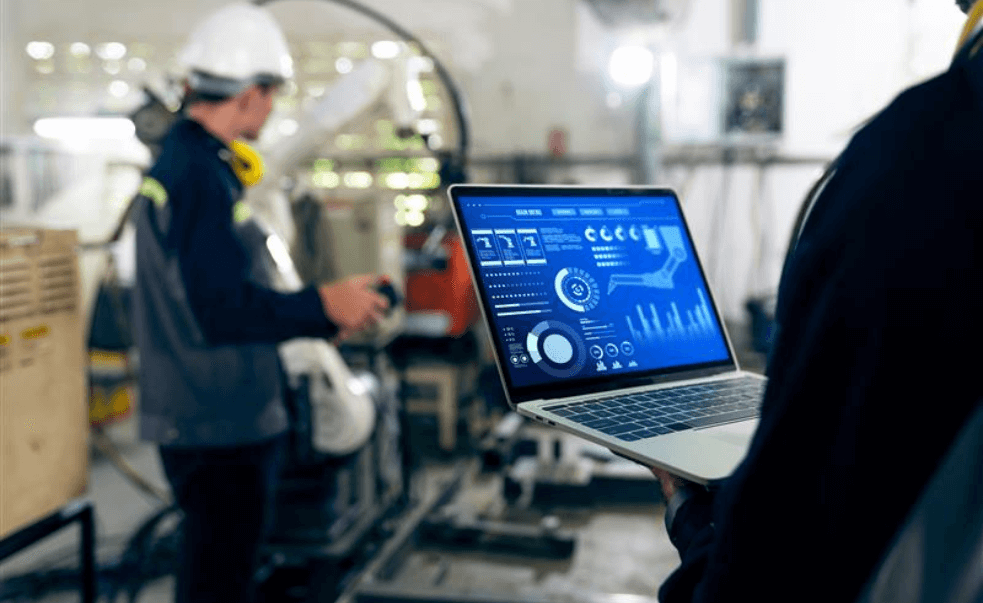
Azure IoT applications can change this by continuously collecting information from connected machines, sensors, equipment, and environments.
Sensors can monitor equipment operating conditions, temperature, humidity, machine performance, energy consumption, asset location, and production conditions.
This information can then be analyzed and presented through dashboards or alerts, helping teams identify changes as they happen.
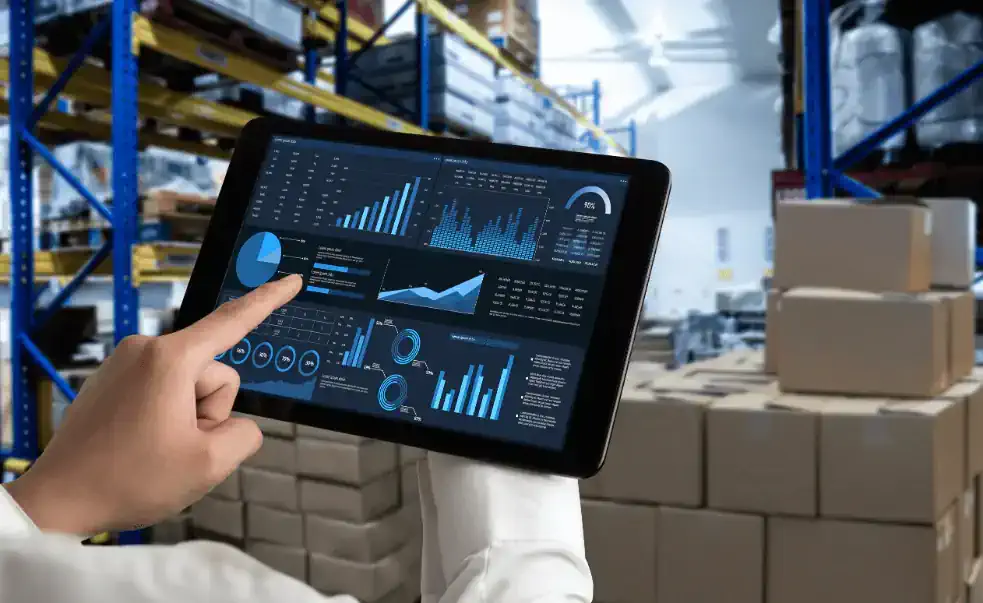
For example, a warehouse can use connected sensors to detect temperature changes and trigger an alert when conditions move outside an acceptable range. Similarly, industrial operations can monitor equipment conditions and respond to abnormal readings before they become larger operational problems.
The result: greater visibility, faster response, and better-informed operational decisions.
2. Support predictive maintenance
Equipment failure can lead to downtime, production delays, emergency repairs, and increased maintenance costs.
Azure IoT applications can collect machine data and combine it with analytics to identify patterns associated with equipment deterioration or abnormal performance.
Instead of relying entirely on fixed maintenance schedules, teams can use operational data to determine when equipment may require attention.
3. Improve inventory management
Inventory visibility becomes increasingly difficult as organizations manage multiple warehouses, locations, products, and distribution points.
IoT applications can provide real-time information about where assets and products are located and how they are moving through an operation.
Connected sensors and tracking technologies can help monitor stock movement, asset location, inventory levels, storage conditions, temperature, humidity, and product handling.
For temperature-sensitive products, for example, IoT sensors can monitor environmental conditions throughout storage and transportation.
This helps organizations identify issues earlier, reduce inventory losses, and improve the accuracy of inventory information.
When connected with analytics, this data can also reveal patterns in inventory movement and help teams make better decisions about replenishment and resource allocation.
4. Improve supply chain visibility
Supply chains involve multiple suppliers, warehouses, transportation routes, and delivery points. Limited visibility at any stage can make it difficult to identify delays or respond quickly to disruptions.
Azure IoT applications can provide greater visibility by connecting physical assets and shipments with digital systems.
A connected shipment can provide visibility into:
- LocationWhere the asset or shipment is currently located
- MovementHow it is progressing between facilities
- EnvironmentWhether temperature and other conditions remain within acceptable limits
- StatusWhether the shipment is progressing as expected
For example, a company transporting temperature-sensitive products can combine location and temperature data to understand not only where a shipment is, but also whether it has remained within the required environmental conditions.
The result is a more connected supply chain where teams can identify exceptions earlier and respond with better information.
5. Connect IoT data with business systems
IoT becomes more valuable when operational data does not remain isolated.
Organizations can connect IoT applications with systems such as ERP, CRM, analytics platforms, and other enterprise applications to create a broader view of business operations.
From device data to business decisions
- 1Connected devices
- 2Azure IoT
- 3Operational data
- 4Analytics and insights
- 5Business systems
- 6Action
A manufacturer, for example, could combine machine data with production information to understand equipment performance alongside production schedules.
A logistics organization could connect asset tracking information with business systems to improve shipment management.
This integration helps organizations move from simply collecting IoT data to actually using it to improve processes.
For businesses building this foundation, data analytics services can help turn large volumes of sensor and operational data into useful insights.
Azure IoT technologies behind these applications
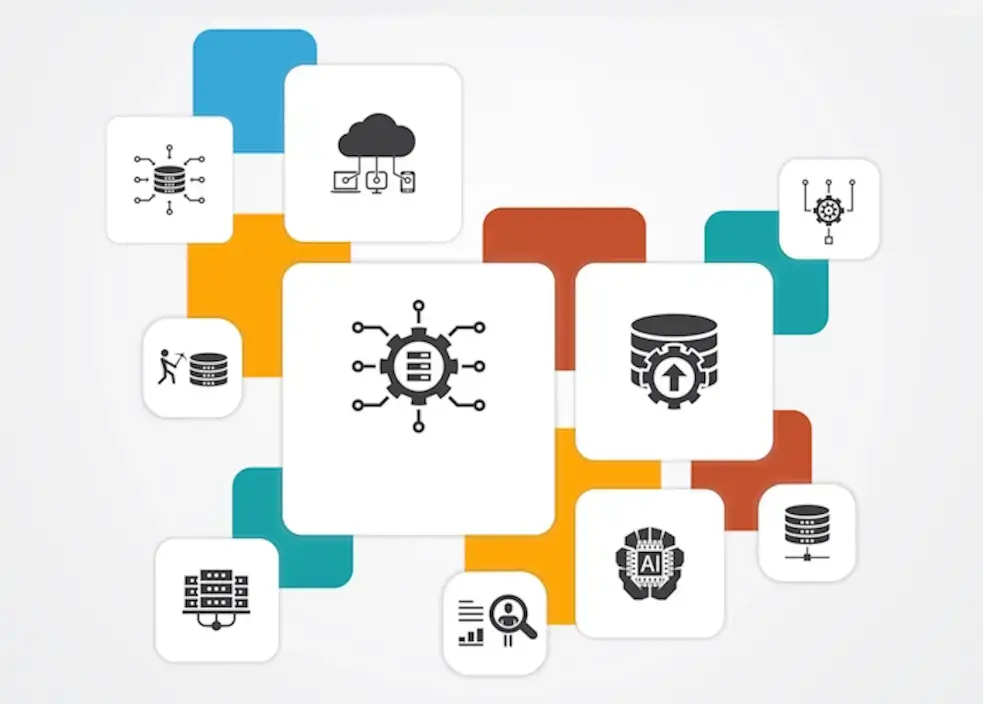
The value of an IoT application depends not only on the sensors being deployed, but also on how data is connected, processed, secured, and used.
Azure provides several technologies that support different parts of an IoT solution.
Azure IoT Hub
Azure IoT Hub provides a central cloud service for connecting, managing, and communicating with IoT devices.
It supports bidirectional communication, device management, monitoring, and integration with other Azure services.
For organizations managing connected assets at scale, IoT Hub can provide the communication layer needed to bring device data into a broader IoT architecture.
Azure IoT Edge
Not every IoT decision needs to happen in the cloud.
Azure IoT Edge allows data processing and workloads to run closer to connected devices. This can reduce the amount of data sent to the cloud and support faster responses where local processing is important.
This can be particularly useful for industrial environments where latency, connectivity, or local decision-making requirements matter.
Azure Digital Twins
Azure Digital Twins can create digital representations of physical environments and the relationships between assets.
IoT data can be used to keep these representations updated, helping organizations understand how physical assets and environments interact.
This can support applications involving facilities, industrial environments, equipment, and connected infrastructure.
Together, these technologies provide the foundation for connected applications that monitor assets, process operational data, and support more informed decisions.
From Connected Devices to Smarter Operations
The real value of Azure IoT begins when connected data becomes part of everyday operational decision-making.
A machine sensor can signal that equipment is operating outside normal conditions. A warehouse sensor can flag an unexpected temperature change. A connected shipment can provide visibility into its location and environmental conditions.
On their own, these signals are useful. When connected to analytics, workflows, and business systems, they can trigger the right action at the right time.
This creates a shift from monitoring what happened to understanding what is happening and what needs to happen next.
Conclusion
Azure IoT applications can help organizations move from reactive operations toward connected, data-driven decision-making.
From real-time monitoring and predictive maintenance to inventory management, supply chain visibility, and enterprise integration, IoT can connect operational data with the actions that matter to the business.
The opportunity is not simply to collect more data. It is to use connected data to identify problems earlier, improve processes, reduce operational disruption, and make better decisions.
With the right IoT consulting, engineering, cloud, and analytics capabilities, organizations can build Azure IoT solutions that scale from an individual use case to a broader connected operations strategy.
Build Your Azure IoT Solution With Infysion
Connect your devices, data, and operations with scalable IoT solutions designed around your business goals.
Explore IoT consulting and engineering services with Infysion.FAQs
What is Azure IoT?
Azure IoT is a collection of Microsoft cloud services, edge components, and SDKs used to connect, monitor, manage, and control IoT devices and assets at scale.
How can Azure IoT improve operational efficiency?
Azure IoT can improve operational efficiency by providing real-time visibility, supporting predictive maintenance, improving inventory tracking, increasing supply chain visibility, and connecting operational data with business systems.
What is Azure IoT Hub used for?
Azure IoT Hub acts as a central communication service for IoT solutions, allowing organizations to connect and manage devices and exchange data between devices and cloud applications.
What is the role of Azure IoT Edge?
Azure IoT Edge allows workloads and data processing to run closer to devices. This can reduce data sent to the cloud and support faster local responses.
Can Azure IoT integrate with existing business systems?
Yes. Azure IoT solutions can be integrated with other Azure services and enterprise applications, allowing operational data to contribute to analytics, business processes, and decision-making.
How should a business start an Azure IoT project?
Start by defining a specific operational problem and measurable business objective. Then identify the assets, data, connectivity, architecture, analytics, and integration requirements needed to address it.