











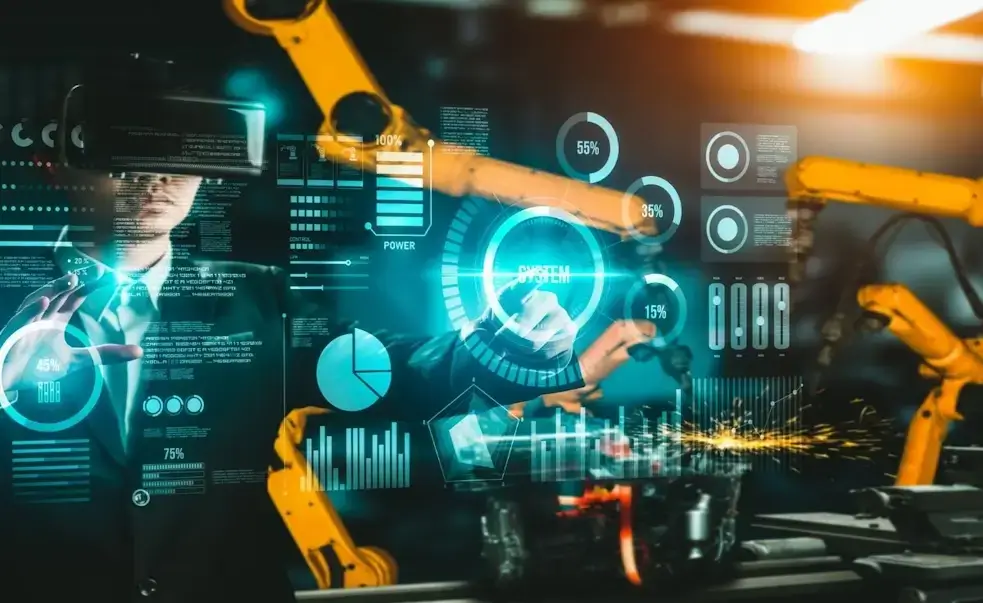
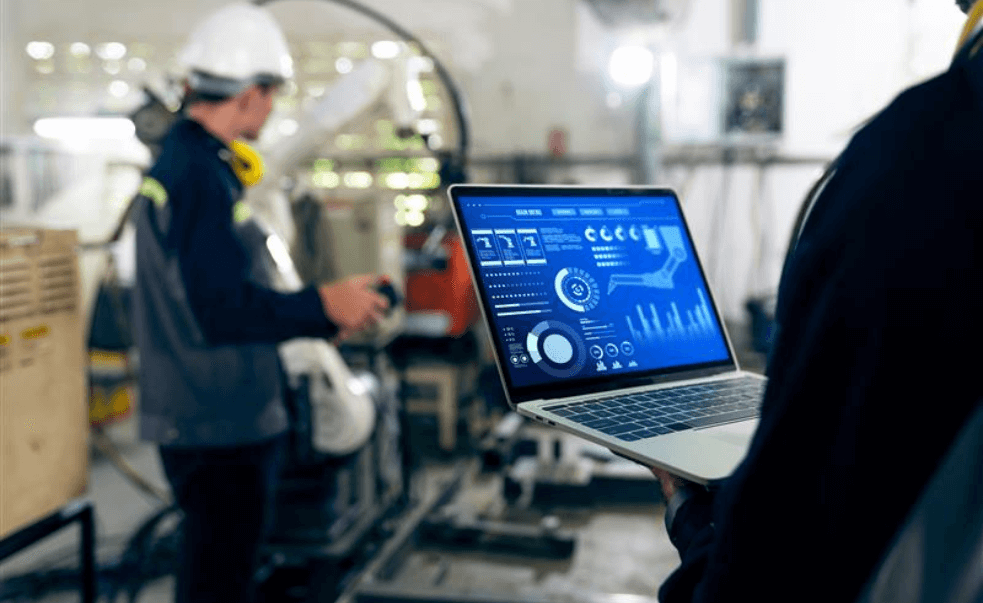






















Manufacturing operations generate data from almost every part of the production environment. Machines produce sensor readings, ERP and MES platforms capture operational information, and connected systems continuously add new data.
The challenge is turning all of this information into something useful. Azure Synapse Analytics brings data engineering, data warehousing, big data analytics, and business intelligence capabilities together in a unified environment. For manufacturers, this can create a foundation for combining IoT data with operational information and using it to monitor equipment, understand performance, and support predictive maintenance.
Why Remote Monitoring Matters in Manufacturing
Manufacturing equipment does not operate in isolation.
A single production facility may have hundreds or thousands of sensors generating information about temperature, vibration, pressure, energy consumption, equipment status, and production activity.
At the same time, ERP and MES systems contain information about production schedules, maintenance activities, inventory, and other business processes.
When these data sources remain disconnected, teams may struggle to understand the full picture. Remote monitoring creates a more connected view of operations. Instead of relying only on manual inspections or separate systems, teams can monitor equipment and production conditions using data collected from across the facility.
How Azure Synapse Supports Connected Manufacturing
Azure Synapse can serve as an analytics layer for bringing different types of manufacturing data together. A simplified flow looks like this:
- Machines & Sensors
- IoT Connectivity
- Data Lake
- Synapse
- Analytics & AI
- Dashboards & Actions
Each component contributes to the overall architecture.
Connect Equipment and Data Sources
IoT sensors can capture information from manufacturing equipment such as motors, pumps, conveyors, and production machines.
Other sources can include:
- ERP systems
- Manufacturing Execution Systems
- Operational databases
- External APIs
- Environmental data
Azure services such as Azure IoT Hub and Azure Data Factory can help bring different data sources into the broader data environment.
Store Manufacturing Data
Manufacturing data can be stored in Azure Data Lake Storage Gen2, providing a central location for raw and processed information.
This is particularly useful when organizations need to work with large volumes of sensor and operational data over time.
Historical data can then be combined with more recent information for analysis and reporting.
Process and Analyze the Data
Azure Synapse provides tools for querying, transforming, and analyzing data.
Teams can use SQL-based analytics and Spark-based processing depending on the type and scale of the workload.
For example, sensor data can be cleaned and aggregated to identify patterns in machine temperature, vibration, energy consumption, or operating conditions.
The goal is to move from isolated readings to a broader understanding of equipment and production performance.
Using Analytics for Predictive Maintenance
One of the most valuable applications of connected manufacturing data is predictive maintenance. Consider a motor whose vibration levels gradually increase over time.
On its own, a single sensor reading may not provide enough information to determine whether there is a problem. But when vibration data is analyzed alongside temperature, operating conditions, equipment history, and previous maintenance records, a more useful pattern can emerge. Machine learning models can then be used to identify potential equipment anomalies and support maintenance planning.
A typical flow is:
This allows maintenance teams to investigate potential issues before they become major operational disruptions.
From Manufacturing Data to Real-Time Visibility
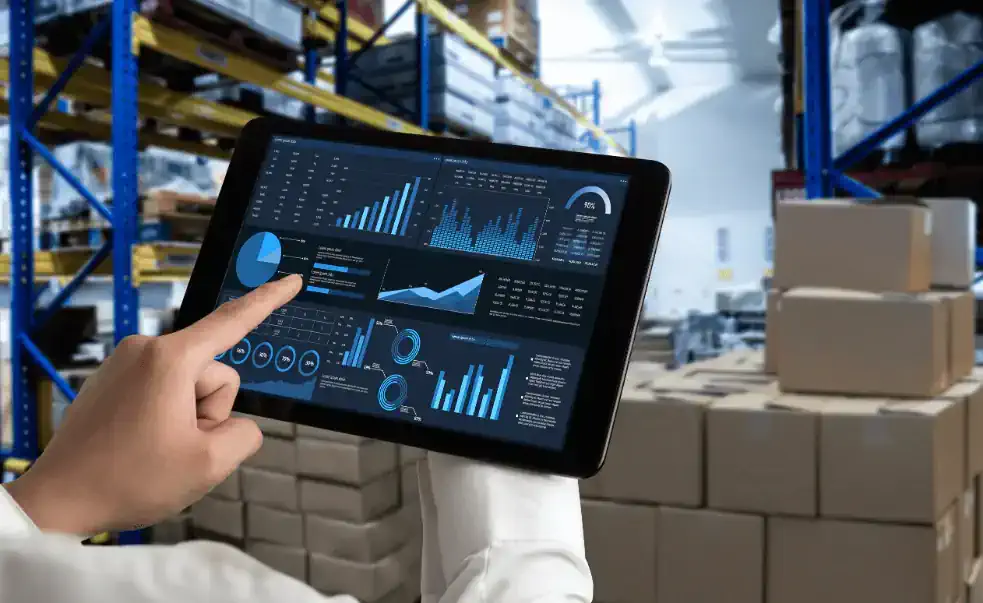
Analytics becomes much more useful when operational teams can easily see the results. Power BI can be used to create dashboards that bring manufacturing information into a visual interface. Depending on the business requirements, dashboards can show:
- Equipment status
- Temperature and vibration trends
- Energy consumption
- Production performance
- Maintenance alerts
- Equipment-level anomalies
- Performance across multiple facilities
For distributed manufacturing operations, this can provide managers and maintenance teams with a centralized view without requiring them to be physically present beside every machine.
A Practical Remote Monitoring Architecture
A manufacturing remote monitoring environment can be organized into five layers:
IoT sensors, machines, ERP, MES, and external data generate operational information.
IoT and data integration services move information into the analytics environment.
Azure Data Lake provides a scalable foundation for storing raw and processed information.
Azure Synapse can support data transformation, querying, analytics, and integration with machine learning workflows.
Power BI and other application interfaces present insights to operations, maintenance, and management teams.
This architecture can be expanded as organizations add more machines, facilities, data sources, or analytical use cases.
Key Benefits for Manufacturers
Proactive Maintenance
Equipment data can help identify abnormal conditions and support earlier maintenance decisions.
Better Energy Visibility
Monitoring energy consumption across machines and facilities can help identify inefficient operating patterns.
Faster Decision-Making
Combining real-time information with historical data gives teams a stronger basis for operational decisions.
Centralized Monitoring
Managers can monitor equipment and operational performance across multiple locations through connected dashboards.
Scalable Data Architecture
A cloud-based data platform can support growing volumes of sensor and operational information as connected manufacturing expands.
Building a Connected Manufacturing Data Foundation
Remote monitoring is not simply about putting sensors on machines or creating another dashboard.
The real value comes from connecting equipment data, operational systems, analytics, and business decisions.
Azure Synapse can provide an important part of this foundation by bringing data engineering, analytics, and warehousing capabilities into a connected environment.
For manufacturers, the starting point can be a focused use case such as equipment monitoring, energy analysis, or predictive maintenance. Once the architecture and workflows are validated, the same foundation can be expanded across additional assets and facilities.
Build a Smarter Manufacturing Data Strategy
Infysion helps businesses connect IoT, cloud, data analytics, and AI to create more connected manufacturing operations. From remote equipment monitoring to predictive analytics and operational dashboards, the right data architecture can help manufacturers turn machine-generated data into actionable business intelligence.
Contact usFAQs
What is Azure Synapse used for in manufacturing?
Azure Synapse can help manufacturers integrate, process, store, and analyze large volumes of operational and IoT data for use cases such as remote monitoring, predictive maintenance, and performance analysis.
Can Azure Synapse work with IoT data?
Yes. Manufacturing architectures can integrate IoT data with Azure data and analytics services, allowing sensor information to be combined with historical and operational data.
Can Azure Synapse support predictive maintenance?
Azure Synapse can support the data preparation and analytics required for predictive maintenance workflows. Machine learning capabilities can then be incorporated to identify patterns and potential equipment issues.
How does Power BI fit into the architecture?
Power BI can visualize processed manufacturing data through dashboards and reports, giving operations and maintenance teams visibility into equipment and production performance.
Does remote monitoring require replacing existing manufacturing systems?
Not necessarily. A connected data architecture can integrate information from existing equipment, ERP systems, MES platforms, and other sources, depending on their connectivity and integration capabilities.