
































Utility operations are becoming increasingly connected.
Smart meters, sensors, distributed energy assets, customer platforms, and operational systems continuously generate information that utilities need to collect, manage, and act on. Traditional infrastructure can make it difficult to bring this information together and make it available to the right teams at the right time.
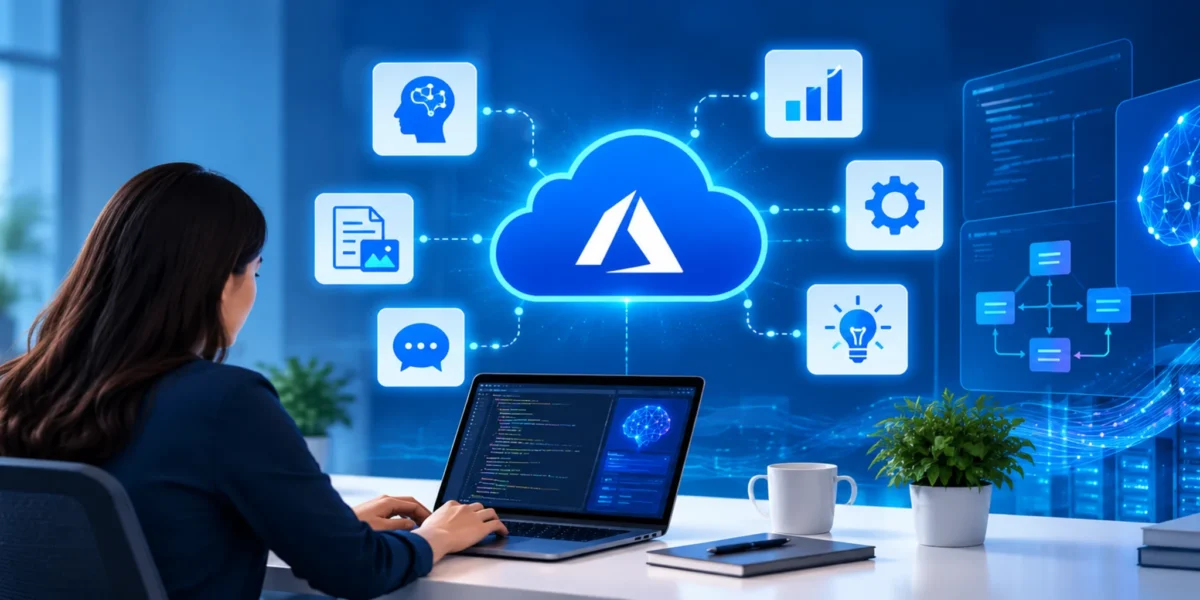
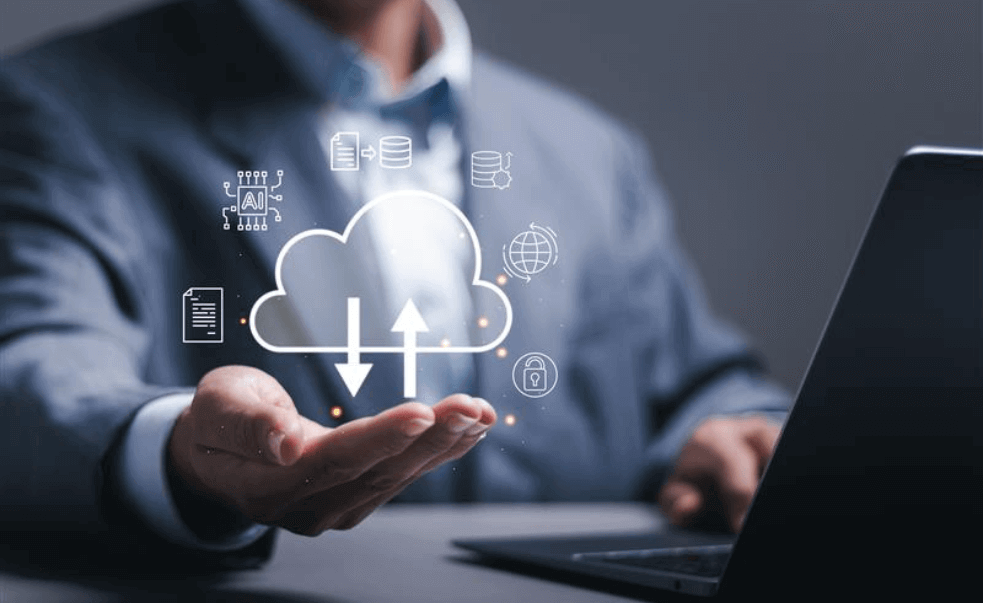
Cloud-based solutions for utilities provide a flexible foundation for managing this growing technology environment. By connecting cloud platforms with IoT, analytics, and operational systems, utilities can improve visibility, support remote operations, and build a stronger foundation for digital transformation.
Why Cloud Is Becoming Important for Utilities
Utilities manage large and increasingly distributed environments. Information may come from smart meters, field equipment, sensors, customer systems, and operational applications. A cloud environment can provide a common foundation for storing, processing, accessing, and integrating this information. Instead of relying entirely on fixed infrastructure, utilities can create technology environments that are more adaptable to changing data volumes, applications, and operational requirements.
The value of cloud therefore goes beyond moving servers or applications. It is about creating a foundation for more connected utility operations.
5 Benefits of Cloud-Based Solutions for Utilities
Better Management of Operational Data
Utilities generate significant amounts of information from infrastructure, meters, sensors, and business systems. Cloud platforms can provide scalable environments for storing operational and historical data while making information accessible across relevant teams.
With better access to data, utility teams can make more informed decisions about infrastructure, maintenance, and operations.
More Responsive Operations
Cloud-connected systems can make operational information accessible beyond individual locations. For utilities managing distributed infrastructure, this can support faster access to information about energy systems, equipment, and operational conditions.
Teams can use cloud-based applications to:
- Monitor infrastructure
- Investigate issues
- Access relevant information remotely
This is particularly useful when field teams need information without having to rely on physical access to individual systems.
Remote Monitoring and Predictive Maintenance
Remote monitoring becomes more valuable when connected assets continuously generate operational data. IoT devices can capture information from infrastructure and equipment, while cloud platforms provide an environment for storing and processing that information. Analytics can then help identify unusual conditions or potential maintenance requirements.
This creates an operational flow:
- Connected Assets
- IoT
- Cloud
- Analytics
- Maintenance Decisions
Rather than relying only on scheduled inspections or reactive responses, utilities can use asset data to support more proactive maintenance strategies.
Greater Scalability and Cost Flexibility
Utility technology requirements can change as:
Cloud infrastructure allows computing and storage resources to be adjusted according to changing requirements. This can reduce dependence on maintaining entirely physical infrastructure and provide greater flexibility as utility operations evolve.
The actual cost impact depends on factors such as existing infrastructure, usage, architecture, and implementation strategy. The broader advantage is flexibility rather than a guaranteed reduction in technology costs.
A Foundation for Digital Transformation
Cloud environments can connect with technologies such as IoT, artificial intelligence, machine learning, and data analytics.
This allows utilities to build capabilities around
- Smart metering
- Energy forecasting
- Asset monitoring
- Operational analytics
- Predictive maintenance
- Connected applications
Cloud therefore becomes an enabling layer for broader digital initiatives rather than an isolated infrastructure decision.
Cloud-Based Utility Use Cases
The benefits become more tangible when applied to specific operational needs.
Smart Metering
Connected meters can generate consumption information that can be stored and analyzed through cloud platforms. Utilities can use this data to understand usage patterns, support forecasting, and improve customer visibility.
Remote Infrastructure Monitoring
Cloud-connected systems can provide centralized access to information from distributed infrastructure, helping teams monitor equipment and operational conditions across different locations.
Energy Management
Combining cloud platforms with connected energy data and analytics can help utilities understand consumption patterns, identify inefficiencies, and support more informed energy management.
Predictive Maintenance
Operational data from connected equipment can be analyzed to identify potential problems and prioritize maintenance before equipment failure affects operations.
Operational Reporting and Analytics
Bringing information from different systems into a connected data environment can make it easier to analyze historical trends, monitor performance, and support operational planning.
How Cloud and IoT Work Together
Cloud technology becomes particularly valuable when combined with connected infrastructure.
The result is a connected operational model:
- Connected Assets
- Real-Time Data
- Cloud
- Analytics
- Operational Insights
This architecture can support more proactive approaches to asset management, energy operations, maintenance, and planning.
What Should Utilities Consider Before Moving to the Cloud?
Cloud adoption should be connected to business and operational objectives rather than treated simply as an infrastructure migration.
Utilities should evaluate
Identify legacy systems that need to remain in place and determine where modernization is appropriate.
Define what information needs to be collected, stored, integrated, analyzed, and accessed.
Consider access controls, data protection, network security, and the requirements of connected operational systems.
Plan how cloud platforms will interact with existing applications, IoT devices, operational technology, and data sources.
Consider future growth in connected assets, applications, and data volumes.
Establish what the investment should improve, such as operational visibility, remote monitoring, efficiency, or decision-making.
From Cloud Adoption to Connected Utility Operations
The objective of adopting cloud-based solutions for utilities is not simply to move existing systems away from on-premises infrastructure. The larger opportunity is to create a connected technology foundation that brings together operational data, IoT, analytics, and digital applications.
When these capabilities work together, utilities can move from:
That shift can help utilities manage increasingly complex infrastructure while preparing for future digital initiatives
Build a More Connected Utility Environment
Infysion helps organizations explore cloud, IoT, data, and digital engineering capabilities for utility environments. From cloud strategy and application development to connected operational solutions and analytics, the focus is on creating technology foundations aligned with business and operational priorities.
Explore Cloud Consulting Services, Cloud Application Development, and Industrial IoT Consulting Services to support your utility’s digital transformation journey.
FAQs
What are cloud-based solutions for utilities?
Cloud-based solutions use cloud infrastructure and applications to store, process, integrate, and access utility data and operational systems.
How can cloud technology help utilities?
Cloud technology can improve data management, remote monitoring, scalability, operational visibility, and integration with IoT, analytics, and AI capabilities.
Can cloud and IoT work together for utilities?
Yes. IoT devices can collect data from connected infrastructure, while cloud platforms can store and process that information for analytics, monitoring, and operational decision-making.
Is moving utility systems to the cloud enough for digital transformation?
Not necessarily. Cloud adoption creates an enabling foundation, but utilities also need effective data management, integration, security, analytics, and operational processes to realize broader transformation benefits.
How should a utility start its cloud journey?
Utilities should begin by identifying business and operational priorities, assessing their existing technology environment, and selecting high-value workloads or use cases for modernization.