















Manufacturers today face increasing pressure to improve productivity, reduce costs, respond to changing demand, and operate more sustainably.
However, many still rely on manual processes, disconnected systems, and limited visibility across production operations. Digital solutions are helping manufacturers move beyond traditional processes by connecting equipment, people, applications, and data. For mid-sized manufacturers, this creates opportunities to modernize operations without replacing every existing system.
Why Manufacturing Needs Digital Modernization
Traditional manufacturing systems were not designed for today’s demand for real-time visibility and operational flexibility.
Common challenges include:
- Manual workflows that slow down production.
- Data scattered across disconnected systems.
- Reactive equipment maintenance.
- Delayed quality issue detection.
- Limited visibility across production operations.
Digital modernization helps address these gaps by making operational information more accessible and actionable.
5 Digital Solutions Transforming Manufacturing Operations
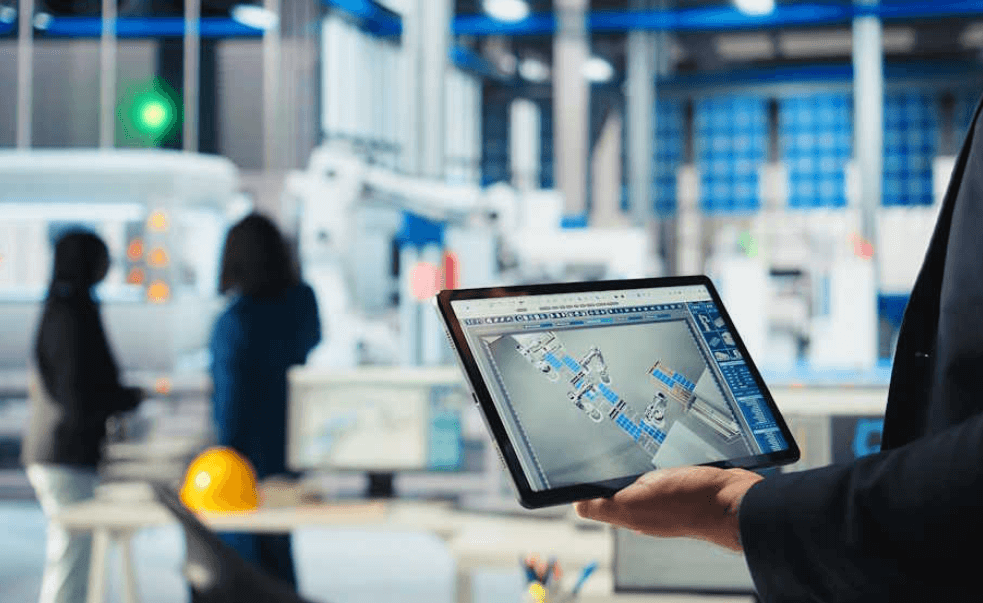
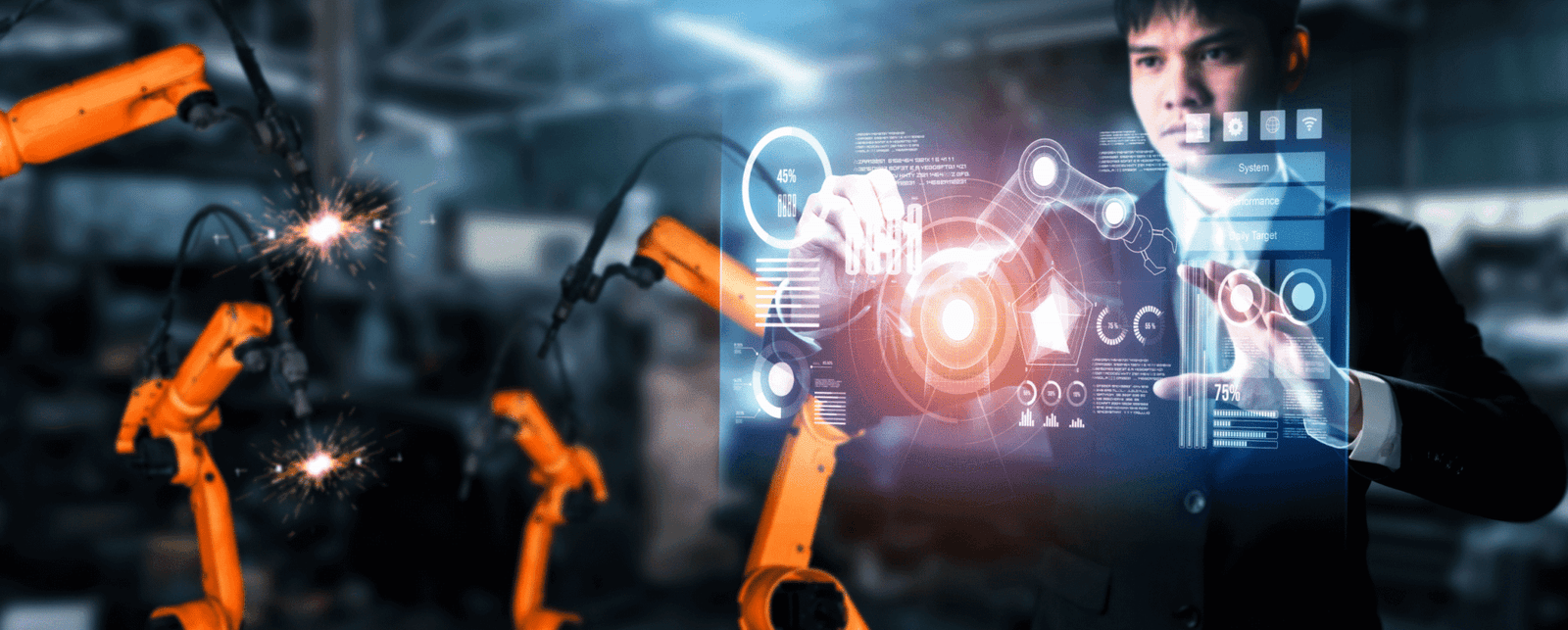
Industrial IoT: Connecting the Factory Floor
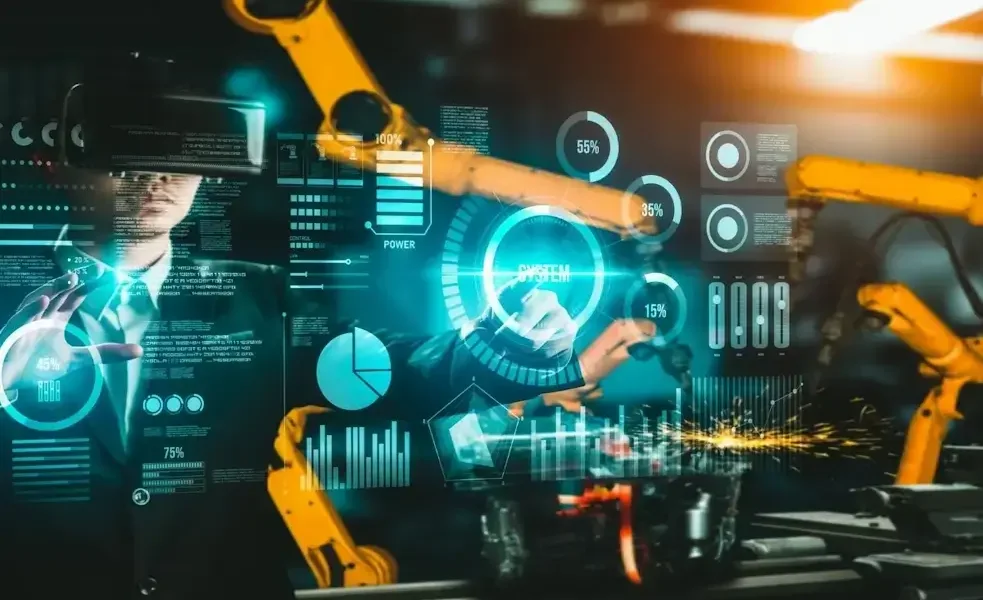
Industrial IoT (IIoT) connects machines, equipment, and sensors to provide real-time operational data.
Manufacturers can use it to monitor machine health, track production, identify unusual operating conditions, measure energy consumption, and generate maintenance alerts.
This improves equipment visibility and helps teams identify potential issues earlier.
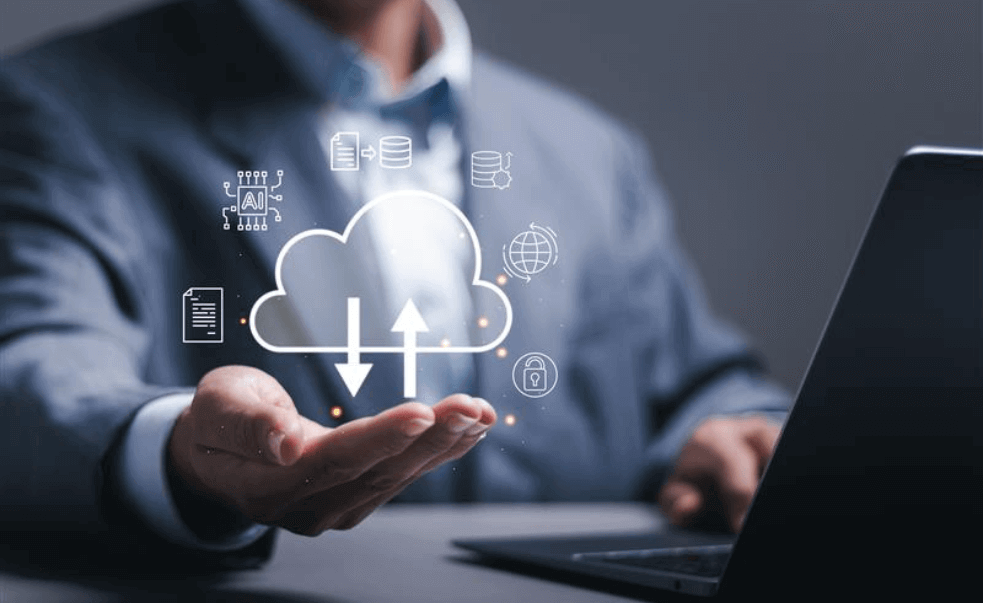
Cloud Platforms: Connecting Business Operations
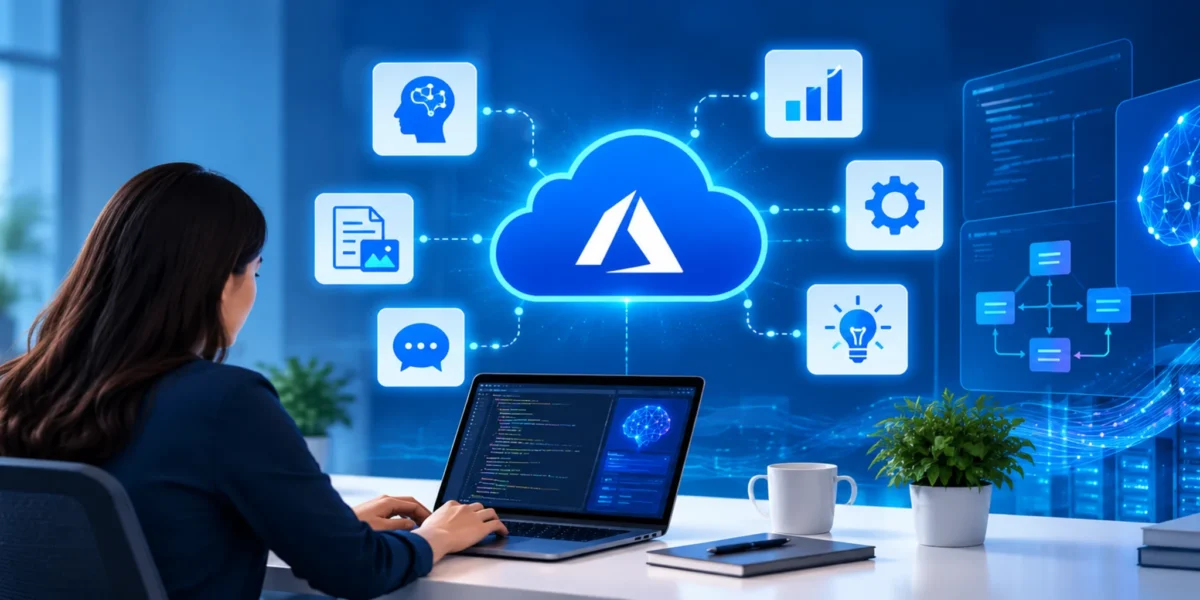
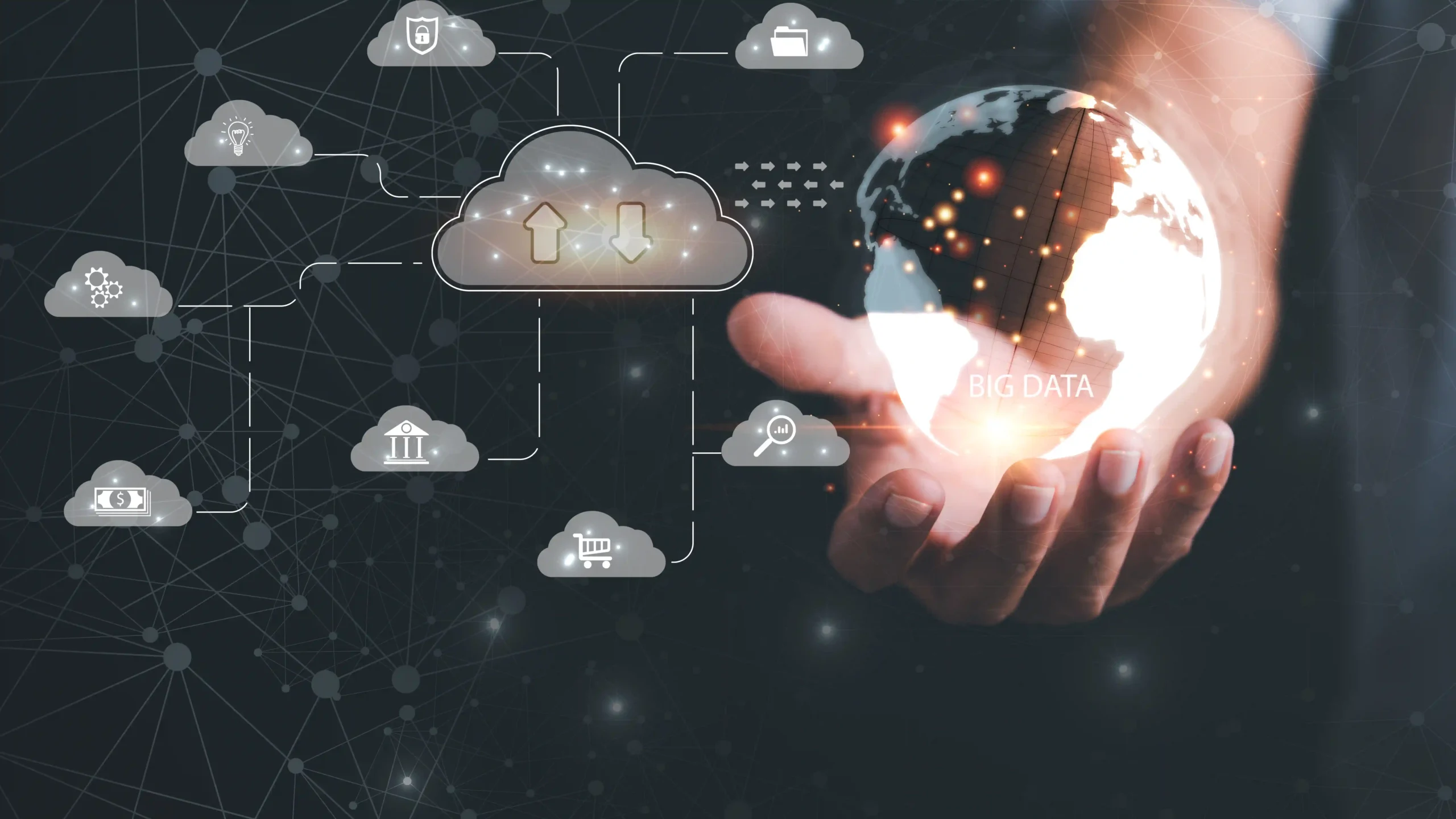
Cloud platforms help manufacturers centralize information from different facilities, production lines, and business systems.
They support unified dashboards, centralized reporting, cross-team collaboration, and integration with ERP and MES applications.
This creates a more connected environment where teams can access operational information and make informed decisions.
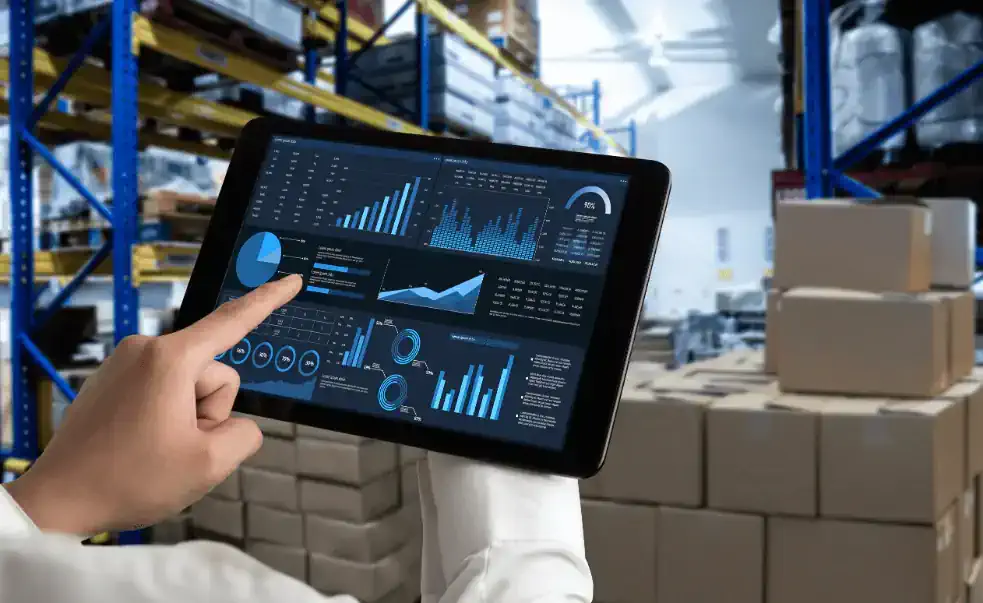
Data Analytics and AI: Turning Data Into Insights
Collecting data is only the beginning. Analytics and AI help manufacturers identify patterns and understand operational performance.
Applications include predictive maintenance, production optimization, quality analysis, and demand forecasting.
By analyzing equipment and production data, manufacturers can identify inefficiencies and make better operational decisions.
Digital Workflows: Reducing Manual Processes
Paper-based quality records, maintenance checklists, and production logs can create delays and errors.
Digital workflows replace these processes with accessible applications and standardized records.
Manufacturers can digitize quality inspections, maintenance activities, production logs, and work instructions, improving traceability and information availability.
Sustainability and Energy Monitoring
Digital monitoring solutions help manufacturers track energy consumption, water usage, emissions, and material waste.
By identifying inefficient processes and equipment-level consumption patterns, businesses can make better resource management decisions and support sustainability reporting.
How Digital Modernization Improves Manufacturing
These technologies create greater impact when connected rather than implemented independently. For example, IoT sensors capture machine data, cloud platforms make it accessible, and analytics identify performance issues. Maintenance teams can then respond to alerts while managers monitor production through unified dashboards.
- IoT sensorscapture machine data
- Cloud platformsmake it accessible
- Analyticsidentify performance issues
- Maintenance teamsrespond to alerts
- Managersmonitor production through unified dashboards
This connected approach supports:
Earlier identification of equipment issues.
Better production planning and resource allocation.
More consistent digital inspection records.
Connected operational information.
Improved monitoring of energy and material usage.
Moving From Pilot Projects to Scalable Solutions
Digital modernization does not require transforming an entire factory at once.
A practical approach includes:
- Identify operational gapsFind processes where manual work or limited visibility creates problems.
- Prioritize a use caseStart with machine monitoring, quality tracking, or energy management.
- Connect existing systemsIntegrate relevant equipment, applications, and data sources.
- Build and testDevelop a focused solution around business requirements.
- Measure and expandEvaluate results and scale successful initiatives.
The focus should be on solving business problems rather than adopting technology without a clear purpose.
How Infysion Supports Manufacturing Modernization
Infysion helps manufacturers develop connected digital environments through:
- Industrial IoT and equipment integration.
- Cloud-based application development.
- Data analytics and operational dashboards.
- Digital workflow and process automation.
- Connected monitoring and reporting solutions.
Our focus is on building practical, scalable solutions that work with existing manufacturing infrastructure.
Build More Connected Manufacturing Operations
Digital modernization is about connecting equipment, systems, people, and data to create more responsive manufacturing operations. With the right combination of Industrial IoT, cloud, analytics, and automation, manufacturers can improve operational visibility and build a stronger foundation for future growth.
Looking to modernize your manufacturing operations? Explore Infysion’s Industrial IoT Consulting Services, IoT Engineering Services, and Data Analytics Services.
Explore Industrial IoT ConsultingFAQs
What are digital solutions in industrial manufacturing?
They include Industrial IoT, cloud platforms, analytics, AI, and automation technologies that help manufacturers improve operational visibility and efficiency.
How does digital transformation improve manufacturing?
It helps monitor equipment, identify inefficiencies, improve quality tracking, automate manual processes, and support better decisions.
Can mid-sized manufacturers adopt digital solutions?
Yes. They can start with focused projects such as machine monitoring, digital quality records, or operational dashboards and expand gradually.
What role does Industrial IoT play in manufacturing?
Industrial IoT connects machines and equipment to collect operational data, monitor performance, and support maintenance and production decisions.