




















Legacy systems have powered manufacturing operations for decades. But systems built for stability are not always designed for today’s need for speed, visibility, integration, and data-driven decision-making.
For mid-sized manufacturers, the answer is not necessarily to replace everything. A more practical approach is to modernize incrementally, connecting existing systems with IoT, cloud applications, analytics, and digital workflows.The goal is simple: create connected operations without disrupting the systems and processes that already keep the business running.
Why Legacy Systems Are Becoming a Problem
Many manufacturers still depend on:
- On-premise ERPs
- Spreadsheets
- Paper-based quality processes
- Older databases
These systems may still perform their original functions, but they can create limitations as operations become more complex.
WHERE THE LIMITS SHOW UP
No real-time data
Without real-time data, teams may rely on delayed reports to make production decisions.
Siloed systems
Siloed systems can create manual handoffs between production, quality, maintenance, and inventory teams.
Older integrations
Older integrations can also make it difficult to connect machines and business systems with modern cloud or IoT platforms.
The result is often more manual work, slower decisions, and limited visibility across the operation.
What Does Smart Manufacturing Look Like?
Smart manufacturing is not simply about installing new technology. It is about creating better connections between machines, people, data, and business processes.
A connected manufacturing environment can enable teams to:
These capabilities give teams better visibility into what is happening on the shop floor and help them respond faster.
Why Mid-Sized Manufacturers Struggle to Modernize
For a mid-sized manufacturer, digital transformation can feel risky. Production cannot simply stop while new systems are introduced, and replacing a long-standing ERP or operational platform can be expensive.
Common concerns include:
Modern solutions can be introduced alongside existing systems and rolled out incrementally.
DowntimeModernization does not always require ERP replacement. Integration layers can connect legacy platforms with newer applications and data sources.
ERPA modernization partner can support the process from assessment and architecture through implementation and ongoing optimization.
ResourcesThe first step should be identifying operational bottlenecks and prioritizing use cases based on business value.
First stepThe objective is not to modernize everything at once. It is to modernize what matters most.
A Practical Roadmap to Smart Manufacturing
- 1
Audit the Current Environment
Start by understanding the systems, machines, workflows, data sources, and bottlenecks across the operation.
Talk to the people using these systems every day. Their workarounds often reveal where technology is creating friction.
OutcomeA clear modernization roadmap connected to business priorities such as reducing downtime, improving production visibility, or increasing operational efficiency.
- 2
Connect the Most Important Assets
Once priorities are clear, connect the machines, equipment, and systems that can provide the most useful operational data.
IoT sensors, gateways, and cloud platforms can help bring equipment data into a more accessible environment without immediately replacing existing business systems.
This can give supervisors and operational teams real-time visibility while the existing ERP remains in place.
- 3
Digitize Manual Workflows
Paper-based processes and spreadsheets can create unnecessary delays and data-entry errors.
Manufacturers can gradually digitize areas such as:
- Work instructions
- Quality inspections
- Maintenance records
- Production reporting
- Approval workflows
Digitization creates a more consistent flow of information and makes operational data easier to access and analyze.
- 4
Build an Analytics Layer
Connected data becomes more valuable when teams can turn it into actionable information.
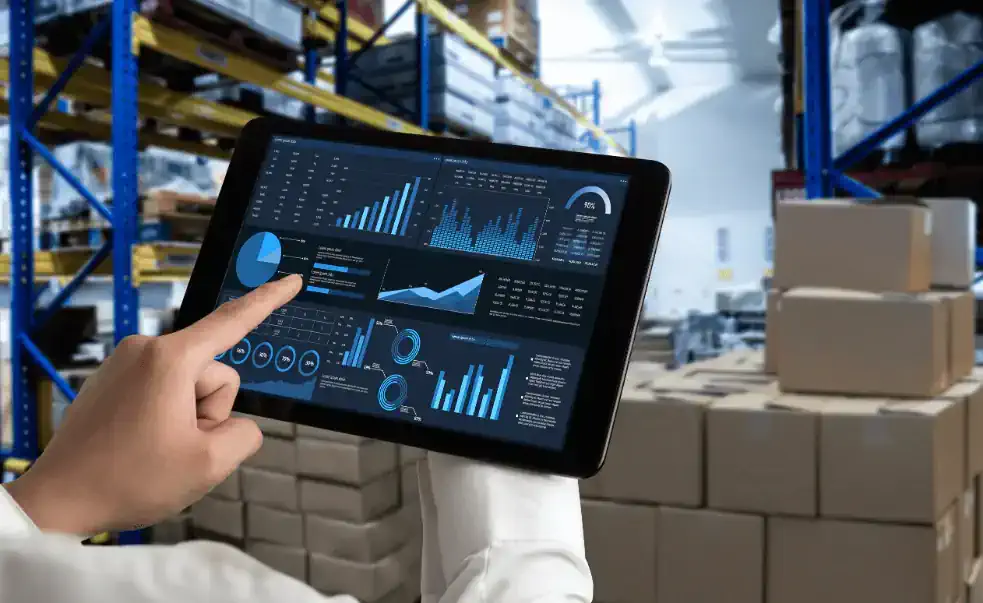
Production, quality, inventory, maintenance, and energy data can be brought together through analytics platforms and dashboards. Tools such as Power BI can provide role-specific views for leadership, supervisors, and shop-floor teams.
Instead of compiling information manually, teams can work from a shared view of operational performance.
- 5
Scale What Works
Once a modernization initiative demonstrates value, the same architecture can be extended to additional machines, processes, departments, or facilities.
Cloud applications, IoT platforms, analytics, and workflow automation can then become part of a broader connected manufacturing environment.
Legacy + Modern Technology Can Work Together
Digital transformation does not have to mean abandoning everything that already exists. A hybrid approach can allow manufacturers to keep valuable legacy systems while adding modern capabilities around them. For example:
- Machines
- IoT
- Data Platform
- Analytics
- Business Systems
- Teams
This approach can extend the useful life of existing investments while improving visibility and interoperability. It also reduces the risk of a large-scale technology replacement and allows manufacturers to demonstrate value through smaller initiatives before scaling.
What Smart Manufacturing Can Deliver
When technology is connected to operational priorities, manufacturers can move toward:
- Faster access to production information
- Better collaboration between teams
- More traceable quality data
- Less manual reporting
- Earlier visibility into equipment issues
- Better integration between machines and business systems
- An architecture that can support future growth
The real value of digital transformation is not the technology itself. It is the ability to make better operational decisions with less friction.
Modernize Manufacturing Without Disrupting Operations
For mid-sized manufacturers, the path to smart manufacturing does not need to begin with a complete technology overhaul.
That is how digital transformation becomes a practical business strategy rather than a large technology project.
Build a Smarter Manufacturing Environment With Infysion
Infysion helps manufacturers modernize existing environments through a combination of cloud applications, IoT integration, analytics, workflow automation, and modernization strategy.
The focus is on connecting technology to measurable operational needs while minimizing disruption to existing systems.
Ready to modernize your manufacturing operations? Explore how Infysion can help build a more connected, data-driven manufacturing environment.
Explore how Infysion can helpFAQs
What is digital transformation in smart manufacturing?
Digital transformation in smart manufacturing involves connecting machines, systems, people, and data to improve visibility, automation, decision-making, and operational efficiency.
Does smart manufacturing require replacing legacy systems?
No. Manufacturers can use a phased modernization approach where existing systems are integrated with IoT, cloud, analytics, and digital applications.
How can IoT support manufacturing digital transformation?
IoT can connect machines and equipment, capture operational data, and make that information available for monitoring, analytics, alerts, and other workflows.
Where should a manufacturer start with digital transformation?
Start by identifying a specific operational challenge, such as limited production visibility, manual quality processes, or equipment downtime. Then select a focused use case that can demonstrate measurable value.
Can mid-sized manufacturers adopt smart manufacturing gradually?
Yes. Incremental modernization allows manufacturers to address high-value use cases first and expand the connected environment over time.