




































Choosing an IoT development company is not the same as choosing a typical software development partner.
An IoT solution can involve devices, sensors, connectivity, cloud platforms, applications, analytics, security, and sometimes AI. That means the right partner needs to understand not only how to build the technology, but also how the different components work together and support your business goals. The wrong choice can result in integration problems, delays, security gaps, or a solution that becomes difficult to scale. The right partner, on the other hand, can help turn an IoT idea into a reliable and maintainable business solution.
Start With the Business Problem, Not the Technology
Before evaluating companies, be clear about what you want your IoT solution to accomplish.
What business problem are you trying to solve?
Which devices, machines, or assets need to be connected?
What data needs to be collected?
Do you need real-time monitoring or alerts?
Will the solution require analytics or AI?
What are your expected timeline and budget?
A clear scope makes it easier to identify partners with relevant capabilities and compare proposals on more than just cost.
Look for Experience Across the IoT Ecosystem
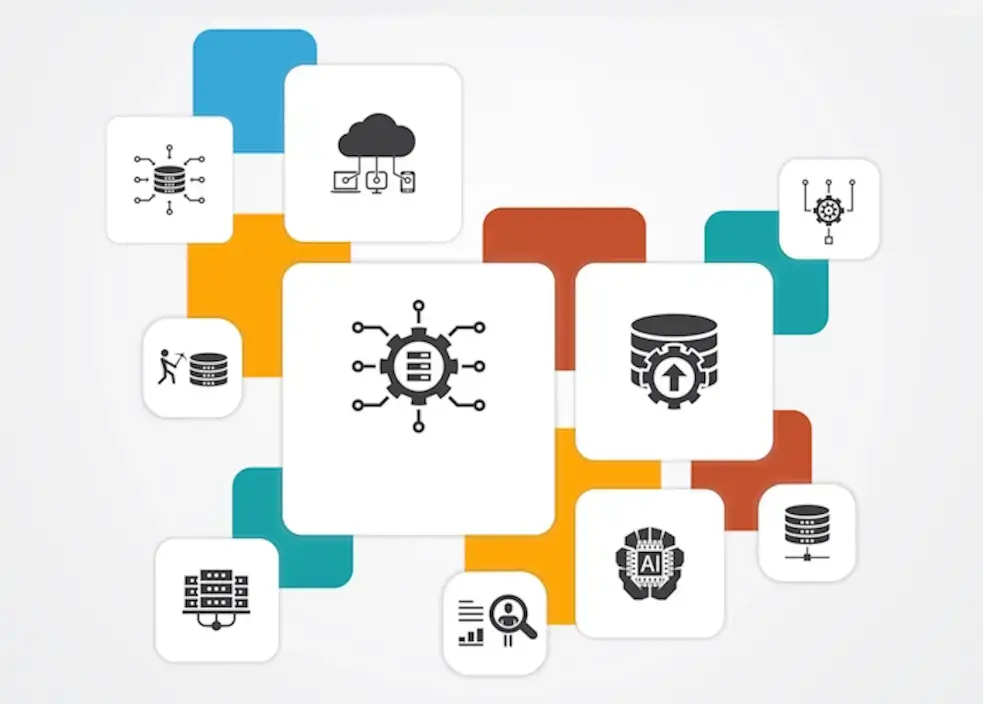
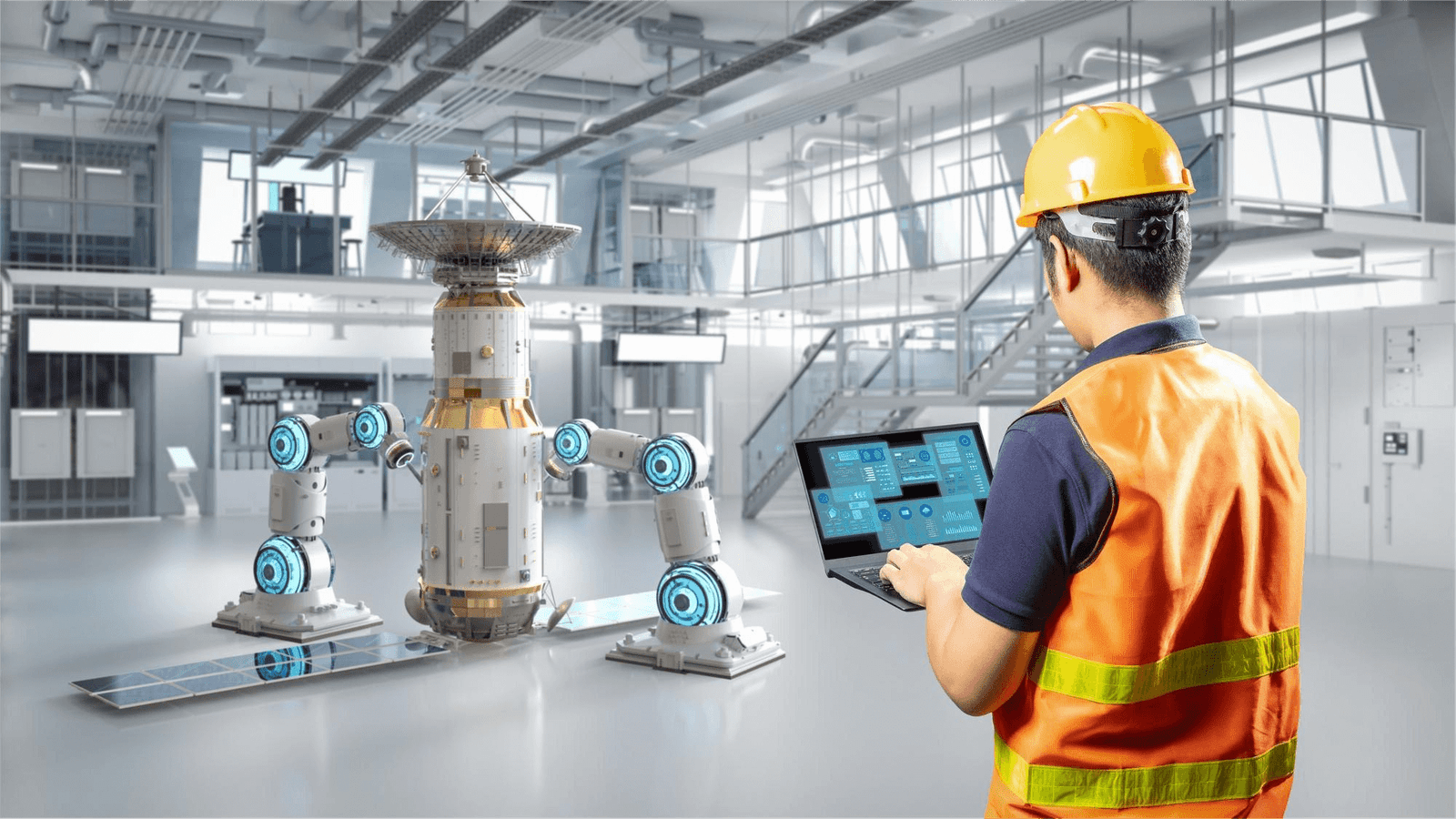
IoT development requires more than application development. Your partner may need to work across device connectivity, embedded systems, cloud infrastructure, data platforms, dashboards, and user applications.
Look for experience in areas such as:
The right technical mix depends on your project, so focus on whether the company can cover the complete architecture rather than simply having a long technology list.
Industry Experience Can Make a Difference
An IoT solution for a manufacturing plant will have very different requirements from one for utilities, energy, logistics, or healthcare. A development partner with relevant industry experience is more likely to understand:
- Operational workflows
- Existing systems and equipment
- Industry-specific requirements
- Data and security considerations
- The practical challenges of deploying connected solutions
Ask prospective partners about projects similar to yours, not just their overall number of IoT projects.
Understand How They Build and Collaborate
A strong technical team still needs a clear development process. Before selecting a partner, understand how they handle:
- 01Requirements and solution discovery
- 02Architecture and technology selection
- 03Prototyping and testing
- 04Changes in scope
- 05Project communication
- 06Demos and progress reviews
- 07Quality assurance
- 08Deployment and onboarding
IoT projects often involve dependencies between hardware, software, connectivity, and cloud systems. A structured process can help identify these issues earlier.
Security Should Be Part of the Architecture
IoT expands the number of connected endpoints in your environment, which makes security an important consideration from the beginning. Ask how the company approaches:
- Device authentication
- Data encryption
- Access controls
- Secure communication
- Device and firmware updates
- Cloud security
- Monitoring and incident response
Security should not be treated as something added just before deployment. It should be considered across the IoT architecture and development lifecycle.
Look Beyond the Initial Launch
An IoT solution does not end when the first version goes live. Devices may require updates, cloud environments may evolve, data volumes may increase, and your business may want to connect additional assets or introduce new capabilities.
Before signing a contract, understand what the partner offers for:
After launch
- Post-launch support
- Monitoring and maintenance
- Feature enhancements
- Device onboarding
- Scaling the architecture
- Long-term technical support
A development partner should be able to explain how the solution can evolve as your requirements change.
Evaluate Case Studies, References, and Ownership
Case studies can help you understand how a company approaches real-world IoT challenges. Look for examples that demonstrate technical complexity, integration requirements, and business outcomes. If possible, ask for client references and discuss their experience with communication, delivery, problem-solving, and post-launch support.
Also clarify ownership before development begins. This includes:
- Source code
- Documentation
- Intellectual property
- Data
- Access to relevant development environments
Compare Value, Not Just Pricing
IoT development costs can vary significantly depending on hardware, connectivity, integrations, application complexity, analytics, and support requirements. Whether the engagement uses fixed pricing, milestones, or another model, clarify:
- What is included in the scope
- How changes are priced
- Testing and deployment responsibilities
- Support after launch
- Third-party or infrastructure costs
- Ownership and licensing
The lowest proposal may not be the lowest-cost solution over its full lifecycle.
Questions to Ask an IoT Development Company
Before making a decision, ask:
Have you built solutions similar to ours?
How do you approach hardware and software integration?
Which IoT and cloud technologies do you recommend, and why?
How do you design security across the IoT stack?
How do you test connected devices and applications?
How do you handle device provisioning at scale?
Can the architecture support future integrations and analytics?
What support do you provide after deployment?
The quality of the answers can reveal as much as the company’s portfolio.
Common Mistakes to Avoid
A lower initial cost may create higher integration, maintenance, or scaling costs later.
Your IoT solution may need to work with ERP, CRM, MES, cloud, or other operational platforms.
Security requirements should influence architecture and development from the beginning.
Plan for device growth, new use cases, data volumes, and future integrations.
Past project experience can provide valuable insight into how a partner actually works.
Choose an IoT Partner for the Long Term
The right IoT development company should bring together technical expertise, industry understanding, security awareness, and a clear approach to collaboration.
- Technical expertise
- Industry understanding
- Security awareness
- A clear approach to collaboration
Instead of asking only, “Can they build our IoT application?”, consider a broader question: Can they help us build an IoT solution that works with our existing environment, delivers business value, and can evolve with us?
That perspective can help you choose a development partner based on long-term value rather than a short-term development quote.
Build IoT Solutions Around Your Business
Infysion helps businesses design and develop connected solutions across IoT engineering, application development, cloud integration, data analytics, and connected operations.
Explore IoT Application Development, IoT Engineering Services, and Industrial IoT Consulting Services to build an IoT environment aligned with your business requirements.
FAQs
What should I look for in an IoT development company?
Look for relevant industry experience, IoT architecture expertise, device and cloud integration capabilities, security practices, development processes, and long-term support.
How important is industry experience?
It can be highly valuable because IoT requirements vary significantly across industries, equipment, workflows, regulations, and operational environments.
Should an IoT development company provide post-launch support?
Yes. IoT solutions often require ongoing monitoring, updates, maintenance, device management, and future enhancements.
How can I compare different IoT development companies?
Compare their relevant experience, technical capabilities, development approach, security practices, references, support model, ownership terms, and total project value rather than pricing alone.
Can an IoT solution be scaled after launch?
Yes. Scalability should be considered during architecture and development so that additional devices, users, data, integrations, and use cases can be added without redesigning the entire solution.