















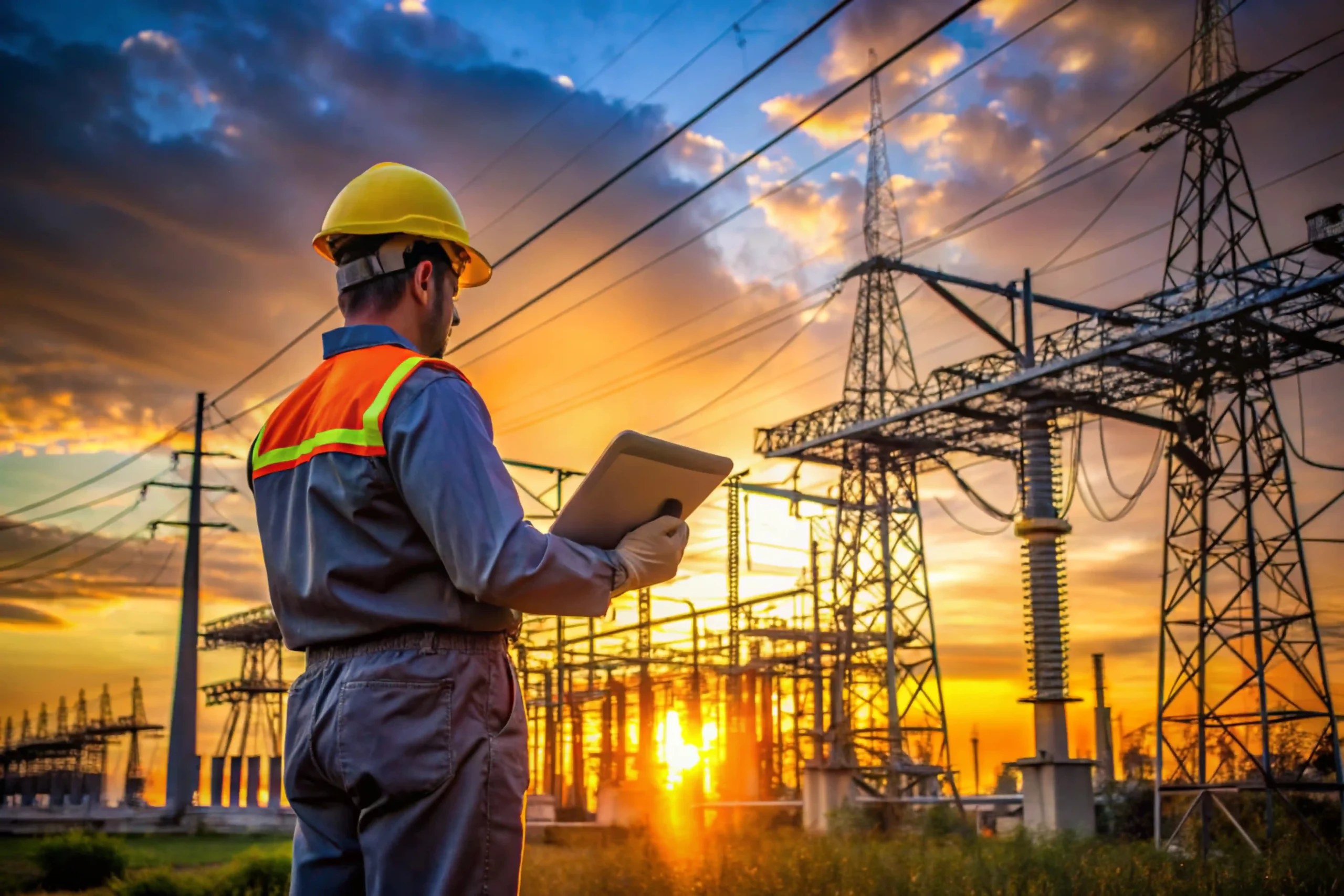



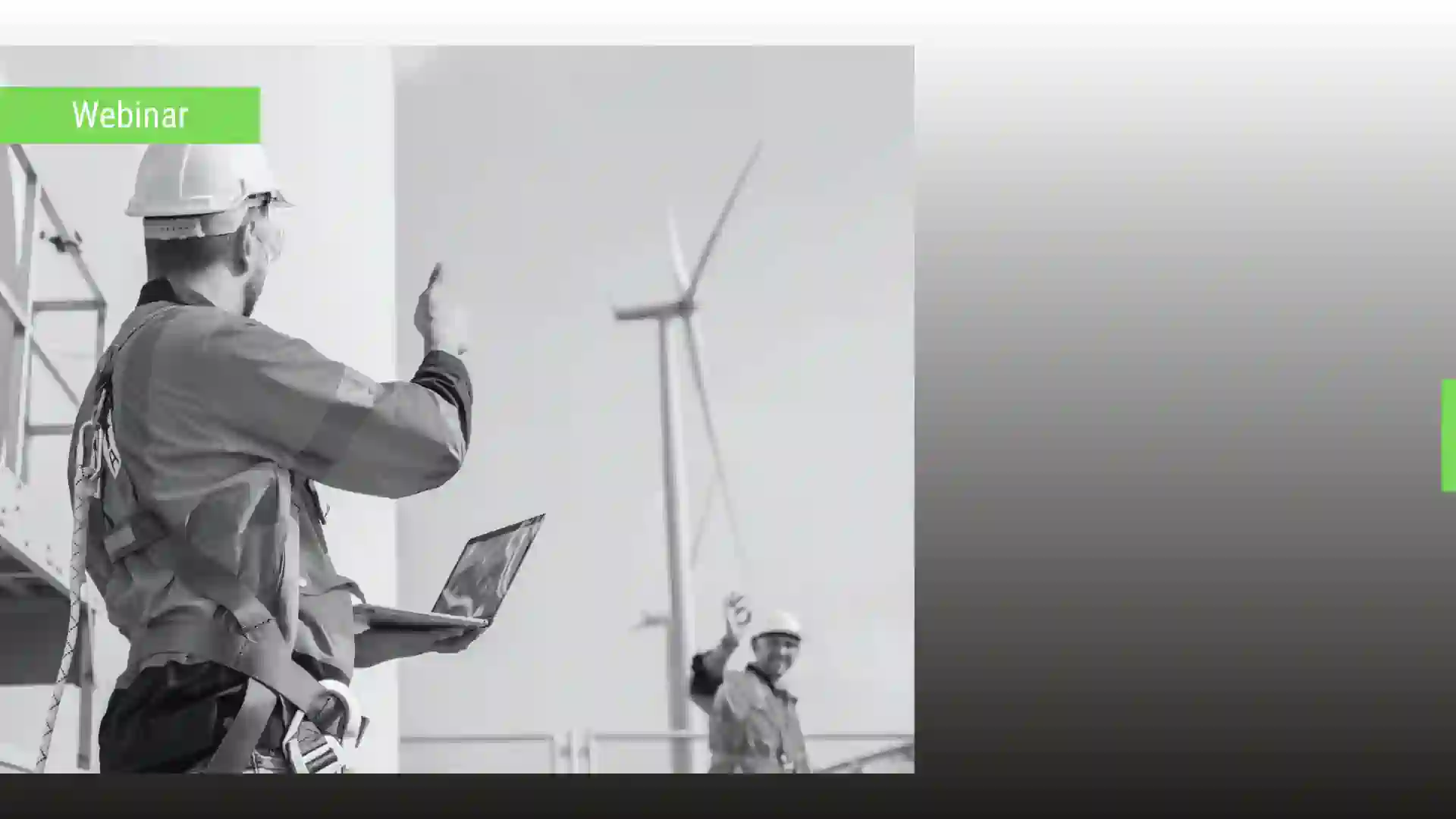



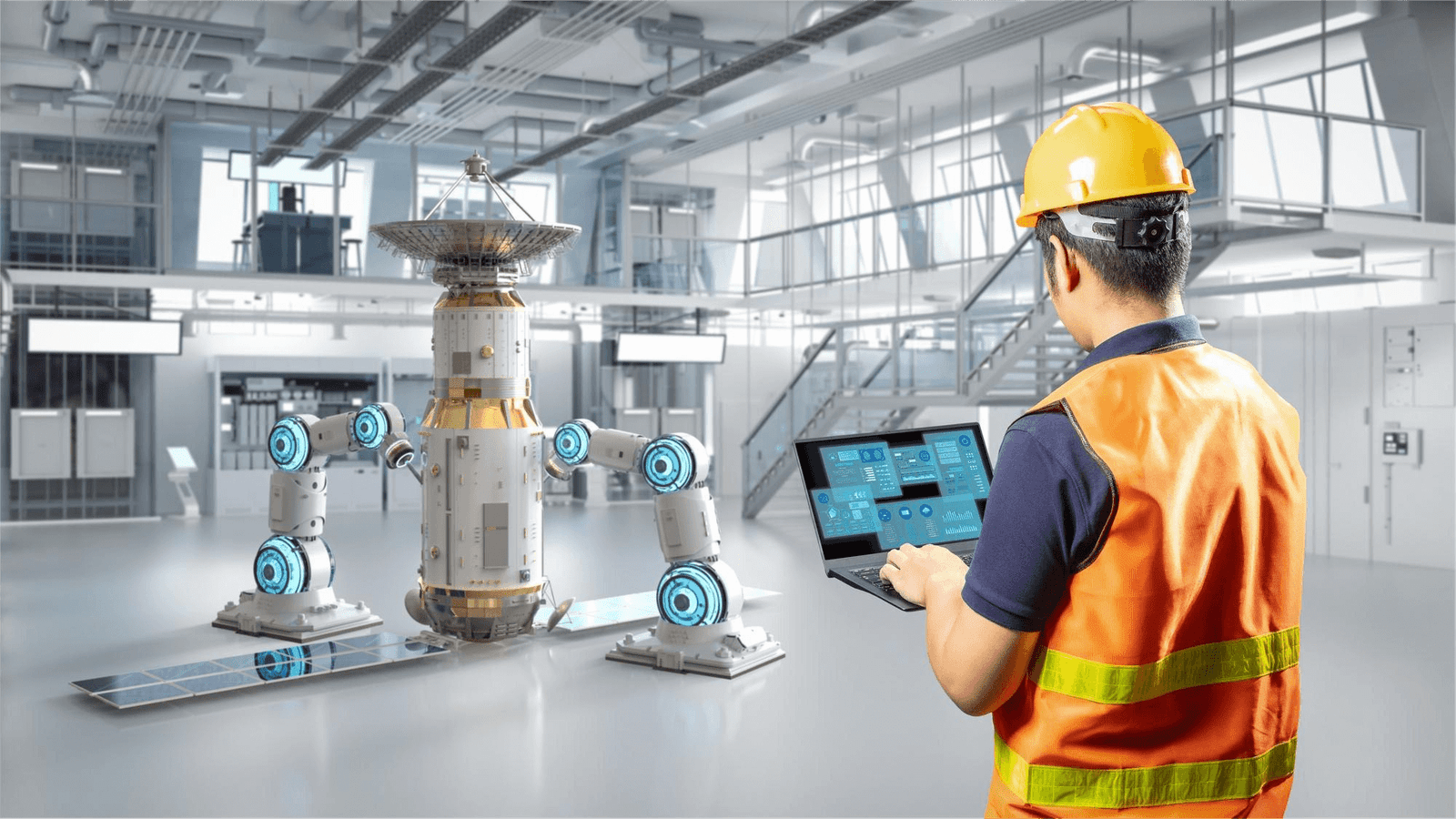





Renewable energy systems are becoming more connected, distributed, and data-driven.
Solar farms, wind turbines, energy storage systems, and grid infrastructure generate enormous amounts of operational data every day. Solar farms, wind turbines, energy storage systems, and grid infrastructure generate enormous amounts of operational data every day. But collecting data is only the first step. The bigger opportunity is using that data to understand asset performance, anticipate problems, optimize energy production, and make faster operational decisions. This is where Industrial Internet of Things (IIoT) and AI come together.
IIoT creates the connected infrastructure. AI turns the resulting data into intelligence.
Renewable Energy Needs More Than Connectivity
Renewable energy assets operate in environments where conditions can change constantly.
Solar output changes with weather and sunlight.
Wind turbine performance depends on wind conditions and equipment health.
Energy storage systems require continuous monitoring of temperature, charge, discharge, and other operating parameters.
Traditional monitoring can make it difficult to understand these changes across large or distributed asset networks.
IIoT addresses the connectivity challenge by bringing equipment, sensors, gateways, and operational systems together. AI adds another layer by analyzing the information generated across that connected environment.
IIoT: Connecting Renewable Energy Assets
IIoT enables renewable energy equipment to continuously generate and share operational data. Sensors and connected devices can capture information such as:
This data can move through industrial gateways, edge devices, communication networks, and cloud platforms. The result is a more connected view of renewable energy operations. Instead of checking individual assets separately, teams can monitor equipment and performance across a broader environment.
AI: Turning Data Into Operational Intelligence
IIoT can tell you what is happening. AI can help determine what it means and what may happen next. AI models can analyze current and historical data to identify patterns, anomalies, and relationships that may not be obvious through manual monitoring.
For renewable energy operators, this can support areas such as:
Analyze historical and real-time information to improve predictions of energy generation and demand.
Identify operating patterns that may affect the efficiency of renewable assets.
Highlight unusual equipment behavior that may require investigation.
Identify early indicators of potential equipment problems.
Provide teams with data-driven insights that can support faster responses.
The objective is not to replace human decision-making. It is to give teams better information at the right time.
Where IIoT and AI Create Value
Solar Energy
Connected sensors can monitor solar equipment and environmental conditions across a site. Analytics can help identify changes in performance and highlight assets that may require inspection.
Wind Energy
Wind turbines generate continuous operational data. Monitoring vibration, temperature, power output, and other parameters can help identify abnormal behavior and support condition-based maintenance.
Energy Storage
Battery storage systems require close monitoring of operating conditions. Connected data combined with analytics can help operators understand system performance and identify conditions that require attention.
Grid Operations
As renewable generation becomes more distributed, grid operators need greater visibility into assets and energy flows. Connected infrastructure and AI-driven analytics can support monitoring, forecasting, and more informed operational decisions.
Predictive Maintenance: From Detection to Action
Predictive maintenance is one of the clearest examples of IIoT and AI working together. Sensors continuously monitor equipment condition. IIoT infrastructure moves that data into an analytics environment. AI models can then identify patterns that may indicate developing equipment issues.
Instead of waiting for a turbine component, inverter, or other asset to fail, maintenance teams can investigate potential problems earlier. This can change maintenance from a largely reactive process into a more condition-based approach. The important point is that prediction alone is not enough. The insight needs to reach the people and systems responsible for maintenance so that it can lead to an appropriate action.
Building a Smarter Renewable Energy Architecture
A practical IIoT and AI environment can be thought of as a connected flow:
Each layer has a role.
Assets and sensors generate operational information.
Edge systems can process selected data closer to the equipment where faster responses are required.
Connectivity moves information between assets, edge environments, and centralized platforms.
Data platforms organize and store information for analysis.
AI and analytics identify patterns, anomalies, forecasts, and potential risks.
Operational systems and teams turn those insights into actions.
This architecture can also integrate with existing enterprise and energy management systems, allowing organizations to build on their current technology environment rather than starting from scratch.
Making Renewable Energy More Intelligent
The next stage of renewable energy transformation is not simply connecting more assets. It is creating systems that can understand what those assets are doing and help teams respond more effectively.
Together, they can support better asset monitoring, predictive maintenance, energy forecasting, operational efficiency, and more informed decision-making across renewable energy environments. For organizations investing in renewable infrastructure, the opportunity is to build connectivity and intelligence into the system from the beginning.
Build Smarter Renewable Energy Systems
Infysion helps businesses connect industrial assets, data platforms, analytics, and intelligent technologies to create more connected and responsive energy operations. Explore capabilities across Industrial IoT, data analytics, AI, and energy technology solutions to build an architecture designed around your operational needs.
Contact usFAQs
What is the role of IIoT in renewable energy?
IIoT connects renewable energy assets and enables continuous collection and transmission of operational data from equipment, sensors, and connected systems.
How does AI improve renewable energy operations?
AI can analyze operational and historical data to support forecasting, anomaly detection, performance optimization, predictive maintenance, and other data-driven decisions.
Can IIoT and AI support solar and wind energy?
Yes. Both technologies can be applied to solar farms, wind turbines, energy storage systems, and other connected renewable energy infrastructure.
How does AI support predictive maintenance?
AI can analyze equipment data to identify patterns or anomalies associated with potential failures, allowing maintenance teams to investigate issues before they develop into major disruptions.
Does implementing IIoT require replacing existing equipment?
Not necessarily. Depending on the equipment and architecture, sensors, gateways, and integration technologies can connect existing assets with newer monitoring and analytics systems.