






















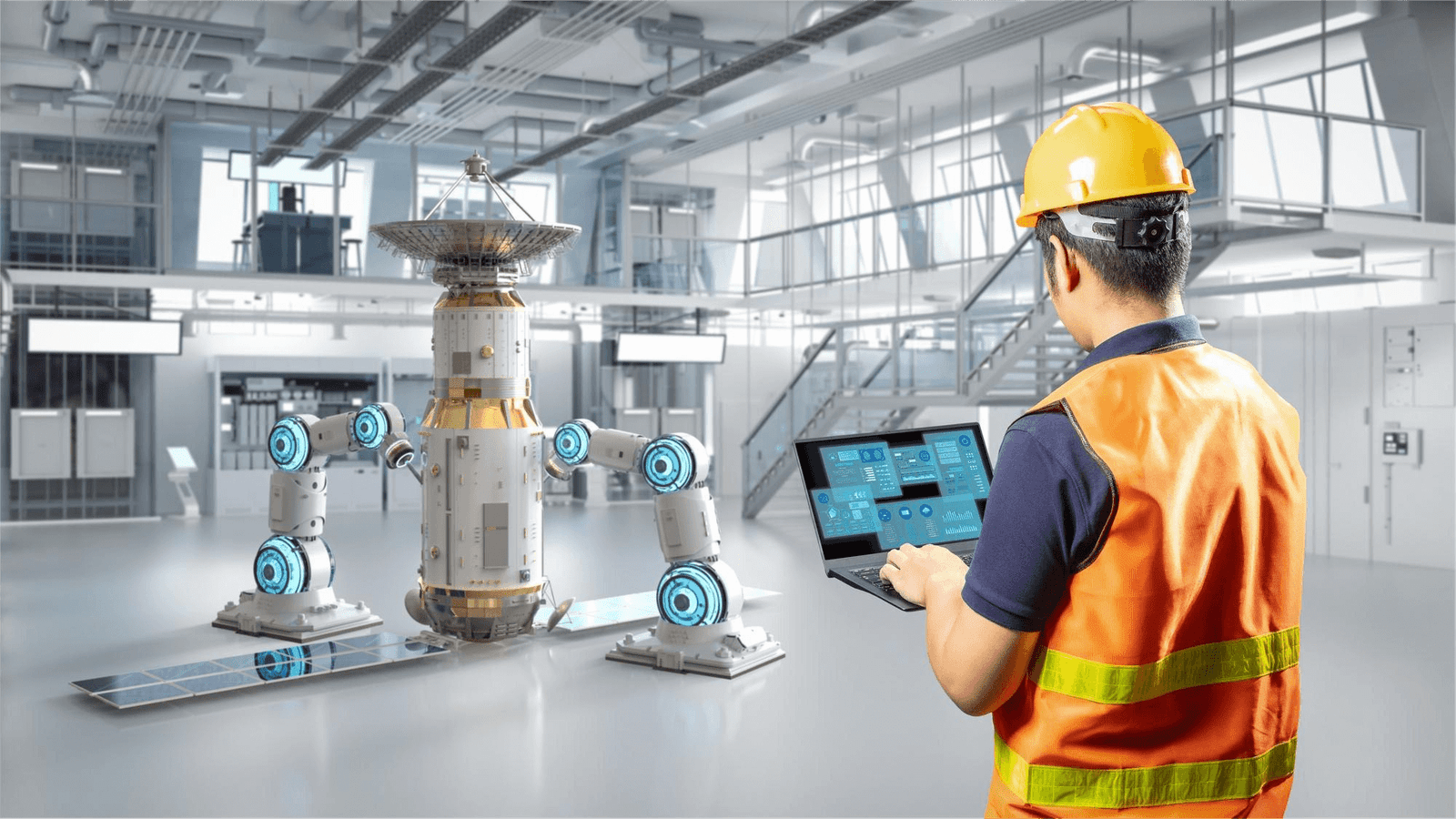




Manufacturing is moving from traditional, equipment-focused operations toward connected, data-driven environments.
The Industrial Internet of Things (IIoT) enables manufacturers to connect machines, sensors, equipment, and operational systems to capture real-time data and turn it into actionable insights.
From predicting equipment failures to improving quality, energy efficiency, asset utilization, and supply chain visibility, IIoT can help manufacturers build more efficient and responsive operations.
Deloitte’s 2025 Smart Manufacturing and Operations Survey found that 92% of manufacturers surveyed believe smart manufacturing will be the main driver of competitiveness over the next three years, highlighting the growing importance of connected technologies in manufacturing.
Key takeaways
- Predictive maintenance can reduce unexpected downtime by using real-time equipment data to identify early signs of failure.
- Connected quality control improves production visibility, helping teams detect process deviations and defects earlier.
- Real-time inventory and asset data can improve material planning, equipment utilization, and supply chain coordination.
- Energy monitoring helps manufacturers identify inefficiencies and make data-driven decisions around consumption and sustainability.
- Remote monitoring extends operational visibility across multiple facilities and distributed assets.
- IIoT works best as part of a broader data strategy, connecting operational technology with analytics, cloud, and existing enterprise systems.
- A focused IIoT roadmap and pilot approach can help manufacturers validate business value before scaling connected solutions across operations.
7 Industrial IoT implementations in manufacturing
Industrial IoT can be applied across the manufacturing lifecycle. The following use cases demonstrate where connected technologies can deliver practical operational value.
- Predictive maintenanceSensors can continuously monitor parameters such as temperature, vibration, pressure, and equipment performance. Analytics can identify unusual patterns and potential failures before they result in unplanned downtime. This allows maintenance teams to move from reactive repairs to condition-based maintenance, helping improve equipment availability and extend asset life.
- Quality control and defect detectionConnected sensors can monitor production conditions and compare real-time readings against predefined quality parameters. When deviations are detected, teams can receive alerts and investigate issues earlier. This can help reduce defects, minimize waste, and maintain more consistent production quality.
- Inventory and supply chain optimizationIIoT can provide real-time visibility into raw materials, inventory, equipment, and movement across manufacturing facilities. Manufacturers can use this data to improve inventory planning, identify bottlenecks, optimize replenishment, and coordinate production more efficiently.
- Energy management and sustainabilityManufacturing equipment can generate significant amounts of energy consumption data. Connected monitoring can help organizations understand where and when energy is being used. This visibility allows teams to identify inefficient processes, optimize equipment usage, control operational costs, and support broader sustainability goals.
- Remote monitoringIIoT allows teams to monitor equipment and production environments remotely through connected platforms and dashboards. For manufacturers managing multiple facilities or geographically distributed assets, remote monitoring can provide centralized visibility and help teams identify issues without always being physically present.
- Asset tracking and managementSensors can track the location, usage, condition, and performance of machinery, tools, and other valuable assets. This can help manufacturers improve asset utilization, reduce losses, and make maintenance decisions based on actual equipment usage.
- Supply chain visibilityConnected sensors can track products and materials as they move between suppliers, manufacturing facilities, warehouses, and customers. Real-time visibility can help organizations identify delays, improve logistics planning, manage inventory more effectively, and respond faster to supply chain disruptions.
Ready to identify the right IIoT opportunities for your manufacturing operations? Talk to our experts →
Real-world results
Smart manufacturing technologies are increasingly being adopted because organizations are seeing measurable improvements across production, workforce productivity, and capacity.
The role of an experienced IIoT partner
Implementing IIoT is not simply about connecting machines. The real value comes from connecting operational data to the systems, analytics, and decisions that drive the business.
An experienced Industrial IoT consulting partner can help manufacturers:
- Identify high-value use cases and business priorities
- Design scalable IoT architecture
- Connect existing IT and OT environments
- Integrate IoT data with analytics platforms
- Build security and scalability into deployments
- Start with focused pilots before expanding across facilities
This approach helps organizations build an IIoT roadmap around measurable business outcomes rather than technology adoption alone.
Azure IoT building blocks
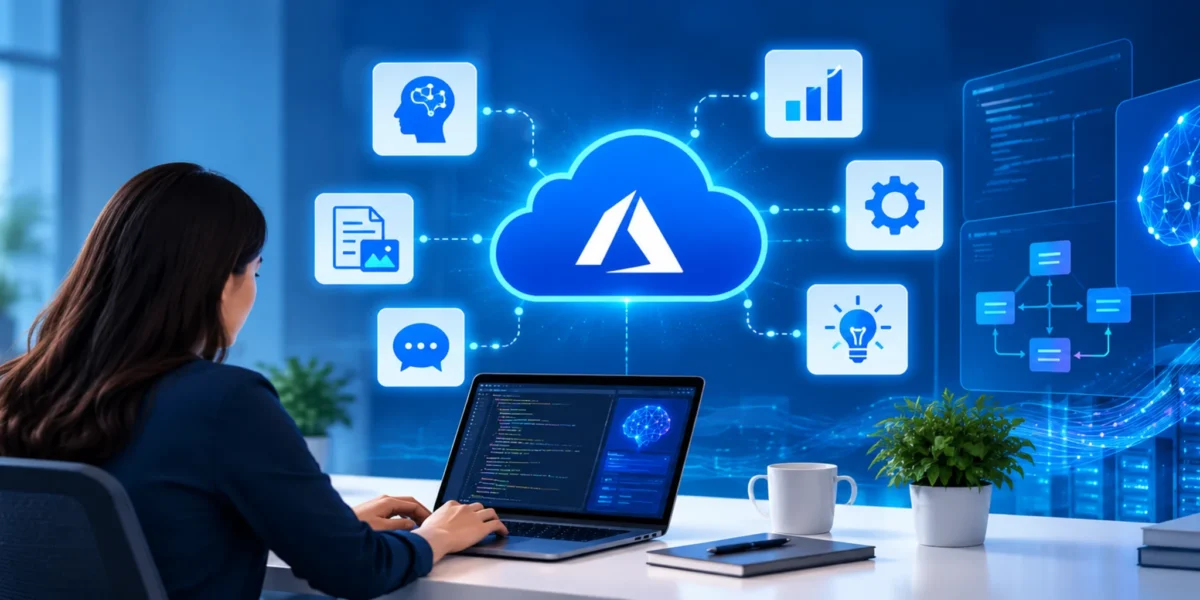
Cloud technologies can provide the infrastructure required to connect devices, process industrial data, and scale IoT deployments.
Enables secure communication between connected devices and cloud applications while supporting device management at scale.
ConnectivityAllows selected workloads and analytics to run closer to industrial equipment, supporting faster local processing and reducing dependence on continuous cloud communication.
EdgeCreates digital representations of physical environments, assets, and processes, helping organizations understand relationships between connected systems.
Digital twinsConclusion
Industrial IoT is helping manufacturers create more connected, visible, and data-driven operations.
From predictive maintenance and quality control to energy management, asset tracking, and supply chain visibility, IIoT can address some of the most important challenges across modern manufacturing environments.
The right approach starts with identifying high-value opportunities, connecting the right data sources, and building a scalable roadmap that can grow with the business.
Plan Your Industrial IoT Rollout With Infysion
Build a smarter, more connected industrial operation with IIoT solutions tailored to your business.
Explore Your IIoT Opportunity →Frequently asked questions
What is Industrial IoT in manufacturing?
Industrial IoT connects machines, equipment, sensors, and industrial systems to collect and exchange real-time operational data. Manufacturers can use this data to improve efficiency, maintenance, quality, and decision-making.
What are the main Industrial IoT use cases in manufacturing?
Common use cases include predictive maintenance, quality monitoring, inventory optimization, energy management, remote monitoring, asset tracking, and supply chain visibility.
Can IIoT work with existing manufacturing systems?
Yes. IIoT solutions can be designed to integrate with existing IT and OT environments, including legacy equipment and operational systems.
How should manufacturers start an IIoT project?
Manufacturers should begin by identifying a specific operational challenge where connected technology can deliver measurable value. A focused pilot can then be tested before expanding the solution across facilities.
How can Infysion help with Industrial IoT?
Infysion provides Industrial IoT consulting, IoT consulting, and IoT engineering services to help organizations plan, build, integrate, and scale connected industrial solutions.