









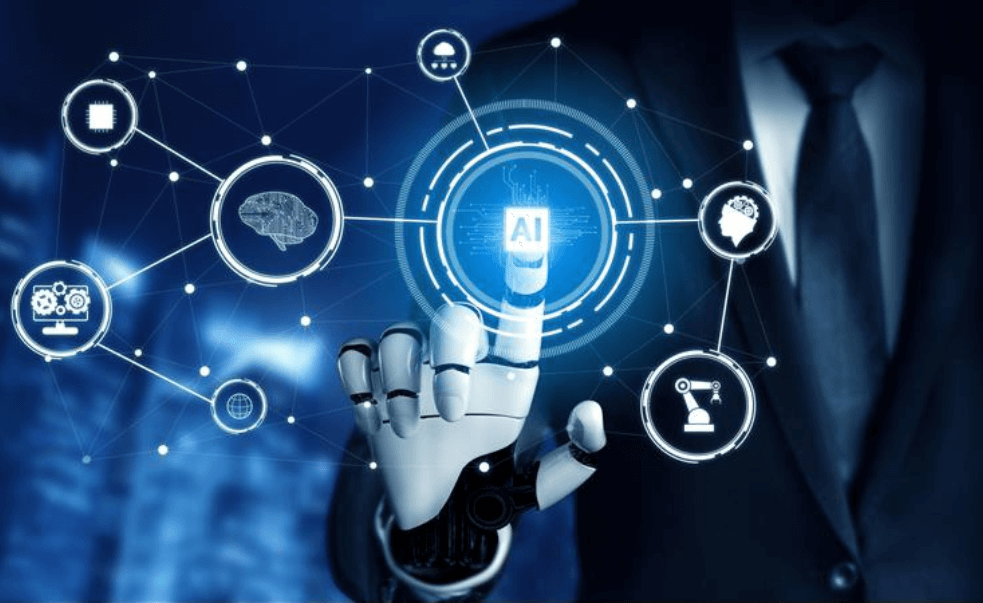













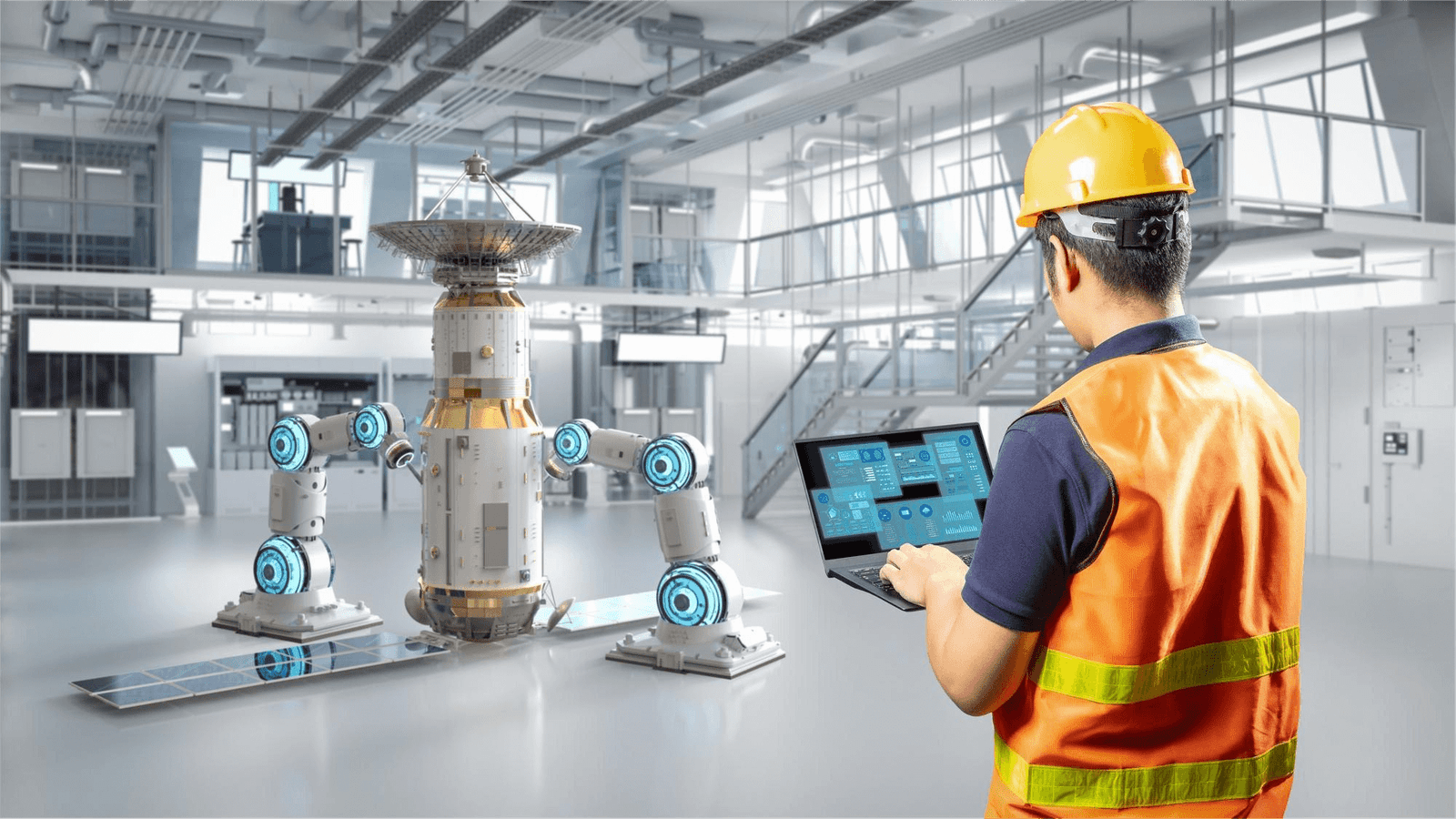





IoT applications are becoming the software layer behind smart factories, connected vehicles, utilities, and industrial operations. But building an IoT application involves more than connecting a device to the internet. A successful solution needs to connect devices, collect and process data, integrate with existing systems, support real-time decisions, and remain secure as the deployment grows.
That makes IoT application development as much about architecture and planning as it is about coding.
What Is IoT Application Development?
IoT application development is the process of designing, building, testing, and deploying software that connects physical devices with digital systems. An IoT application can include device-level software, connectivity services, cloud infrastructure, APIs, dashboards, and mobile applications.
A well-designed solution can support:
The Architecture Behind an IoT Application
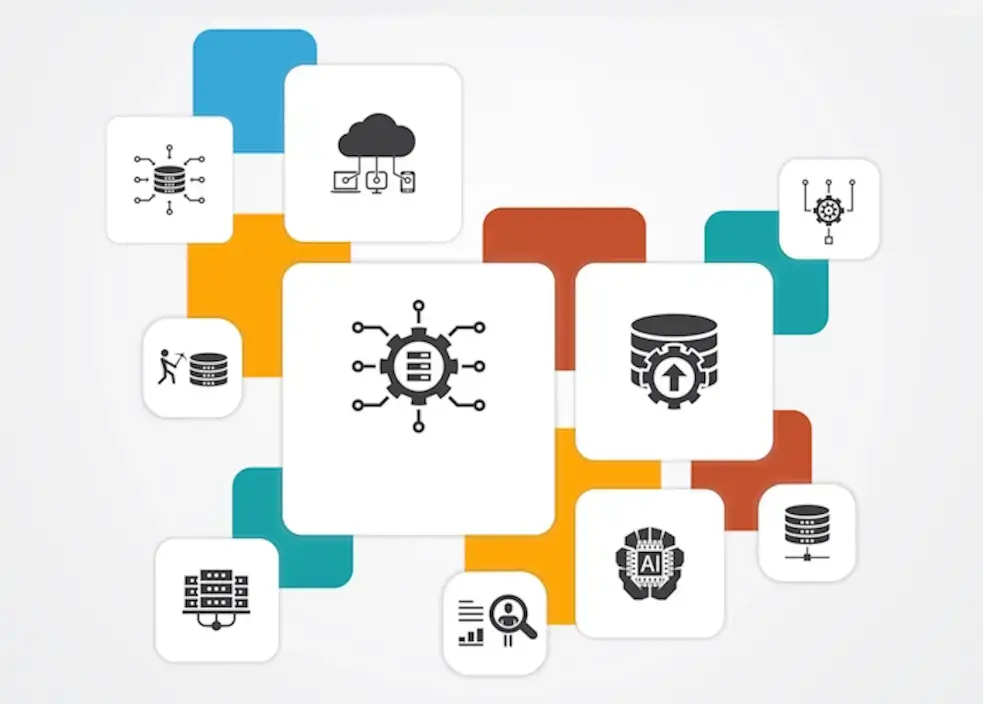
An IoT application typically works across several connected layers:
Sensors, machines, controllers, and actuators collect data and perform actions.
Wi-Fi, Bluetooth, LoRaWAN, cellular, 5G, and other protocols transmit data between devices and digital systems.
Local processing can handle data closer to the source when low latency or reduced data transmission is important.
Cloud infrastructure provides storage, processing, analytics, and application services.
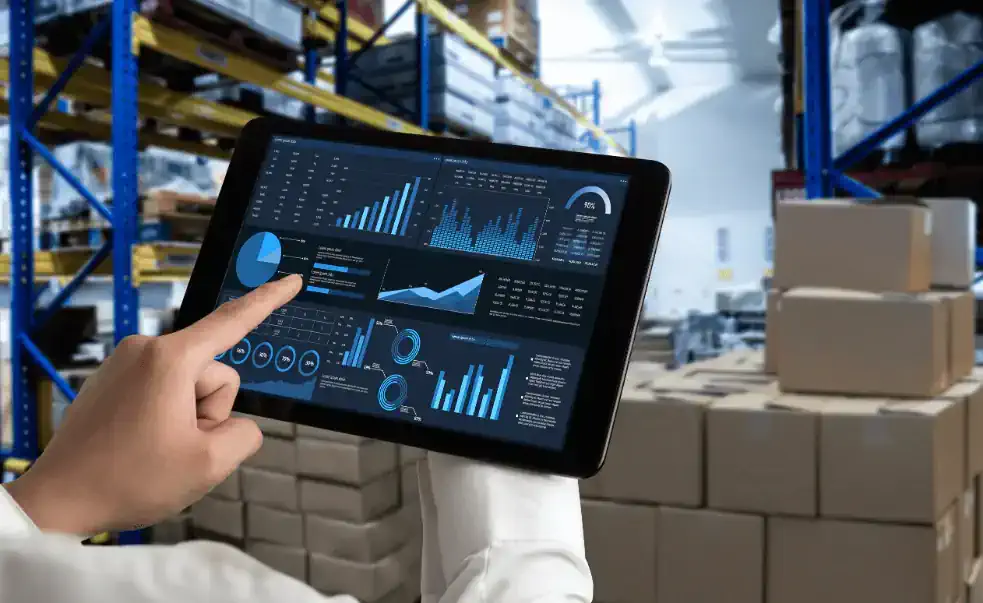
Dashboards, mobile apps, APIs, alerts, and workflows turn connected data into actionable information.
Designing these layers together creates a stronger foundation for scaling the application.
5 Proven Strategies for IoT Application Development
Start With a Clear Use Case
The best IoT projects begin with a business problem, not a technology.
Define what the application needs to improve, who will use it, what data is required, and how success will be measured.
This could mean reducing equipment downtime, monitoring energy consumption, improving asset visibility, or automating a manual process.
Design for Scalability
An IoT application may start with a small pilot and eventually support thousands of devices.
Build the architecture to handle growing:
Modular services, scalable infrastructure, and efficient data processing can help prevent performance issues as the deployment expands.
Build Security Into the Architecture
IoT environments can expose multiple devices, networks, APIs, and data sources.
Security should therefore cover:
Security is more effective when it is built into the development process rather than added after deployment.
Plan for Device Diversity
IoT environments often contain different devices, protocols, data formats, and connectivity methods.
Using flexible APIs, gateways, adapters, and standardized interfaces can make it easier to integrate new devices and connect IoT applications with existing systems.
This is particularly important when modern devices need to work alongside legacy equipment.
Balance Edge and Cloud Processing
Not every IoT workload needs to be processed in the same place.
A combination of edge and cloud can provide both responsiveness and scalability where the use case requires it.
From Development to Deployment
Building the application is only the beginning. A practical IoT deployment can follow five stages:
Establish the use case, users, devices, data, and business objectives.
Connect a limited device set and validate the architecture.
Evaluate performance, connectivity, security, data quality, and user experience.
Roll out gradually while monitoring the environment.
Expand to additional devices, processes, or locations once the solution proves reliable.
Starting with a focused pilot allows teams to identify technical and operational issues before committing to a larger deployment.
What to Monitor After Launch
IoT applications need continuous monitoring because both the software and connected devices operate in changing environments. Track areas such as:
Automated alerts can help teams identify failures and abnormal behavior before they affect operations.
Building IoT Applications That Last
Successful IoT application development brings together business objectives, connected devices, scalable architecture, secure data, and intuitive applications.
The goal is not simply to connect more devices. It is to create a reliable flow of information that helps people monitor operations, automate processes, and make better decisions. For manufacturers, utilities, energy companies, and other asset-intensive businesses, a well-designed IoT application can become a foundation for smarter and more connected operations.
Build an IoT Application Around Your Business
Every IoT environment has different devices, workflows, users, and integration requirements. The right application architecture should reflect those realities. Infysion helps businesses design and develop IoT applications that connect devices, data, cloud platforms, and enterprise systems into scalable digital solutions. Explore IoT Application Development to build a connected solution around your operational goals.
Contact usFAQs
What is IoT application development?
It involves building software that connects physical devices and sensors with digital platforms, data systems, and user applications.
How can I make an IoT application scalable?
Use a modular architecture, scalable infrastructure, efficient APIs, and a device management strategy that can support growing device and data volumes.
Why is security important for IoT applications?
IoT environments connect multiple devices, networks, APIs, and data sources, making security important across authentication, communication, access, updates, and monitoring.
Can IoT applications integrate with existing systems?
Yes. APIs, gateways, and integration layers can connect IoT applications with ERP, MES, CRM, analytics platforms, and other enterprise systems.
Should IoT data be processed at the edge or in the cloud?
It depends on the use case. Edge processing is useful for low-latency workloads, while cloud platforms are valuable for centralized storage, analytics, and large-scale application workloads.