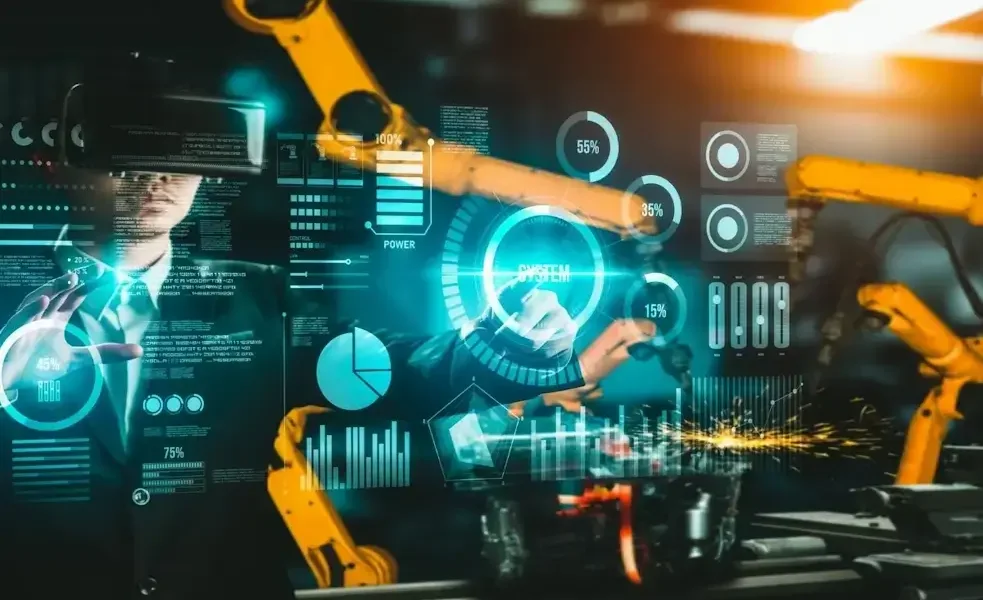





























Manufacturers are generating more data than ever, from machine performance and production cycles to quality checks, energy consumption, inventory, and supply chain activity. But collecting data is only the first step.
The real advantage comes from connecting that data, making it accessible, and turning it into decisions that improve operations. This is where IoT, cloud computing, and data analytics work together. IoT captures what is happening on the factory floor. Cloud platforms make that information accessible and scalable. Analytics turns it into insights that teams can use to improve efficiency, reduce downtime, and plan with greater confidence.
From Factory Data to Business Intelligence
A modern manufacturing environment can generate thousands of data points every minute. Machine temperature, vibration, pressure, production speed, energy consumption, quality measurements, inventory levels, and order information all contribute to the operational picture. The challenge is that this information often sits across different machines and systems.
A connected approach brings these data sources together:
That creates a continuous flow of information from the factory floor to the people making operational decisions.
IoT: Bringing Real-Time Visibility to the Factory Floor
IoT provides the connection between physical manufacturing assets and digital systems. Sensors installed on machines can capture information such as:
Temperature and pressure
Vibration and equipment health
Production speed and machine cycles
Energy consumption
Operating conditions
Instead of relying only on end-of-shift reports, operations teams can monitor what is happening as it happens.
Moving From Reactive to Predictive Maintenance
One of the most valuable applications of manufacturing IoT is predictive maintenance. Instead of waiting for equipment to fail, manufacturers can analyze changes in vibration, temperature, operating cycles, and other signals to identify potential problems earlier. This helps maintenance teams move from “fix it when it breaks” to “act before it becomes a problem.”
IoT can also support production monitoring and quality control by identifying unusual machine behavior, process deviations, and potential bottlenecks.
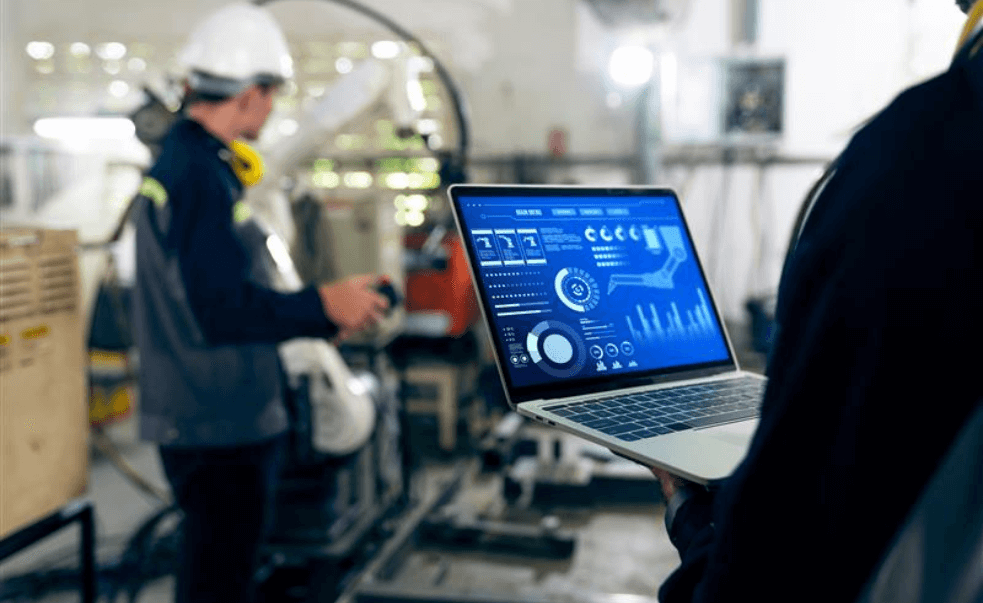
Manufacturing data can be collected from connected equipment and made available through centralized platforms and dashboards.
Teams across production, maintenance, quality, supply chain, and management can work from the same operational information.
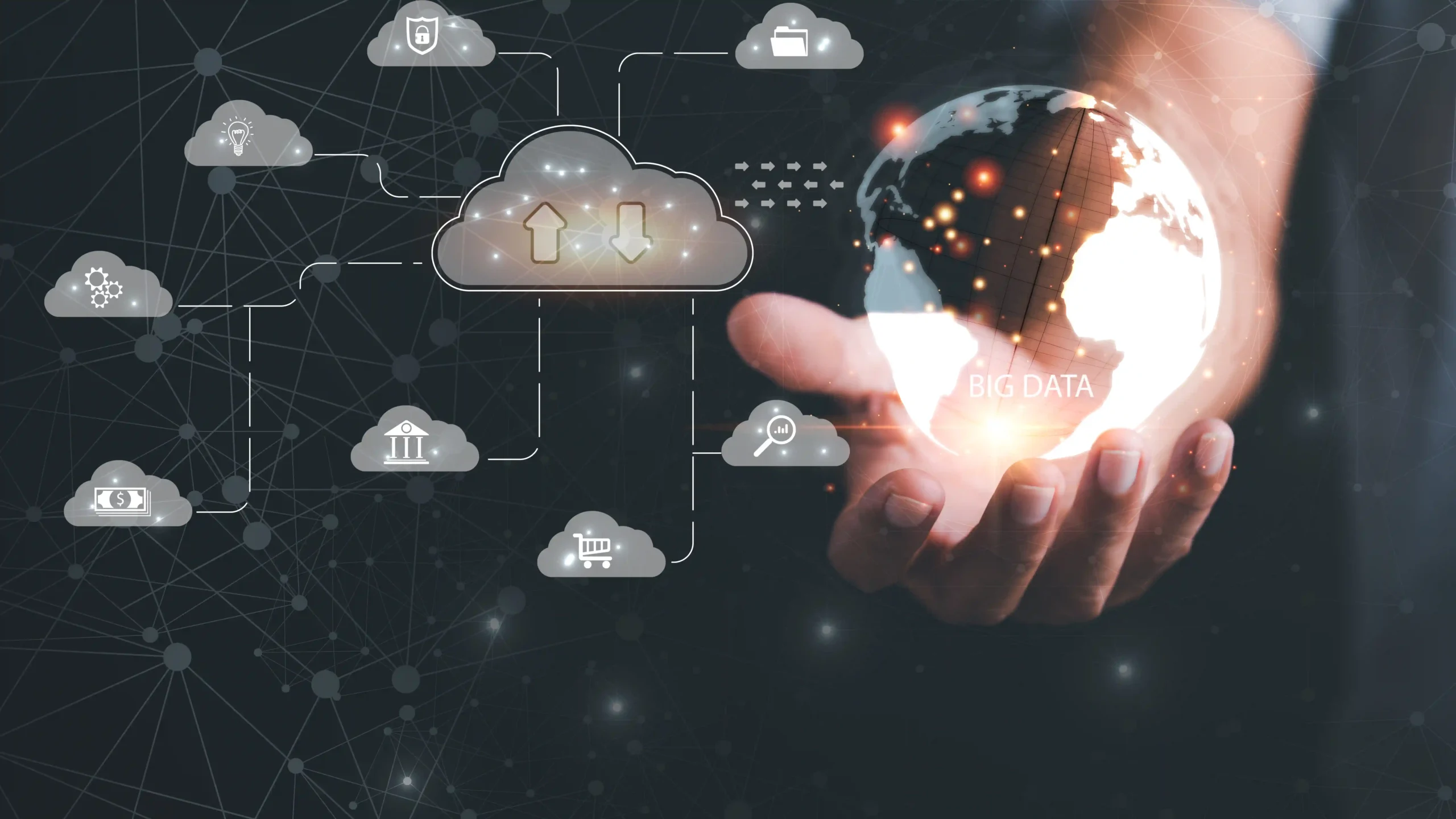
As manufacturers add machines, production lines, facilities, or new data sources, cloud infrastructure can expand without requiring the same level of investment in physical servers and infrastructure.
For multi-site manufacturers, a centralized cloud environment can provide visibility across facilities while allowing teams to access the information they need from different locations.
Analytics: Turning Data Into Decisions
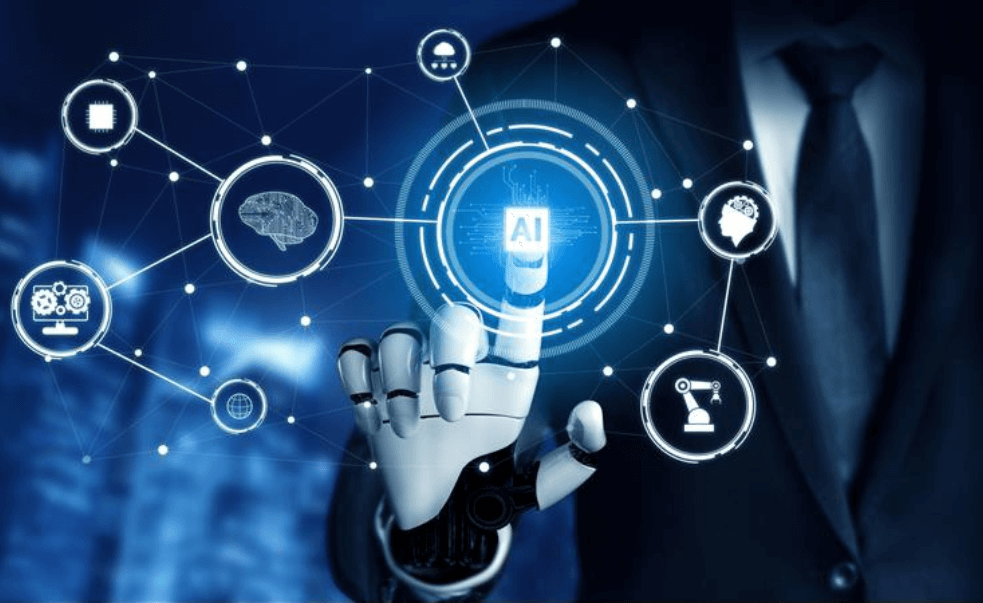
Having access to manufacturing data does not automatically create value. Analytics provides the layer that helps teams understand what the data is telling them.
Manufacturers can use analytics to identify:
For example, if analytics shows that a machine consistently loses performance after a particular operating period, maintenance teams can investigate the underlying cause and schedule an intervention before the issue affects production. The same data can also support longer-term decisions, such as production planning, inventory management, and resource allocation.
Where Connected Manufacturing Data Creates Impact
The combination of IoT, cloud, and analytics can support multiple areas of manufacturing.
Production Monitoring
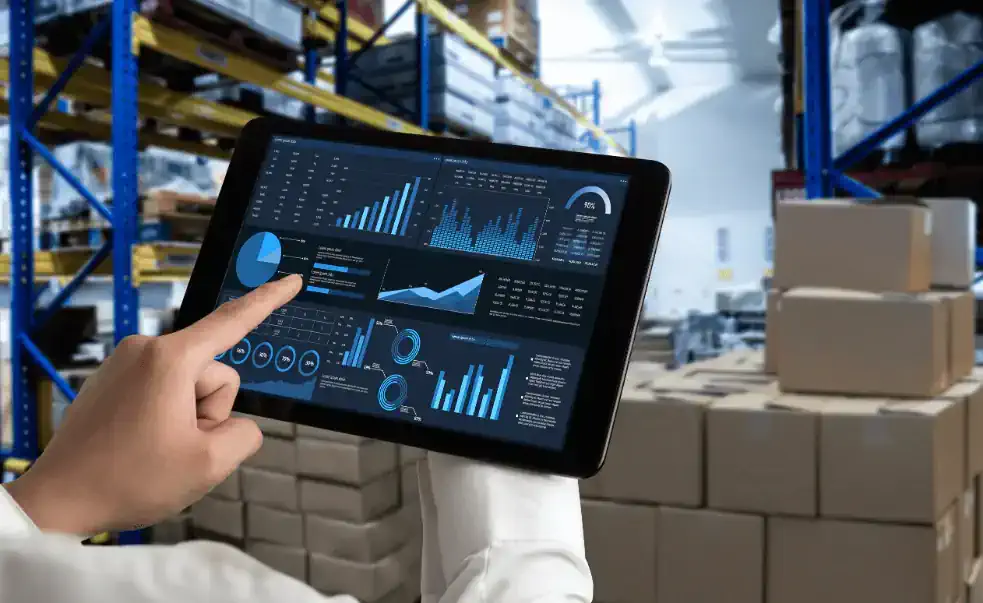
Real-time dashboards give teams visibility into machine and production performance, helping them identify deviations and respond faster.
Predictive Maintenance
Equipment data can be analyzed to identify patterns associated with potential failures, helping reduce unexpected interruptions.
Quality Management
Connected quality data creates better traceability and helps teams identify where defects or process variations are occurring.
Energy Management
Connected meters and sensors can reveal where energy is being consumed, helping manufacturers identify unusual usage and opportunities for optimization.
Supply Chain and Planning
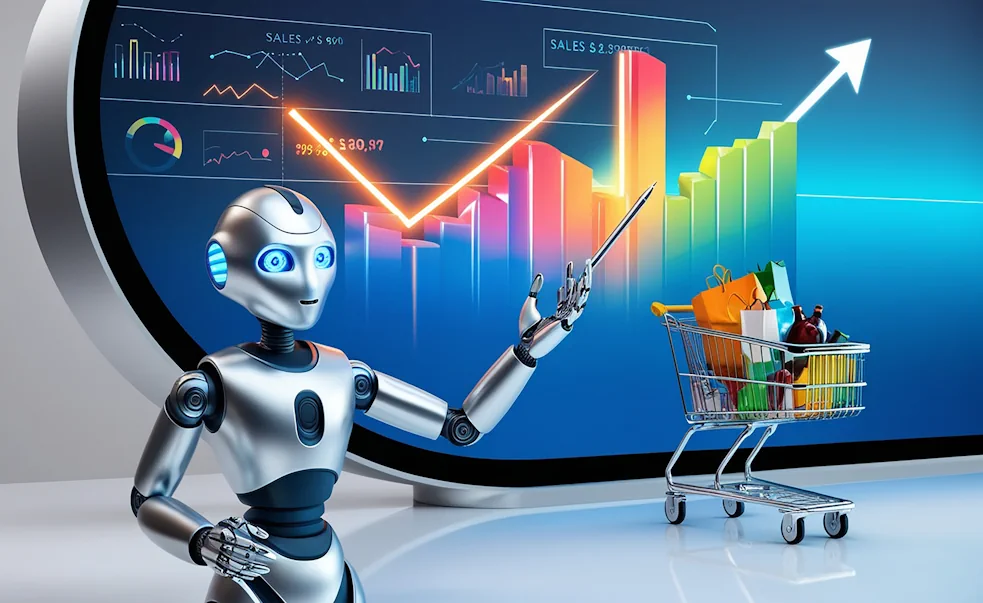
Production, inventory, and demand data can be analyzed together to support better scheduling, inventory planning, and resource allocation.
The Value Comes From Connecting the Pieces
IoT, cloud, and analytics should not be viewed as three separate technology investments. Their real value emerges when they work as part of a connected data environment. Consider a machine that begins showing unusual vibration.
IoT captures the change.
Cloud infrastructure makes the information available to the relevant systems and teams.
Analytics identifies the pattern and determines whether it could indicate a developing equipment issue.
The maintenance team receives the insight and can take action before the problem becomes a production disruption.
This is the difference between simply collecting manufacturing data and using it to improve the business.
Building a Data-Driven Manufacturing Environment
Manufacturers do not need to connect everything at once. A practical approach is to start with a business problem where better data can create measurable value.
Identify the operational gap
Look for areas where teams rely heavily on manual reporting, experience, or delayed information.
Select the right data sources
Determine which machines, sensors, business systems, or processes need to be connected.
Build the data foundation
Create the connectivity and cloud infrastructure required to collect and organize information.
Add analytics
Turn operational data into dashboards, alerts, trends, and predictive insights.
Expand what works
Once a use case demonstrates value, extend the approach to additional machines, processes, or facilities.
Manufacturing Is Becoming a Data-Driven Business
The modern factory is no longer defined only by machines and production lines. It is increasingly defined by how effectively those assets generate, share, and use information.
Together, they give manufacturers a foundation for making faster, more informed decisions across production, maintenance, quality, energy, and supply chain operations. The goal is not simply to collect more data. It is to make manufacturing data useful.
Turn Manufacturing Data Into Operational Value
Building a connected manufacturing environment requires more than deploying sensors or moving data to the cloud. It requires the right combination of connectivity, cloud infrastructure, data engineering, analytics, and business understanding. Infysion helps businesses connect operational data, build scalable IoT environments, and turn complex manufacturing information into actionable insights through IoT, cloud, and data analytics solutions. If your manufacturing data is growing but your visibility is not, it may be time to connect the pieces.
Contact usFAQs
What is the role of IoT in manufacturing?
IoT connects machines, equipment, and sensors to digital systems, allowing manufacturers to collect real-time operational data and monitor equipment and production performance.
How does cloud computing support manufacturing?
Cloud computing provides scalable infrastructure for storing, processing, and accessing manufacturing data across teams, facilities, and connected systems.
How does data analytics help manufacturers?
Data analytics helps manufacturers identify trends, detect inefficiencies, understand equipment performance, improve planning, and make data-driven operational decisions.
Can IoT, cloud, and analytics be implemented gradually?
Yes. Manufacturers can begin with a specific operational challenge, such as equipment monitoring or energy management, and gradually expand the connected environment as the value becomes clear.
What is the benefit of combining IoT, cloud, and analytics?
Combining these technologies creates a continuous flow from real-world operational data to actionable insights, helping manufacturers improve visibility, efficiency, maintenance, quality, and decision-making.