


































As data environments become more complex, businesses need more than individual analytics tools.
They need a way to connect data, manage it, analyze it, and turn insights into action without creating another layer of disconnected systems. Microsoft Fabric brings these capabilities together through a unified analytics platform, helping organizations build a more connected approach to data and business intelligence.
What Is Microsoft Fabric?
Microsoft Fabric is an integrated analytics platform designed to bring different data and analytics workloads into a unified environment. Instead of managing separate tools for data engineering, data integration, analytics, business intelligence, and related workloads, organizations can use Fabric to create a more connected data environment.
This can help teams reduce complexity and improve how data moves from its original source to the people and applications that need it.
Why Microsoft Fabric Matters for Modern Data Analytics
Data is often spread across databases, applications, cloud environments, IoT systems, and business platforms. Bringing this information together can become difficult as organizations grow.
Microsoft Fabric addresses this challenge by connecting data workflows and analytics capabilities within a common environment.
Connect Data From Multiple Sources
Data integration is one of the first challenges organizations face when building a modern analytics environment. Microsoft Fabric supports data ingestion and integration across different sources, helping teams bring information together for analysis. Automated pipelines and connectors can reduce the manual effort involved in moving and preparing data.
Bring Data and Analytics Closer Together
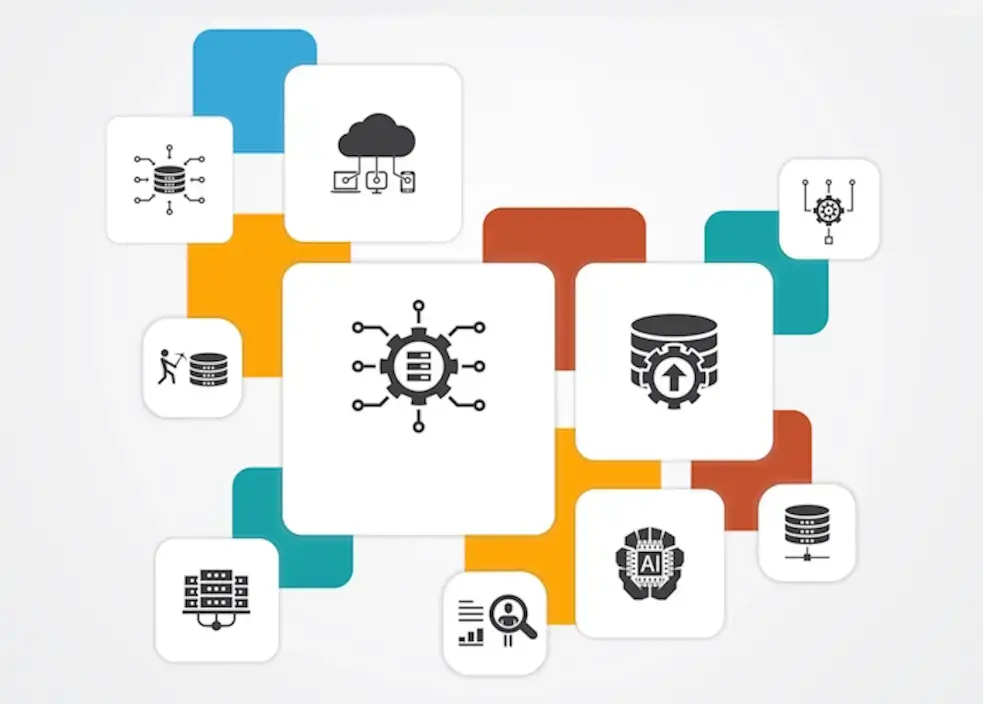
A modern analytics strategy requires more than storing data. Teams need to prepare, transform, explore, and analyze it efficiently. Fabric brings together capabilities for data engineering, data integration, analytics, and business intelligence, allowing organizations to build connected workflows rather than managing each stage independently.
This can help analysts and data teams spend less time moving data between systems and more time working with it.
Support Real-Time Analytics
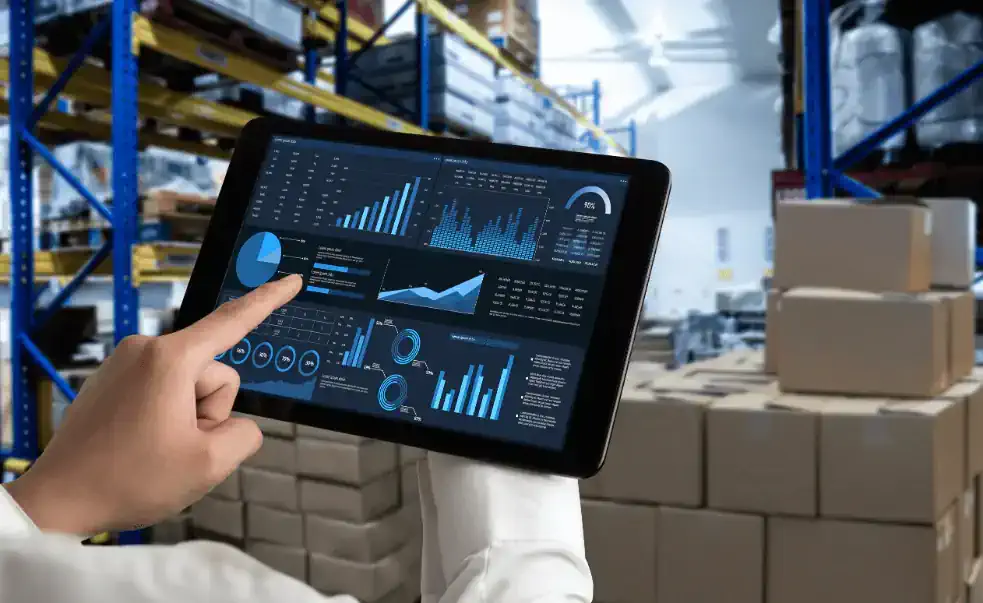
Many business decisions depend on information that changes continuously. Operational systems, connected devices, applications, and other sources can generate data that needs to be monitored quickly. Fabric supports real-time analytics scenarios, helping organizations identify changes, monitor important metrics, and respond to operational events.
For businesses working with connected operations, real-time analytics can support use cases such as operational monitoring, customer activity analysis, and IoT-driven insights.
- Operational monitoring
- Customer activity analysis
- IoT-driven insights
Extend Analytics With AI
AI is becoming increasingly connected to enterprise data strategies. When trusted and well-managed data is available, organizations can use AI and machine learning to identify patterns, generate predictions, and support decision-making.
Microsoft Fabric can serve as part of this broader data and AI environment, helping organizations connect analytics workflows with AI capabilities rather than treating AI as a separate initiative.
The value comes from connecting data, analytics, and AI around real business problems.
Improve Collaboration Across Data Teams
Data projects often involve engineers, analysts, data scientists, and business users.
A unified environment can make collaboration easier by giving teams a common place to work with data, analytics assets, and insights. This can reduce handoffs between disconnected tools and help business teams access insights more easily.
Strengthen Data Governance
As data becomes more widely used, organizations also need stronger controls around access, security, and governance.
A modern analytics environment needs to address questions such as:
01 ›Who can access specific data?
02 ›Where is sensitive information stored?
03 ›How is data being used?
04 ›Can teams trust the information they are analyzing?
05 ›How can organizations maintain consistent governance as data grows?
Fabric can form part of a broader enterprise data governance strategy, helping organizations bring analytics and data management into a more structured environment.
How Businesses Can Use Microsoft Fabric
The platform can support different business scenarios depending on an organization’s data environment and objectives. Common applications include:
- Business intelligenceBring data together for reporting, dashboards, and performance analysis.
- Operational analyticsMonitor changing business or operational conditions and identify issues faster.
- IoT analyticsProcess and analyze data generated by connected equipment and devices.
- Customer analyticsCombine customer and business data to understand behavior and improve experiences.
- AI and predictive analyticsUse enterprise data to support forecasting, pattern detection, and intelligent decision-making.
The right use case depends on the organization’s existing architecture, data maturity, and business priorities.
Building a Modern Data Environment With Fabric
Adopting Microsoft Fabric should not begin with the platform itself. It should begin with the business problem. A practical approach is to:
- Assess the existing data environment
and identify major sources and gaps.
- Prioritize high-value use cases
where better data can improve decisions.
- Design the data architecture
around integration, governance, analytics, and scalability.
- Connect and prepare the required data
for analysis.
- Build analytics and reporting workflows
around business requirements.
- Introduce AI and advanced analytics
where they can create measurable value.
- Scale the environment
as adoption and data requirements grow.
This approach helps organizations avoid adopting technology without a clear business outcome.
What’s Next for Microsoft Fabric?
The broader direction of enterprise analytics is moving toward more connected data, real-time intelligence, AI-assisted analysis, and integrated decision-making.
Microsoft Fabric fits into this shift by bringing multiple data and analytics capabilities into a unified environment. For organizations, the opportunity is not simply to adopt another analytics platform. It is to build a data foundation that can support better decisions today and more intelligent applications tomorrow.
Build a More Connected Data Strategy
Microsoft Fabric can help organizations simplify complex data environments and bring integration, analytics, real-time intelligence, AI, and governance closer together. However, technology alone does not create a data-driven organization. The strongest results come when the platform is aligned with clear business objectives, reliable data, effective governance, and the workflows where insights need to be used.
FAQs
What is Microsoft Fabric?
Microsoft Fabric is an integrated analytics platform that brings together data integration, engineering, analytics, business intelligence, and related capabilities in a unified environment.
What is Microsoft Fabric used for?
Organizations can use Microsoft Fabric for data integration, analytics, business intelligence, real-time analytics, IoT data analysis, and AI-enabled data workflows.
How does Microsoft Fabric support AI?
Fabric can provide a connected data and analytics foundation that organizations can use alongside AI and machine learning capabilities for predictive analysis, pattern identification, and decision support.
Is Microsoft Fabric suitable for enterprise data analytics?
It can support enterprise analytics scenarios where organizations need to connect multiple data sources, build analytics workflows, manage data, and provide insights to different teams.
How should a business start with Microsoft Fabric?
Start by identifying the business problem, assessing existing data sources and architecture, selecting a high-value use case, and then designing the required data and analytics environment around it.