



























- IoT in the energy sector refers to connected devices — smart meters, sensors, and controllers — that collect real-time data on energy production, distribution, and consumption to enable smarter decisions.
- Smart metering provides precise, real-time visibility into usage patterns and voltage behavior, helping utilities manage grids more efficiently and giving consumers tools to reduce waste.
- Grid automation powered by IoT allows energy networks to autonomously respond to load changes, reroute power, and isolate faults — preventing overloads and improving distribution reliability.
- IoT-enabled building management systems dynamically control HVAC and lighting based on occupancy and weather data, with smart buildings reporting energy savings of up to 30%.
- Future trends include AI-driven grid forecasting, blockchain-based peer-to-peer energy trading, digital twins for grid simulation, and edge computing for lower-latency, higher-security operations.
Smart energy management is becoming increasingly important as energy organizations look for better ways to monitor consumption, improve asset performance, optimize operations, and support sustainability goals. IoT is helping make this possible by connecting smart meters, sensors, equipment, renewable energy assets, and data platforms to provide greater visibility into energy operations.
From real-time energy monitoring and predictive maintenance to grid automation and renewable energy management, IoT enables energy companies and utilities to use operational data for smarter, more responsive decision-making.
What is IoT in the Energy Sector?
IoT in the energy sector refers to the use of connected devices, sensors, smart meters, controllers, gateways, and data platforms to collect and exchange information across energy operations.
These connected technologies can be used across:
- Power generation facilities
- Electricity distribution networks
- Smart grids
- Renewable energy installations
- Industrial facilities
- Commercial buildings
- Energy storage systems
- Metering infrastructure
The value of IoT goes beyond collecting data. When operational data is connected with analytics and appropriate workflows, energy organizations can gain greater visibility into asset performance, consumption patterns, equipment conditions, and operational events.
This creates a foundation for more proactive and data-driven energy management.
Use Cases of IoT in Energy Management
 Smart Metering and Real-Time Monitoring
Smart meters provide more detailed information about energy consumption than traditional meter-reading approaches.
IoT-enabled metering systems can help utilities and energy organizations monitor consumption patterns, identify unusual activity, and improve visibility into energy usage.
For example, real-time or near-real-time consumption information can help identify peak demand periods and support better demand management.
For customers and facility operators, this visibility can also help identify opportunities to reduce unnecessary energy consumption.
Potential benefits include:
Improved customer engagement off-peak times.
Improved consumption visibility
Better demand management
Faster identification of abnormal usage
More informed energy planning
Predictive Maintenance for Energy AssetsEnergy infrastructure depends on equipment that needs to operate reliably. Unexpected equipment failures can affect availability, operational efficiency, and maintenance planning.
IoT sensors can collect information such as equipment condition, temperature, vibration, pressure, and other relevant operational signals.
This data can then be analyzed to identify abnormal patterns and potential equipment issues. Instead of relying only on scheduled maintenance, organizations can use condition information to support a more proactive maintenance approach.
For example:
Connected Asset → Sensor Data → Condition Analysis → Anomaly Detection → Maintenance Decision
This can help maintenance teams identify potential problems earlier and prioritize assets that require attention.
Grid Automation and Demand ResponseModern energy networks need to respond to changing demand and operating conditions. Connected devices and IoT-enabled infrastructure can provide real-time information about loads, assets, and network conditions.
When integrated with appropriate control and operational systems, this information can support:
- Load monitoring
- Demand response
- Fault detection
- Remote diagnostics
- Network visibility
- Automated or assisted operational decisions
For example, during periods of high demand, connected systems can provide information that helps operators identify non-critical loads or other opportunities for demand management. The exact level of automation depends on the organization’s infrastructure, controls, and operational requirements.
IoT for Renewable Energy ManagementRenewable energy assets such as solar and wind installations are distributed across locations and can experience changing operating conditions. IoT can help operators monitor these assets remotely and collect information about equipment performance and environmental conditions.
For solar installations, connected monitoring can provide visibility into factors such as:
- Energy generation
- Equipment performance
- Environmental conditions
- Operational anomalies
For wind assets, connected sensors can provide information that supports equipment monitoring and maintenance planning. When this information is combined across a portfolio, operators can gain better visibility into asset performance and identify issues that require investigation. This makes IoT an important technology foundation for more connected and data-driven renewable energy operations.
Smart Buildings and Energy ManagementIoT also has an important role in managing energy consumption within commercial and industrial facilities. Connected building systems can collect information from HVAC equipment, lighting, occupancy sensors, meters, and other building systems. This information can be used to understand how energy is being consumed and identify opportunities for optimization.
For example, an organization could use occupancy information alongside building-system data to support more efficient HVAC and lighting management. The objective is not simply to connect more devices, but to use the resulting data to improve operational visibility and energy efficiency.
IoT and Azure for Smart Energy Operations
Cloud platforms can provide the infrastructure required to collect, process, store, and analyze data generated by connected energy assets.
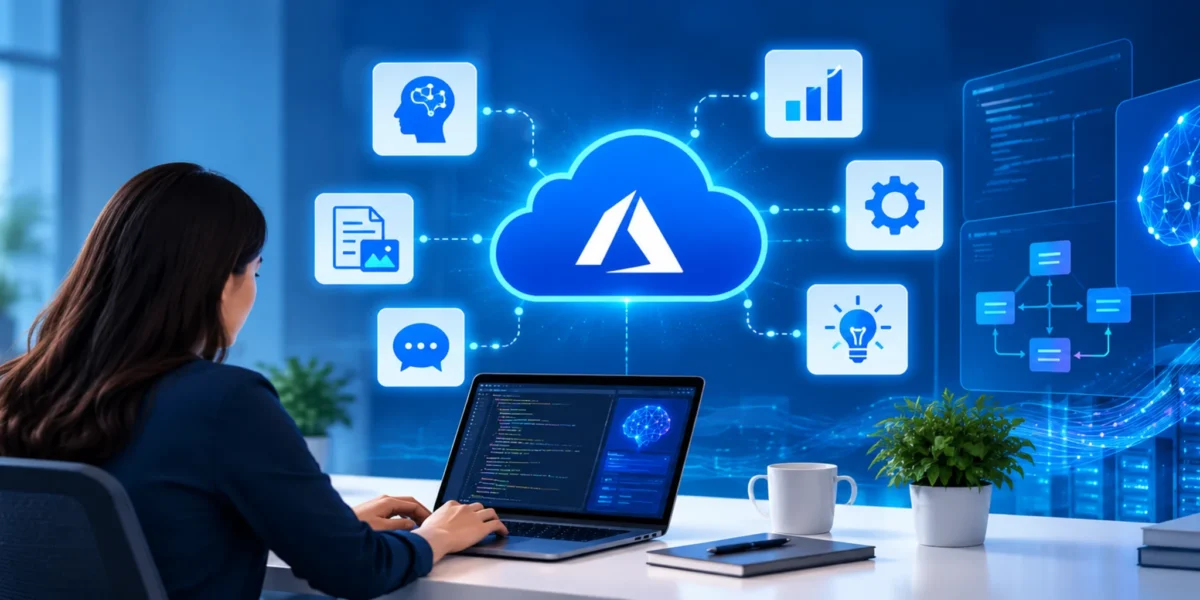
Microsoft Azure offers IoT and cloud capabilities that can support connected-device and data workflows. A typical connected energy environment can bring together:
Connected Assets → IoT Devices → Data Platform → Analytics → Operational Decisions
The specific architecture depends on the organization’s existing systems, device environment, data requirements, security considerations, and operational objectives.
Rather than treating IoT as an isolated technology layer, energy organizations can integrate connected data with their broader cloud, analytics, and operational environments.
Challenges of Implementing IoT in Energy
While IoT creates significant opportunities, energy organizations also need to address several implementation challenges.
Data Privacy and Cybersecurity
Connecting large numbers of devices and operational systems increases the importance of security throughout the technology environment.
Organizations need appropriate controls for devices, networks, data, identities, and system access.
Device Interoperability
Energy environments can contain equipment and devices from different manufacturers and technology generations.
Integrating these systems requires appropriate communication methods, interfaces, and data models.
Scalability
Energy organizations may need to manage large numbers of connected devices across geographically distributed assets. The underlying architecture therefore needs to support device growth, data volumes, and operational requirements.
Legacy Infrastructure
Existing energy infrastructure may include older systems that were not designed for modern connected-data environments. Integration with these systems can therefore become an important part of an IoT implementation.
Regulatory and Operational Requirements
Energy organizations operate within regulatory and operational frameworks that need to be considered when collecting, processing, and using operational data.
Emerging Trends in IoT for Energy
The role of IoT is expanding as connected infrastructure becomes more closely integrated with AI, cloud, analytics, and automation.
AI and Machine Learning
AI and machine learning can analyze IoT-generated data to identify patterns, detect anomalies, support forecasting, and improve operational decision-making.
Edge Computing
Edge computing allows selected data processing to take place closer to connected assets, which can be useful where latency, connectivity, or local processing requirements matter.
Digital Twins
Digital twins can provide digital representations of physical assets or systems, helping organizations analyze operational behavior and evaluate scenarios.
Connected Renewable Energy
As renewable energy portfolios expand, IoT can provide the monitoring and operational data required to manage distributed assets more effectively.
Intelligent Automation
The combination of IoT, AI, and workflow automation can move energy operations beyond monitoring toward more proactive responses and decision support.
Building Smarter Energy Operations with IoT
IoT is becoming an important foundation for connected energy operations.
From smart metering and asset monitoring to renewable energy management, predictive maintenance, and demand response, connected technologies can help energy organizations gain greater visibility into their operations.
However, successful IoT implementation is not simply about connecting more devices. The greater opportunity lies in connecting assets, data, systems, and operational decisions around clearly defined business objectives. For energy organizations, this can create a foundation for more connected, proactive, and data-driven operations.
Explore how Infysion can help build connected energy and Industrial IoT solutions for smarter operations.