













Water utilities need better ways to monitor consumption, reduce water loss, manage infrastructure, and provide accurate usage information.
Traditional meter readings can make this difficult because they provide limited visibility between readings and often depend on manual collection. Smart water metering with IoT changes this by connecting meters, sensors, communication networks, cloud platforms, and analytics. The result is more frequent data, better visibility, and faster identification of potential issues.
What Is Smart Water Metering?
Smart water metering uses connected meters and digital technologies to automatically capture and transmit water consumption information.
An IoT-enabled system can combine:
- Smart water meters
- Flow and pressure sensors
- Communication modules
- Gateways
- Cloud and data platforms
- Analytics and dashboards
- Customer applications
Instead of relying only on periodic manual readings, utilities can gain more frequent visibility into consumption and network conditions. This can support leak detection, demand analysis, billing, and asset management.
5 Key IoT Use Cases in Water Metering
Real-Time Consumption Monitoring
Connected meters can provide more frequent information about water consumption across individual customers, zones, or distribution areas.
Utilities can analyze usage patterns, identify unusual activity, and better understand demand. Customers can also gain greater visibility into their own consumption.
Leak Detection
Leaks can be difficult to identify through periodic readings alone. IoT-enabled meters and sensors can detect unusual consumption, flow, or pressure patterns that may indicate a potential leak.
A typical workflow is:
- Meter Data
- Anomaly Detection
- Potential Leak
- Alert
- Investigation
This helps utilities prioritize areas for investigation and can also support customer alerts.
Automated Billing
Smart meters can automatically transmit consumption information to utility systems, reducing dependence on manual readings and estimated usage.
- More accurate usage records
- Faster access to consumption data
- More efficient billing processes
This can support more accurate usage records, faster access to consumption data, and more efficient billing processes.
Predictive Maintenance
Connected meter and infrastructure data can provide signals about equipment and network conditions. By analyzing historical and real-time information, utilities can identify patterns that may indicate potential issues with meters, valves, pumps, or other infrastructure.
Pressure, Flow and Infrastructure Monitoring
Connected sensors can provide greater visibility into pressure and flow across distribution networks.
This information can help investigate potential leaks, pressure abnormalities, distribution issues, equipment conditions, and changes in network demand. Connected infrastructure can also support remote monitoring and, where appropriate, remote control of selected equipment such as valves.
What Are the Benefits for Utilities?
When smart metering is connected to the right systems and workflows, utilities can achieve:
- Less manual work through remote meter data collection
- Earlier leak detection through more frequent consumption information
- Better water conservation through improved visibility into usage and losses
- More accurate billing with recorded consumption data
- Better demand visibility across customers and distribution zones
- More proactive asset management through connected equipment data
hese benefits make smart metering part of a broader digital utility strategy rather than simply a replacement for traditional meters.
How Azure IoT Can Support Smart Water Metering
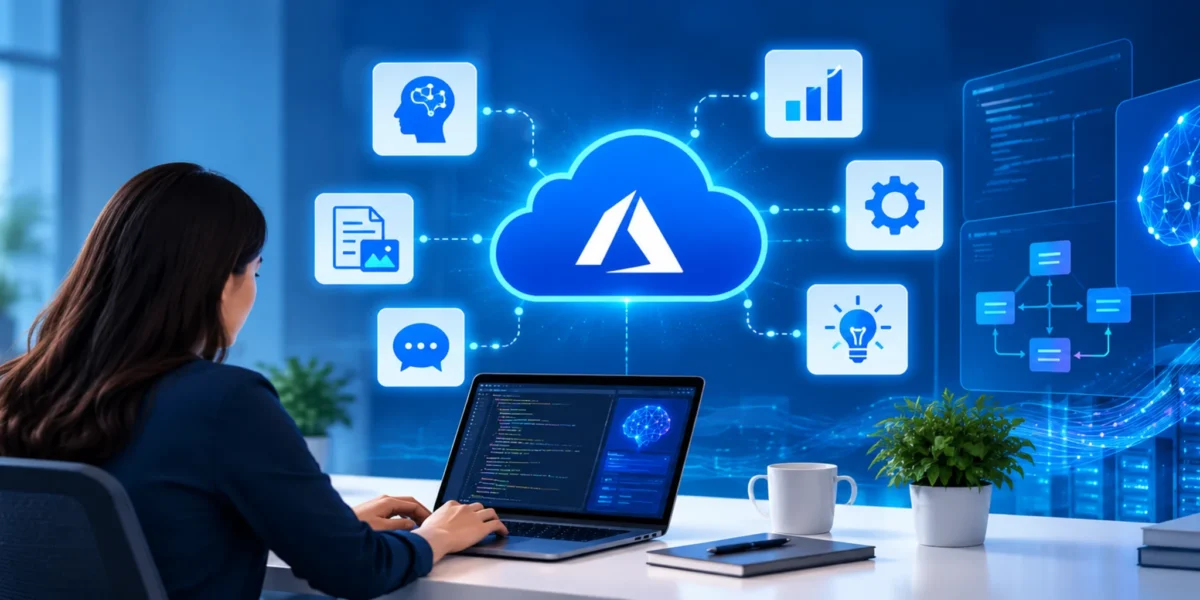
Cloud and IoT platforms provide the infrastructure needed to manage connected devices and process the data they generate. An Azure-based architecture can support capabilities such as device connectivity, data processing, storage, analytics, digital models, and dashboards.
A typical flow could look like:
Azure-based architecture can support
- Smart Meters & Sensors
- Connectivity
- IoT Platform
- Data & Analytics
- Utility Applications
he exact architecture should depend on the utility’s existing systems, device environment, data requirements, and security needs.
Challenges to Consider
Smart water metering also requires careful planning.
What’s Next for Smart Water Metering?
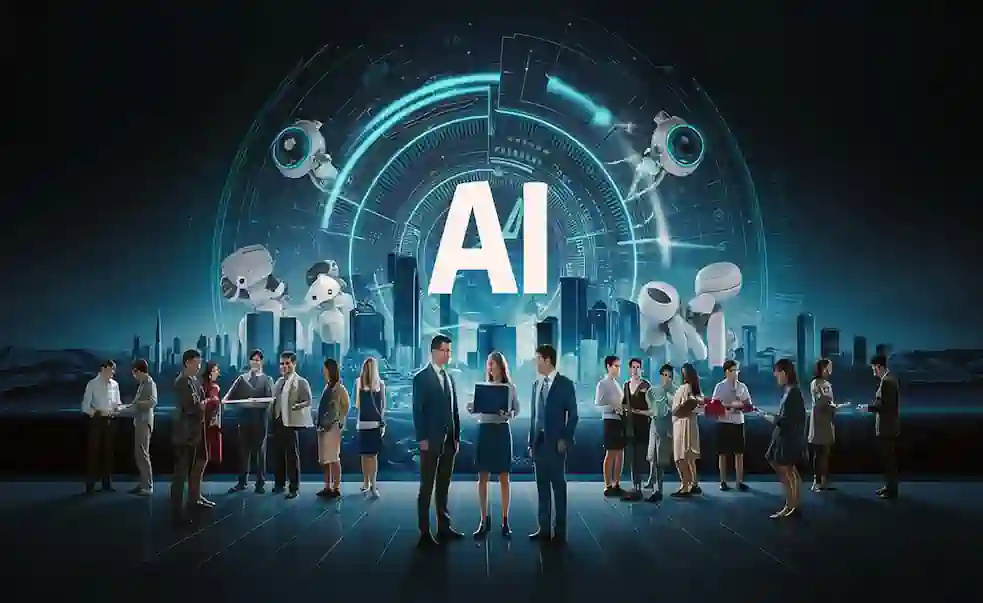
The next stage of smart water management will increasingly combine IoT with AI, edge computing, digital twins, and advanced connectivity.
Together, these technologies can move utilities from simply monitoring water consumption toward more proactive and intelligent operations.
From Smart Meters to Smarter Water Operations
Smart water metering is more than automated meter reading. When meters, infrastructure, data, analytics, and operational workflows are connected, utilities can make better use of information across the water network.
The opportunity is to move from periodic visibility to continuous insight, earlier intervention, and more informed water management.
Build Smarter Water Operations With Infysion
Infysion helps organizations connect IoT devices, operational data, cloud platforms, analytics, and digital workflows to support smarter utility operations. Explore how Infysion can help build connected water and Industrial IoT solutions for smarter operations.
FAQs
What is smart water metering?
Smart water metering uses connected meters and digital technologies to automatically collect and transmit water consumption information.
How does IoT help detect water leaks?
IoT-enabled meters and sensors can identify unusual consumption, flow, or pressure patterns that may indicate a potential leak.
What are the benefits of smart water meters?
Key benefits include reduced manual work, improved leak detection, better consumption visibility, more accurate billing, and proactive asset management.
Can smart water meters integrate with existing utility systems?
Yes. Smart metering can be integrated with systems such as billing, GIS, customer information, asset management, and operational platforms.
How can AI improve smart water management?
AI can analyze large volumes of water and infrastructure data to identify patterns, detect anomalies, and support better operational decisions.