




























- Aging infrastructure remains the most persistent challenge for utilities, leading to frequent outages, inefficiencies, and rising operational costs that demand urgent digital transformation.
- Rising customer expectations for real-time energy data, predictive billing, and faster support require modern energy management platforms backed by IoT-enabled smart meters.
- Increasingly strict environmental regulations push utilities to integrate renewable energy sources and adopt analytics tools that help meet sustainability and carbon reduction targets.
- The expansion of smart grids and IoT devices has significantly widened the cybersecurity attack surface, making robust encryption, multi-factor authentication, and proactive monitoring essential.
- Operational inefficiencies in maintenance, grid management, and resource scheduling can be addressed through data-driven decision-making and predictive analytics tailored to utility workflows.
The challenges facing modern utilities are becoming increasingly complex. Modern utility companies are managing increasingly complex infrastructure, rising customer expectations, stricter environmental requirements, and growing cybersecurity risks. At the same time, utilities are expected to improve reliability while making better use of increasingly connected operational data.
From aging infrastructure and grid modernization to smart metering, sustainability, and operational efficiency, utilities need greater visibility across their assets and systems. Connected technologies such as IoT, real-time monitoring, data analytics, and predictive maintenance can help utilities move from reactive operations toward more proactive, data-driven decision-making.
In this blog, we explore five major challenges facing modern utility companies and how digital and connected technologies can help address them.
 Aging Infrastructure and the Need for Modernization
The Problem:
One of the most persistent challenges facing utility companies is aging infrastructure. Many utilities continue to rely on legacy systems and equipment that can be costly to maintain, difficult to integrate, and more vulnerable to failures. This can contribute to service interruptions, inefficient resource management, and higher operational costs.
As utility networks become more distributed and complex, operators also need better visibility into the condition and performance of critical assets. Without timely operational data, identifying potential issues and responding before they affect service can become more difficult.
How to Overcome It:
Modernizing utility infrastructure requires more than replacing legacy systems. Utilities need to connect assets, systems, and operational data to create greater visibility across their environments.
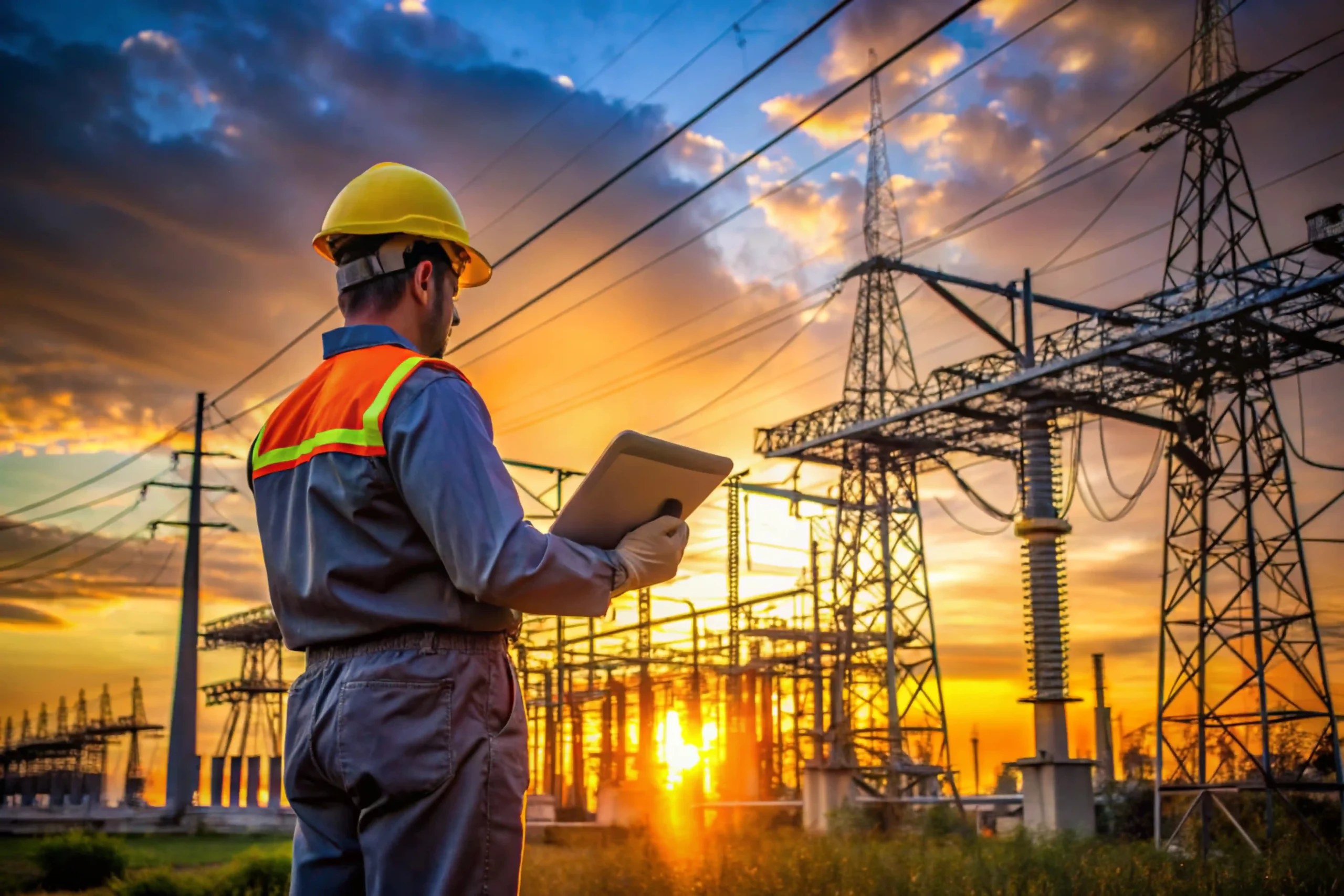
IoT-enabled sensors, connected equipment, and real-time monitoring can help utilities collect operational data from infrastructure and assets. When this data is combined with analytics, utility teams can gain better insight into asset performance, identify developing issues, and make more informed maintenance decisions.
For example, connected monitoring across grid infrastructure can provide utilities with more timely information about equipment conditions and operational performance. This can support predictive maintenance by helping teams identify potential issues earlier and prioritize maintenance before problems result in costly downtime or service disruptions.
Learn more about Infysion’s Industrial IoT Consulting Services
Rising Customer Expectations and the Demand for Reliability
The Problem:
Today’s customers expect a higher level of service, including fewer interruptions, greater transparency, and faster responses when issues arise. Utility customers increasingly want access to information about their energy usage, billing, and consumption patterns so they can make better decisions about how they use resources.
For utility providers, meeting these expectations can be challenging when legacy systems cannot easily support real-time data sharing across meters, customer platforms, and operational systems.
How to Overcome It:
Connected technologies can help utilities improve visibility while creating more responsive customer experiences. Smart meters and other connected devices can collect timely consumption data and make it available to utility systems for monitoring, analysis, and service management.
IoT-enabled smart meters can provide utilities with more timely visibility into energy consumption while creating a connected data layer between customers, meters, and utility systems. When integrated with energy management and analytics platforms, this data can support more accurate usage tracking, forecasting, billing processes, and customer service.
For customers, better access to consumption information can make it easier to understand usage patterns, identify opportunities to manage consumption, and respond to changing energy needs. For utilities, connected meter data can support improved operational visibility and more informed decision-making.
Explore Infysion’s Utilities solutions.
Regulatory Compliance and Environmental Goals
The Problem:
As regulations around energy production and consumption become stricter, utility companies are under increasing pressure to meet environmental requirements while maintaining reliable services. Utilities are also managing the transition toward renewable energy sources and more distributed energy infrastructure.
Meeting these requirements can be difficult without accurate and timely information about energy consumption, infrastructure performance, and operational conditions.
How to Overcome It:
Meeting environmental and regulatory requirements increasingly depends on having accurate, timely operational data. Connected monitoring systems can help utilities track energy consumption, asset performance, and operational conditions across distributed infrastructure.
When combined with analytics, this data can help utilities identify opportunities to improve efficiency and support the integration of renewable energy sources such as solar and wind. Better visibility can also help utility teams understand changing demand patterns and make more informed operational decisions.
Demand response programs provide another opportunity for utilities to use connected data. By understanding consumption patterns and communicating with connected systems, utilities can better manage demand during peak periods while supporting grid reliability and broader sustainability objectives.
Explore Infysion’s Energy Technology Solutions
Cybersecurity and the Growing Threat of Cyber Attacks
The Problem:
As utilities connect more meters, sensors, operational systems, and other infrastructure, the number of connected endpoints that need to be managed also increases. This creates additional considerations around protecting devices, networks, operational data, and critical systems.
Cybersecurity is particularly important for utilities because electricity, water, gas, and other utility services support essential infrastructure. A disruption to critical systems can affect both operational continuity and customers.
How to Overcome It:
Cybersecurity needs to be considered alongside utility modernization and the adoption of connected technologies. As utilities introduce or expand IoT-enabled systems, they should evaluate areas such as access controls, device security, network protection, data security, and system monitoring.
A connected utility environment should also be designed with clear visibility into devices and systems. Monitoring connected infrastructure can help teams identify unusual activity and respond to potential issues more effectively.
Rather than treating connectivity and security as separate initiatives, utilities can incorporate security considerations into the design and management of their digital and connected environments.
See how Infysion’s utility technology solutions support connected utility operations.
Operational Efficiency and Cost Management
The Problem:
As utility companies work to meet growing demand and regulatory requirements, operational inefficiencies can increase costs across areas such as maintenance, infrastructure management, resource allocation, and customer service.
The challenge becomes greater as utility environments become more complex. Teams need to understand what is happening across assets and operations while managing increasing volumes of data and making decisions quickly.
How to Overcome It:
Improving operational efficiency requires utilities to understand what is happening across assets, infrastructure, and energy operations in near real time. Connected sensors, monitoring systems, and operational data can provide visibility into performance, while analytics can help teams identify inefficiencies and prioritize maintenance or operational actions.
By adopting data-driven decision-making, utilities can more effectively manage resources, schedule maintenance, and optimize energy consumption. Predictive analytics can also help identify potential issues before they result in costly downtime or failures.
This creates a progression from connected assets to real-time visibility, data-driven insights, and more proactive utility operations.
When operational data from previously disconnected systems is brought together, utility teams can gain a more complete view of infrastructure performance and use that information to support maintenance, planning, and operational decisions.
The challenges facing modern utilities are interconnected
The challenges facing utilities are interconnected. Aging infrastructure creates a need for better asset visibility, rising customer expectations increase the demand for timely information, and renewable integration requires utilities to manage increasingly distributed and dynamic energy resources.
Connected technologies can provide the foundation for addressing these challenges. IoT-enabled sensors, smart meters, connected infrastructure, and real-time monitoring can bring operational data together. Analytics can then turn that data into insights that support maintenance, energy management, forecasting, and operational decision-making.
This creates a progression from:
Connected Assets → Real-Time Data → Analytics → Predictive Insights → Better Utility Operations
By building this connected foundation, utilities can move beyond reactive responses and develop more proactive approaches to asset management, maintenance, customer service, and operational planning.
Moving Toward More Connected Utility Operations
Modernizing utility operations is not simply about replacing legacy systems. Utilities need better visibility across assets, infrastructure, customers, and operational data so teams can make faster and more informed decisions.
IoT-enabled monitoring, smart metering, analytics, predictive maintenance, and connected operational systems can help utilities build this foundation. By connecting previously isolated data and using it to understand asset and operational performance, utilities can work toward more reliable, efficient, and proactive operations.
Infysion helps organizations explore connected technology and digital solutions for energy and utility environments. From Industrial IoT and connected operations to data-driven solutions, our approach focuses on helping organizations improve operational visibility and make better use of their technology and data.
Explore Infysion’s Utilities solutions or Industrial IoT Consulting Services to learn more.