





























- Cloud computing enables utilities to store massive operational data, access it in real time from anywhere, and scale resources dynamically — eliminating the constraints of on-premises infrastructure.
- Cloud-based platforms improve operational efficiency by centralizing data, automating key functions, and enabling faster incident response and load balancing across the grid.
- Remote monitoring capabilities allow 24/7 oversight of critical infrastructure, predictive maintenance, and mobile access for field workers — reducing on-site visits and improving service reliability.
- Utilities benefit from significant cost savings by shifting from capital expenditure on hardware to an on-demand, pay-as-you-go cloud model that scales with energy demand.
- Cloud platforms serve as the backbone for digital transformation, enabling seamless integration of IoT, AI, and machine learning to drive smarter energy forecasting, regulatory compliance, and customer engagement.
The utility industry is undergoing digital transformation, and cloud-based solutions for utilities are playing an increasingly important role in this change. As utility companies strive for greater efficiency, flexibility, and scalability, cloud technology can help streamline operations, improve data management, support remote monitoring, and enhance customer service.
Utilities generate and manage large volumes of information from smart meters, sensor networks, operational systems, and customer interactions. Cloud technology provides a flexible environment for storing, managing, and accessing this data while supporting the integration of technologies such as IoT, artificial intelligence, and analytics.
What Is Cloud Computing and How Does It Apply to Utilities?
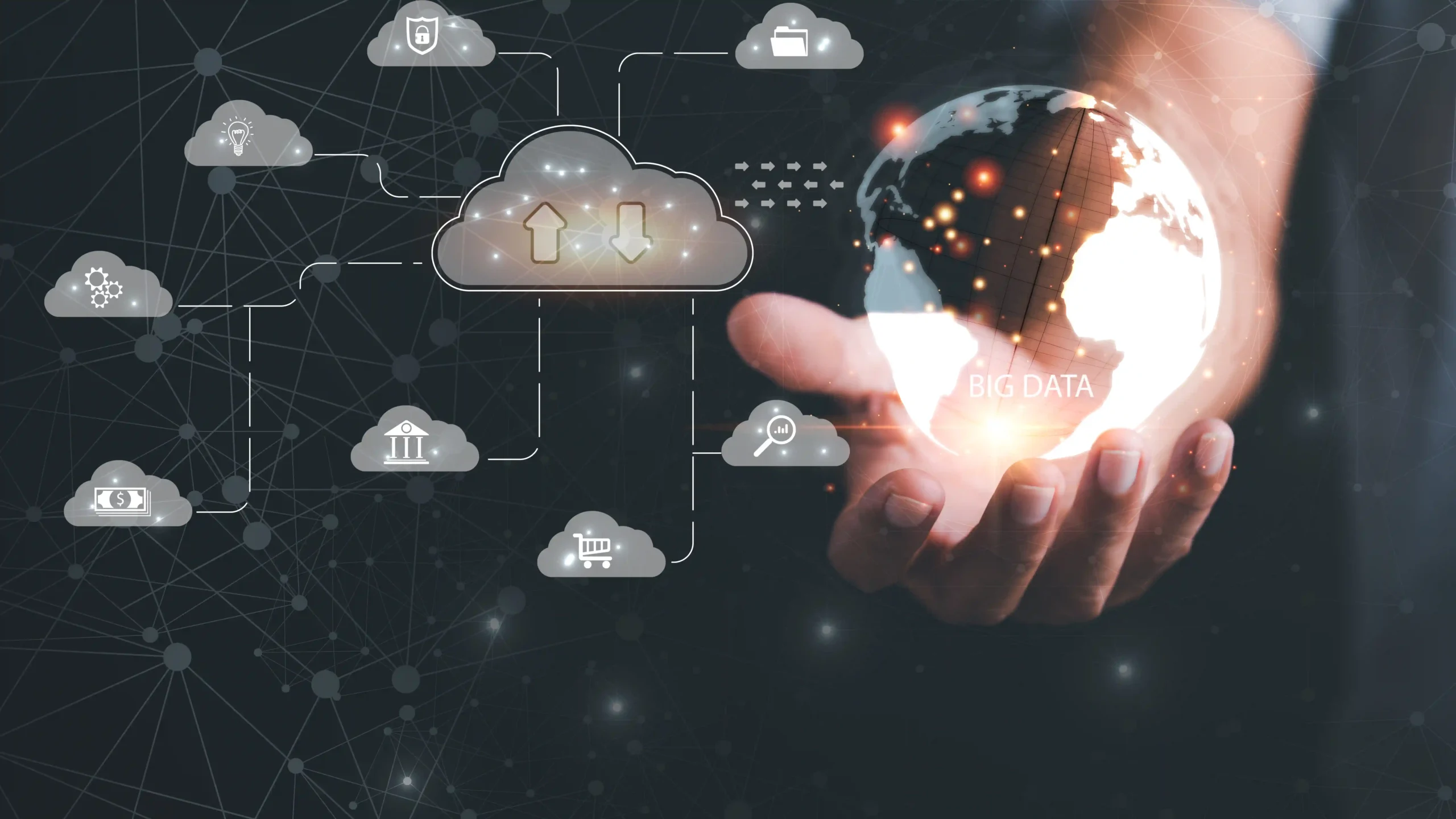
Cloud computing refers to the use of remote servers hosted on the internet to store, manage, and process data rather than relying entirely on local servers or personal computers.
For utilities, cloud technology can provide a scalable foundation for managing operational and customer data. Cloud-based solutions for utilities can help organizations:
- Store large volumes of operational data without relying entirely on on-premises infrastructure
- Access data from different locations to support faster decision-making and remote management
- Scale computing and storage resources based on changing requirements
- Integrate data from connected systems, devices, and applications
By adopting cloud technology, utilities can create a more flexible technology environment while improving access to data and supporting operational efficiency. to the cloud, utilities can achieve greater flexibility, reduce operational costs, and improve their overall business agility.
How Cloud-Based Solutions Are Transforming Utility Operations
Utilities are managing increasingly complex infrastructure and growing volumes of data. Cloud-based solutions for utilities can support this environment by improving how information is stored, accessed, shared, and analyzed.
Here are some of the key ways cloud technology can support modern utility operations.
Enhanced Data Storage and Management
Utilities generate significant amounts of data from smart meters, sensor networks, operational systems, and customer interactions. Traditional on-premises infrastructure can make it more difficult to manage growing data volumes and provide information to teams when they need it.
Cloud technology provides a flexible environment for managing this information. Utilities can use cloud platforms to:
- Store operational data
- Access historical information for trend analysis and forecasting
- Share data across departments and relevant external partners
- Support data backup and security requirements
Centralizing access to operational information can help utility teams make better use of data for planning, monitoring, and decision-making.
Improved Operational Efficiency and Agility
Cloud computing can help utilities streamline processes by making data and applications more accessible across the organization. When relevant information is available to the right teams, utilities can respond more effectively to changing operational conditions.
Cloud-based solutions for utilities can support:
- Real-time access to operational information
- Faster analysis for operational adjustments
- Improved visibility into energy distribution
- Faster response to outages and other operational issues
Infysion Technologies helps utilities integrate cloud-based solutions that support data flow across systems, making it easier to identify operational inefficiencies, adjust energy consumption, and improve service delivery.
Remote Monitoring and Management
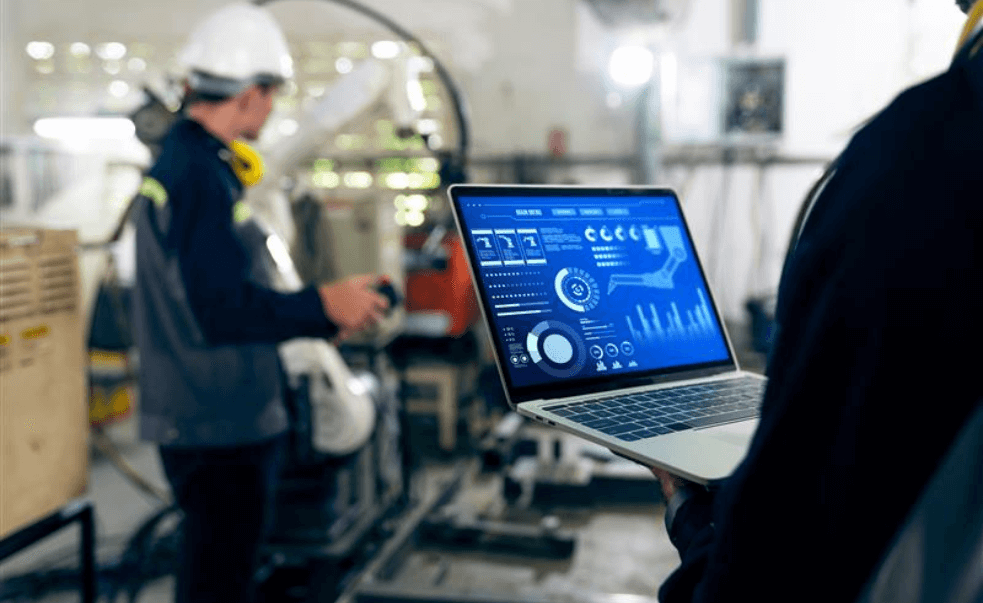
Remote monitoring is an important capability for utility companies managing distributed infrastructure. Whether it involves monitoring smart grids, energy consumption, or grid stability, cloud-connected platforms can provide access to operational information from different locations.
Cloud technology can support:
- Monitoring of critical infrastructure and energy systems
- Remote troubleshooting and access to system information
- Predictive maintenance when connected data and analytics support it
- Faster incident response through access to relevant diagnostics
- Mobile access for field teams
This can help utilities improve operational responsiveness while reducing dependence on manual access to information at individual locations.
Cost Savings and Scalability
One reason utilities consider cloud adoption is the flexibility it can provide compared with maintaining entirely on-premises infrastructure.
By using cloud infrastructure, utilities can reduce their dependence on physical servers and align computing and storage resources more closely with changing requirements.
Potential benefits include:
- Reduced dependence on physical IT infrastructure
- Lower infrastructure maintenance requirements
- Flexible allocation of computing and storage resources
- Ability to scale resources as operational requirements change
The specific cost impact will depend on the utility’s existing infrastructure, cloud architecture, usage patterns, and implementation approach.
The key advantage is the ability to create a technology environment that can adapt as utility data, applications, and operational requirements grow.
Facilitating Digital Transformation in Utilities
Cloud technology can also provide an enabling foundation for broader utility digital transformation.
Utilities can integrate cloud environments with technologies such as:
- IoT for connected asset and smart grid applications
- Artificial Intelligence for predictive analytics
- Machine Learning for energy forecasting
- Data Analytics for operational insights
Cloud-based solutions for utilities can help bring these technologies together by providing infrastructure for data storage, processing, and application integration.
The objective is not simply to move existing systems to the cloud. It is to create a technology environment that allows utilities to use connected data and digital capabilities to improve operational visibility and decision-making.
Why Utilities Need Cloud-Based Solutions for Future Growth
Utilities are facing changing energy requirements, increasing consumer expectations, renewable energy integration, and growing volumes of operational data.
Cloud-based solutions for utilities can help address these requirements by providing a flexible foundation for digital operations.
Scalability
Cloud resources can be scaled based on changing data, application, and operational requirements.
Innovation
Cloud environments can support the integration of IoT, AI, machine learning, and data analytics.
Cost Flexibility
Utilities can align technology resources with changing requirements instead of relying entirely on fixed physical infrastructure.
Improved Customer Engagement
Access to timely data and insights can help utilities better understand energy consumption and support more informed customer interactions.
Data Management and Reporting
Cloud environments can support the storage, processing, access, and reporting of utility data.
How Cloud and IoT Work Together for Utilities
The value of cloud technology increases when it is connected with operational data and other digital capabilities.
For example, IoT-enabled devices can generate information from connected assets and infrastructure. Cloud platforms can provide an environment for storing and processing that data, while analytics can help turn it into useful operational insights.
This creates a connected flow:
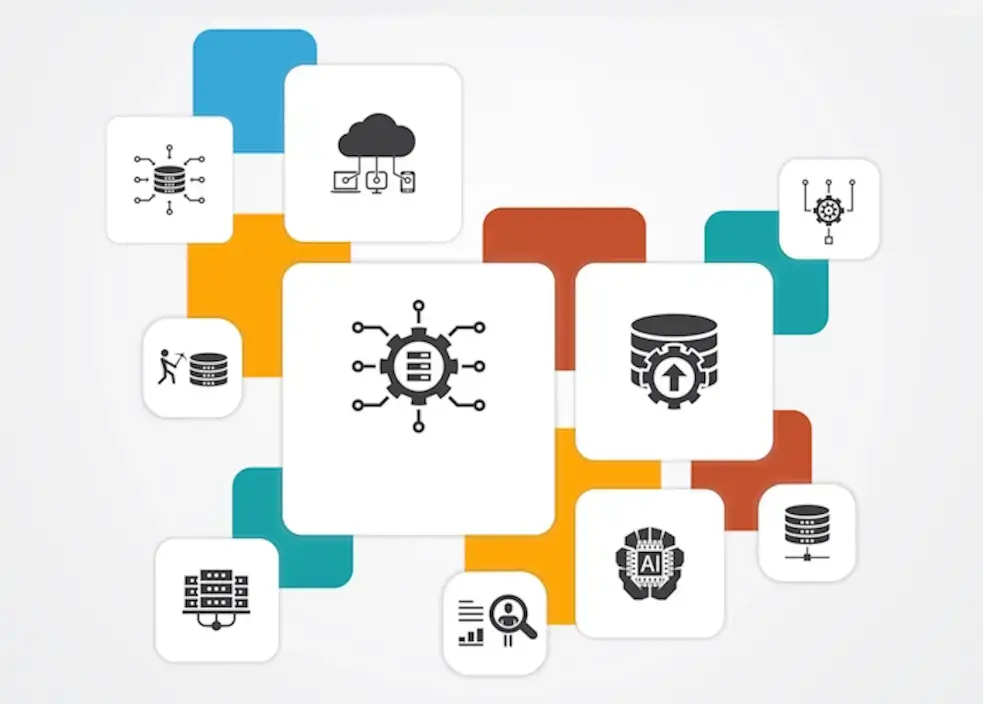
Connected Assets → IoT → Cloud → Data & Analytics → Operational Insights
This combination can support utility use cases such as:
- Smart metering
- Remote monitoring
- Asset and infrastructure monitoring
- Predictive maintenance
- Energy consumption analysis
- Energy forecasting
- Operational reporting
For utilities, this creates a pathway from connected infrastructure to usable operational intelligence.
What Should Utilities Consider Before Adopting Cloud Technology?
Cloud adoption should be considered as part of a broader technology and operational strategy rather than simply an infrastructure migration.
Utilities should evaluate:
Existing Infrastructure
Understand which legacy systems, applications, and operational environments need to remain in place and where modernization is appropriate.
Data Requirements
Identify what data needs to be collected, stored, integrated, analyzed, and accessed.
Security
Evaluate access controls, data protection, network security, and the security requirements of connected systems.
Integration
Determine how cloud platforms will connect with existing operational systems, applications, IoT devices, and data sources.
Scalability
Plan for future growth in connected devices, applications, data volumes, and operational requirements.
Business Outcomes
Define what the organization expects cloud adoption to improve, such as operational visibility, efficiency, scalability, data accessibility, or decision-making.
A clear cloud strategy can help utilities connect technology investments with broader operational objectives.
How Infysion Technologies Can Help Utilities Leverage Cloud Solutions
At Infysion Technologies, we specialize in Cloud Consulting Services and Cloud App Development to help organizations adopt cloud technology aligned with their business and technology requirements.
For utilities, cloud technology can support areas such as operational data management, connected systems, remote monitoring, analytics, and digital transformation.
Infysion’s cloud capabilities can support utilities exploring:
- Cloud strategy and technology adoption
- Cloud application development
- Integration of connected systems
- Data management and analytics environments
- IoT-enabled operational solutions
- Predictive analytics and forecasting applications
Whether a utility is modernizing existing systems or building new digital capabilities, cloud technology can provide a scalable foundation for future initiatives.
The Future of Utility Operations Is More Connected
Cloud-based solutions for utilities are becoming an important part of the digital transformation of the utility industry.
Their value goes beyond data storage or infrastructure flexibility. When cloud technology is combined with IoT, analytics, AI, and connected operational systems, utilities can create better visibility across their operations and make greater use of the data they generate.
The progression can be summarized as:
Connected Assets → Data → Cloud → Analytics → Insights → Better Utility Operations
For utilities, the goal is not simply to move systems to the cloud. It is to create a scalable and connected technology foundation that supports operational efficiency, data-driven decision-making, remote monitoring, and future digital initiatives.
Infysion Technologies can help utilities explore cloud, IoT, data, and digital engineering capabilities as part of their broader technology transformation journey.