




























Most organizations do not struggle to build a data strategy roadmap. They struggle to get anyone to actually follow it. The plan looks solid on paper, then three months in, teams are back to...

AI Summary ✨ Agentic AI marks a structural shift from AI that recommends to AI that plans, decides, executes, and adapts autonomously — making the key enterprise question in 2026 not whether to adopt...


AI Summary ✨ Enterprises choose Microsoft Azure for its strong hybrid cloud capabilities, allowing on-premises systems to coexist with cloud workloads seamlessly. Azure offers enterprise-gr...
AI Summary ✨ Legacy applications create bottlenecks through tightly coupled architectures, long release cycles, and growing technical debt that slows down innovation. Application modernizatio...

AI Summary ✨ .NET MAUI is Microsoft’s next-generation cross-platform framework, evolving from Xamarin.Forms to support Android, iOS, Windows, and macOS from a single C# codebase. A unif...


AI Summary ✨ Aging infrastructure remains the most persistent challenge for utilities, leading to frequent outages, inefficiencies, and rising operational costs that demand urgent digital transformat...

AI Summary ✨ Cloud computing enables utilities to store massive operational data, access it in real time from anywhere, and scale resources dynamically — eliminating the constraints of on-premises in...

AI Summary ✨ Agentic AI workflows convert utilities data into autonomous, action-ready decisions, moving beyond dashboards and alerts toward systems that can act on grid, metering, and outage conditi...

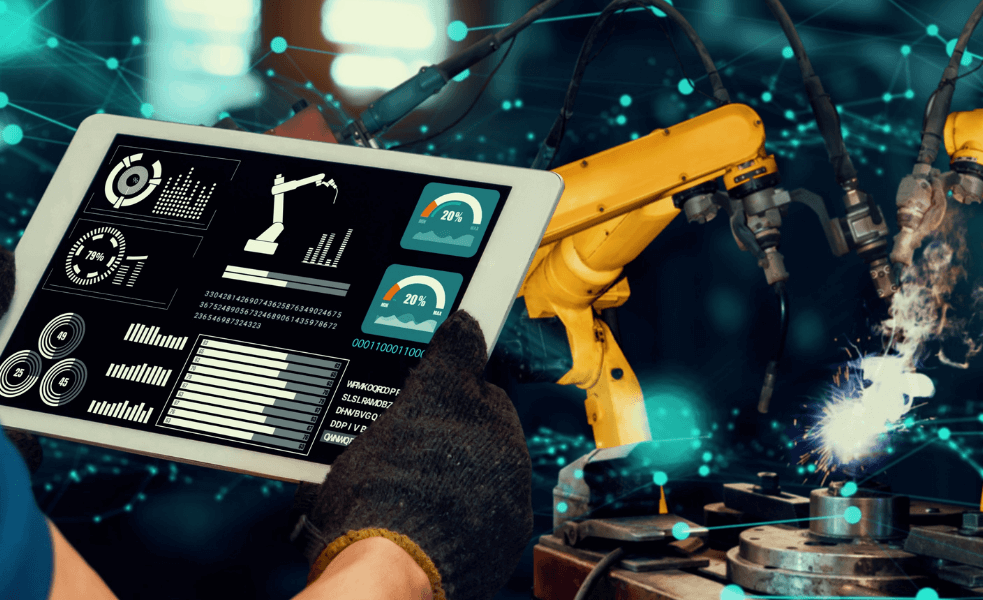
AI Summary ✨ Legacy systems — old on-premise ERPs, paper-based QA, and disconnected machines — create hidden costs including slow decision-making, siloed teams, and inability to integrate with modern...
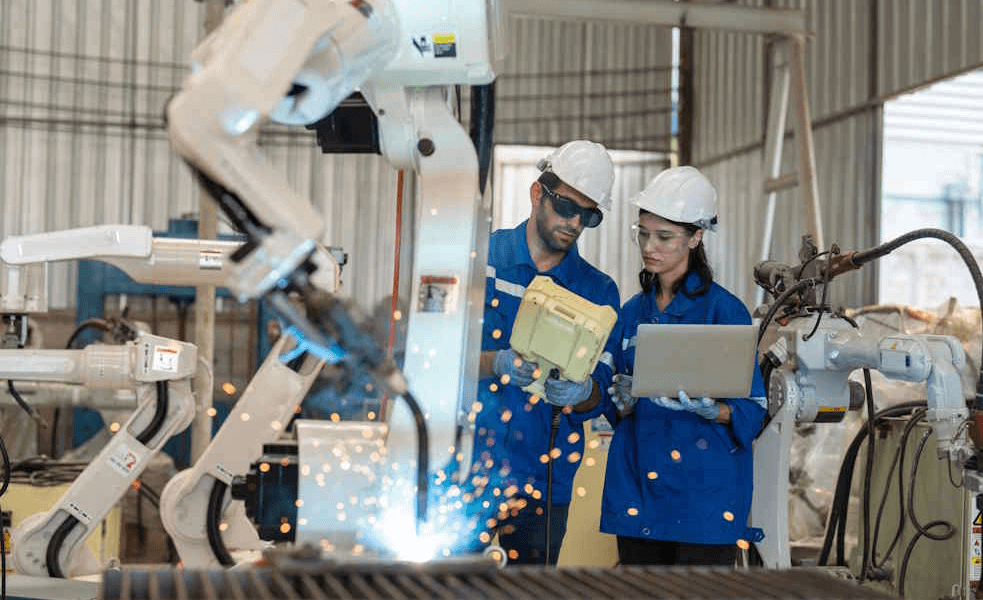
AI Summary ✨ Digital manufacturing is no longer exclusive to large enterprises — SMBs are now adopting it to address real pressures like labor shortages, tighter margins, and supply chain volatility....